I’m off to Thailand

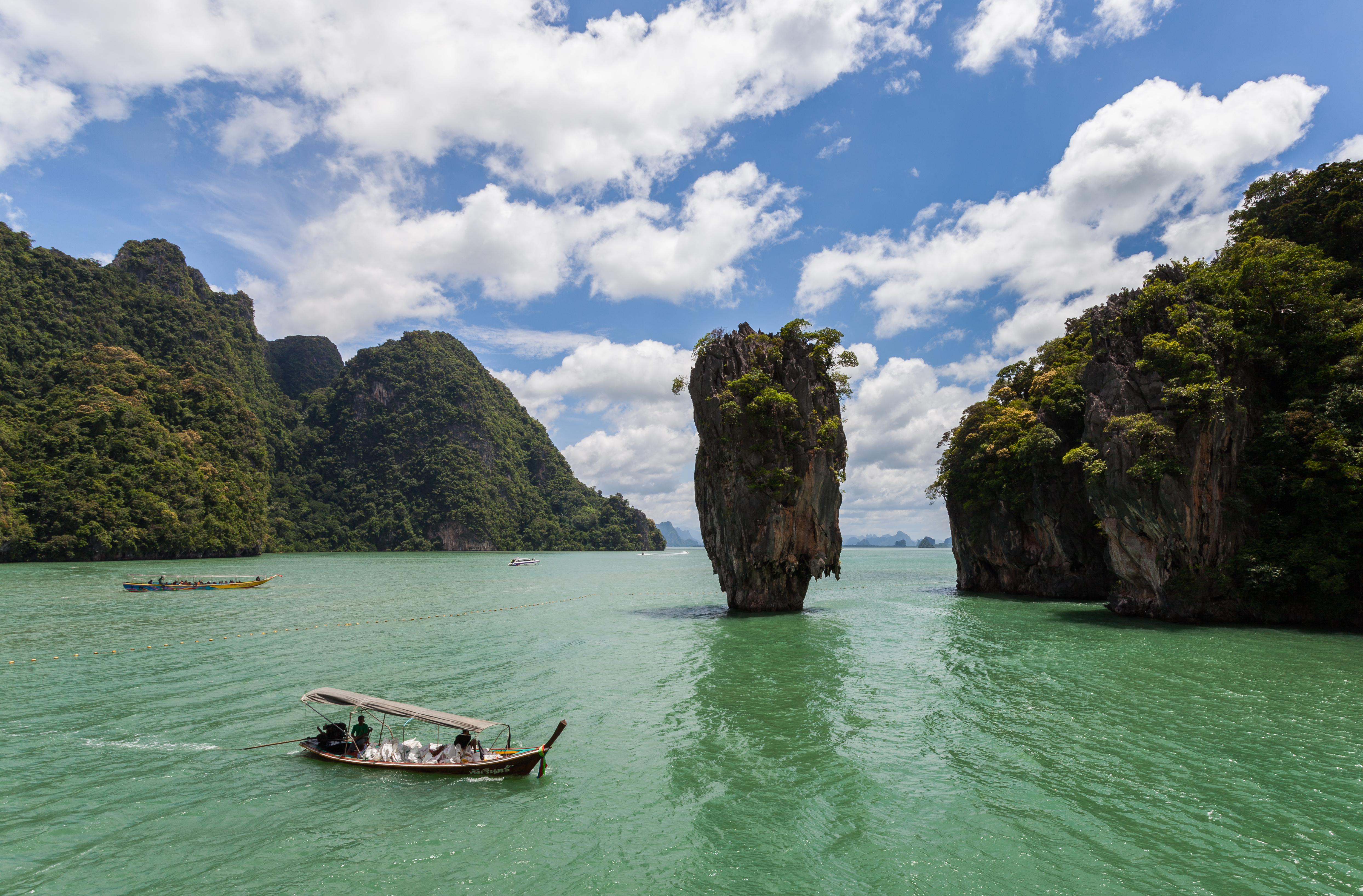
Khao Phing Kan, or James Bond Island, in Phuket recently re-opened after it was closed because it became over-run with tourists.

            By the time you read this, I’ll be in Thailand. I’m here for two weeks.

            One of the biggest questions I am asked (not including lady-boy-related questions) is: “How much money should I set aside for Thailand?”

            Although Thailand is a cheap country, current exchange rates are horrendous. Two years ago, I was getting 50 baht on the pound, a few weeks ago, the exchange rage was 37 baht on the pound. Surely this is the result of Brexit, populism, Trump, or some such idiocy that has thrown the world into chaos at the moment.

            Although Thailand is a cheap destination in Southeast Asia, it is losing the Cheap Charlie title to nearby Laos and Cambodia where they are trying to attract customers with extremely low prices such as three pints of lager for £1.

            Affordability in Thailand depends on many factors:

  • Where you plan to spend most of your time;
  • What kind of hotels you choose;
  • Are you willing to eat in small “mom and pop” restaurants as opposed to big name places?
  • How do you plan to get around Thailand if you are going to more than one location?

            Like anywhere else in the world, Bangkok is the major city and it is more expensive than other touristy, smaller cities. But by world standards, Bangkok is still a bargain.

Hotels: Luxury can be affordable
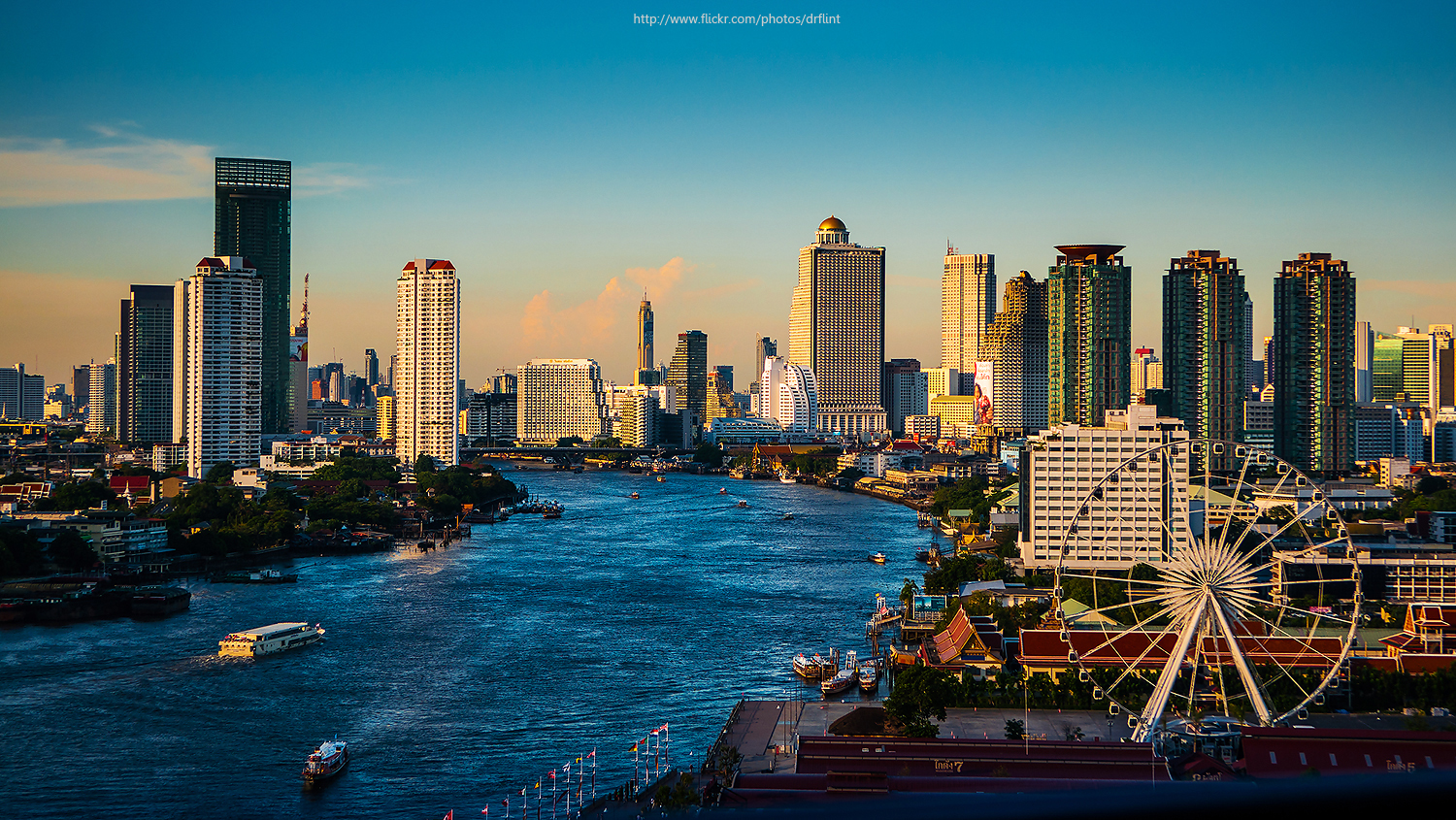
          

Several luxury five-star hotels overlook the Chao Phraya River in Bangkok including the Shangri-La Bangkok. Luxury accommodations are surprisingly affordable in this world class city.

  You can stay in the five-star Shangri-La Bangkok overlooking the Chao Phraya River for about £150 per night. Compare that to London (£650) and Tokyo (£575) and the Shangri-La is a downright bargain.

            But you can find luxury for less in Bangkok. On this trip, I’m staying at the Dream Hotel which is a medium-sized boutique chain with hotels across the U.S., UK, Belgium, Mexico, Qatar, Belize, India, Philippines, and the Maldives. A night in this five-star hotel is a steal at £50 per night breakfast included. And the best part is that it is right in the thick of things around the Sukhumvit Road which tends to be the major destination in Bangkok.

            Outside of Bangkok, you can get by in a cheaper room once it has air conditioning. Because it is always hot and humid in Thailand, you really want a room with air con. These tend to start at about £30 per night. Anything cheaper and they can be suspect with some interesting roommates like bed bugs and roaches.

            For example, I stayed previously in the three-star R Mar Resort in Patong and it was an excellent hotel with a super-king-sized bed, patio, and great pool views away from the hustle of the nearby streets for about £35 per night. Similar property types in other countries will cost you about two to three times this price.

Food paradise
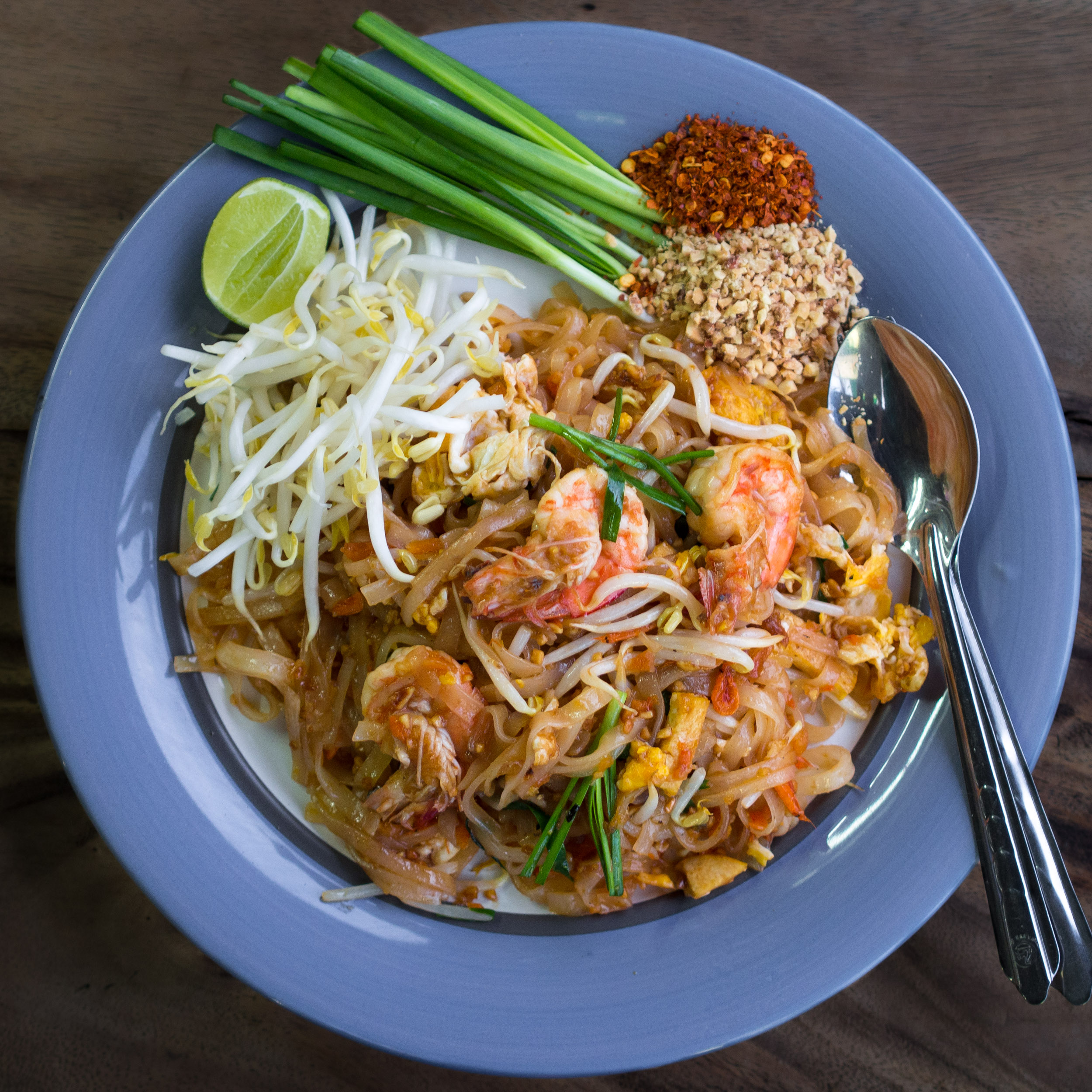
        

Pad Thai is one of the many dishes you can find in all types of restaurants and eateries in Thailand from internationally recognised places to street food vendors.

    The great thing with Asia is you can eat cheaply without having to sacrifice quality or healthy options.

            It is true that they have the big name restaurants from North America and Europe such as Sizzlers, Hooters, Pizza Hut, etc., but they also come with North American and European prices. Besides, did you really travel to other side of the world to eat over-priced European and North American food?

            You can find fantastic little roadside, family-owned restaurants with excellent Thai dishes for incredible prices. For example, a green Thai curry chicken with rice will cost about 50 baht (£1.50). Shopping Centre food courts are also very reasonably priced and unlike the ones here that tend to be mass-produced junk food. Normally, you go to a cashier and pay for a certain amount of tickets, which depends on how hungry you are. Then, you walk around to the different counters and exchange your tickets for what is being cooked. It isn’t unreasonable to pick up three filling dishes for about 100 baht (slightly more than £3). Where in the UK can you have a filling, healthy meal for £3?

            Alcohol varies depending on where and when you drink. In the popular bar districts, you can find cheap alcohol between 5 and 7 p.m. Singha, Chang, and Leo beers are about 60 baht per bottle (£1.75). Later on, there are specials such as buy-one-get-one-half-priced. It is possible to budget less than £20 per day for your food and drink at these prices.

            Another great place for snacks, cold drinks, and even toiletries are the many 7-Eleven and Family Mart shops. These shops will sell pretty much anything you forgot to bring in your amenity kit while you can pick up bottles of water for about £0.20, 500-mL bottles of soft drinks for £0.50, and beers for £1. While they aren’t as good as their Japanese counterparts, Thai 7-Elevens are great for the emergency items. They do have whole meals like the Japanese ones, but not as much variety.

Safety issues in Thailand
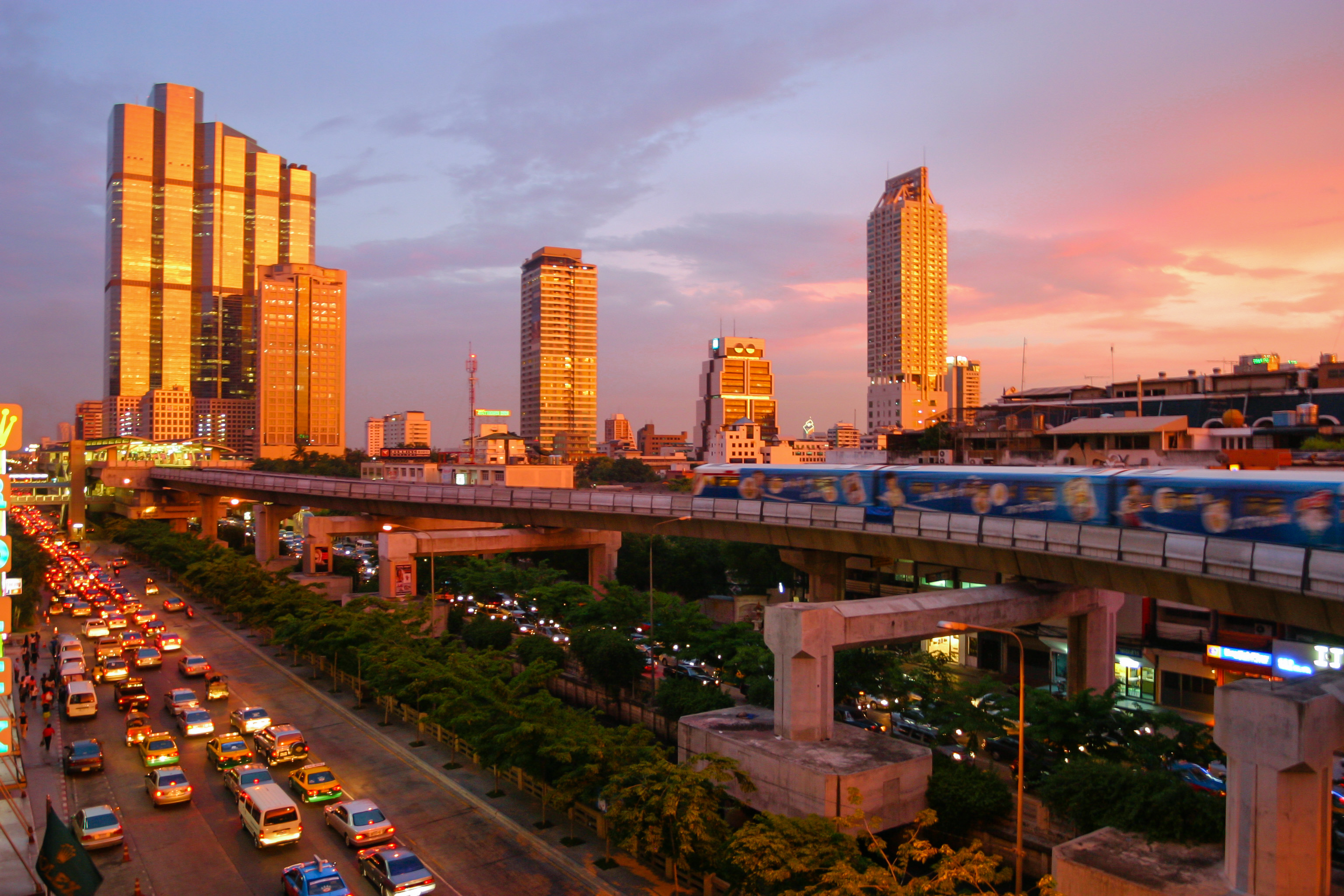
The sunset splashes a golden hue across Sukhumvit Road as the Skytrain makes its way above the busy city streets in Bangkok.

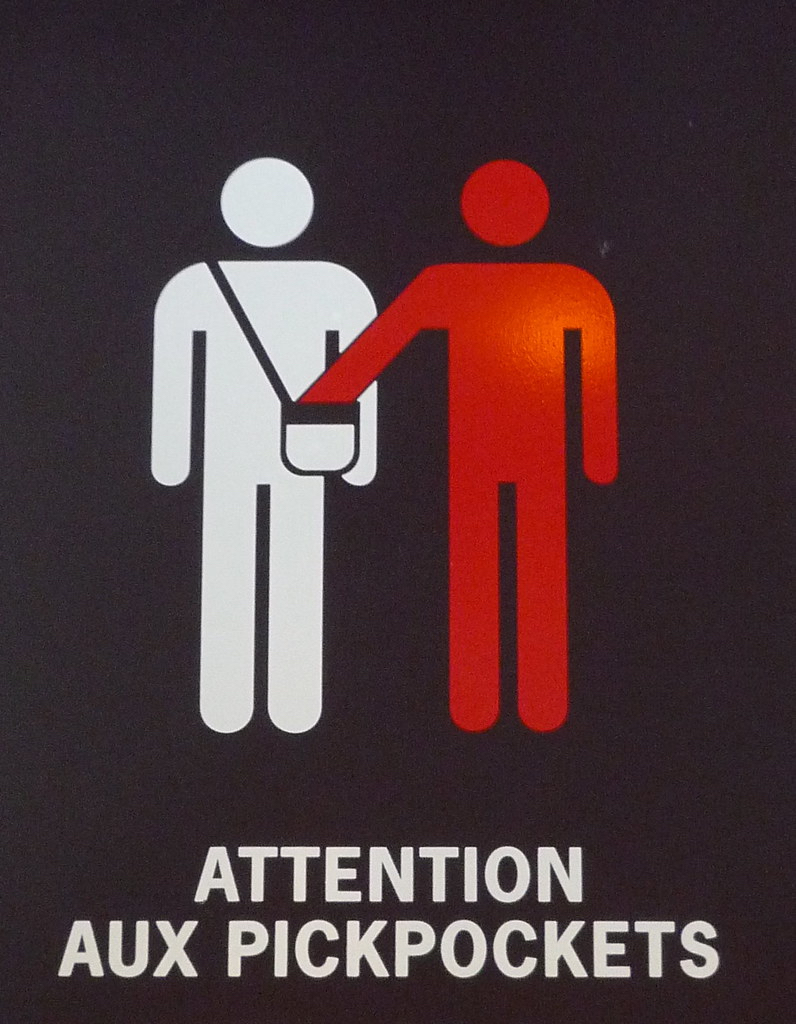
            Thailand for the most part is a very safe country. It does have the usual headaches such as pickpockets and petty thieves. The best way to deal with potential pickpockets is to be remain aware of your surroundings and make use of your hotel room safe.

            Taxi and tuk-tuk scams are rampant. Either use public transit in Bangkok, baht buses in Pattaya, or walk in other places where distances are not too significant. You can arrange for prepaid transfers from the airport which save you hassle rather than money. While a taxi should cost you about 400 baht (£10) from the centre of Bangkok to Suvarnabhumi Airport. But some less ethical drivers will try to take advantage of your tiredness by not turning on the meter and charging you at least double. By using a prepaid taxi, you do pay a couple of hundred baht more, but there is no hassle or danger of a scam.

            Under no circumstances should you play Captain Chivalrous and get involved in any kind of fight between Thai people or Thai people and foreigners. While Thai people are the kindest, warmest, and most welcoming people, if they are feel threatened, they come out of the woodwork to fight and they bring weapons. Be warned. If you see anything, just keep walking.

            If you are in a bar, keep a track of your drinks and their cost. It is easy to do because every time you order a drink, the bar staff puts a bill in your little receipt cup so you can keep track. Some bar staff are not averse to creative accounting methods if you are too drunk to realise what they have done.

Red lights of the cities

            I cannot finish a blog on Thailand without talking about it’s more notorious side. It is sin city and has been that way since the Vietnam War when American soldiers used to go to Thailand for R and R during the war.

            While Thailand still has a reputation for gogo bars and prostitution, it is slowly changing. Pattaya, one of the more notorious destinations in Thailand, is starting to gentrify like Amsterdam but at a slower rate.

            You can’t avoid the red light district because it is where the entertainment district exists. But you can make it very clear that you aren’t looking for “business”. Body language plays a big role in that as does the way you interact with staff in the beer bar. If you are friendly, they will attempt to solicit you. But if you buy a drink and sit at the counter facing the streets, then you are left alone.

            The two groups that do not discriminate are the massage parlours and the infamous lady-boys. They will grab your arm, block your path, and generally harass you, but if you are firm then they go away. They tend to work on the law of averages strategy. If you don’t want their services there are many others who do.

            But don’t be phased by the red light district is part of the landscape. If you are easily offended, then you probably shouldn’t go to Thailand in the first place.

            So it is possible to see Thailand and live quite comfortably on a shoestring budget. Thailand is a wonderful country
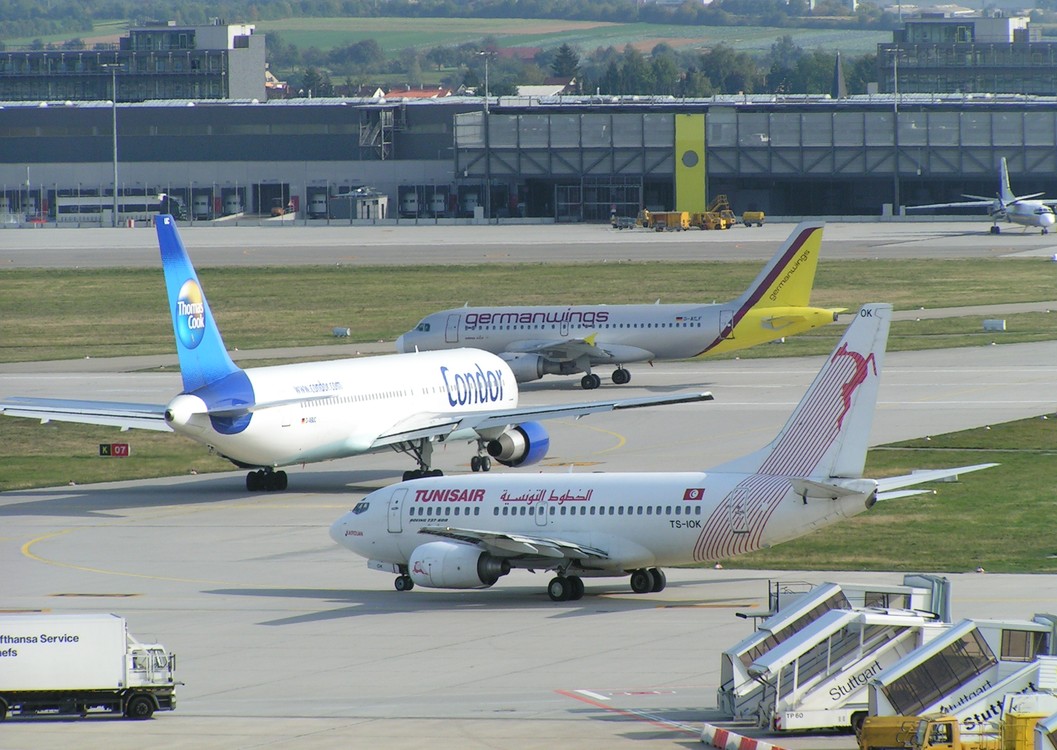
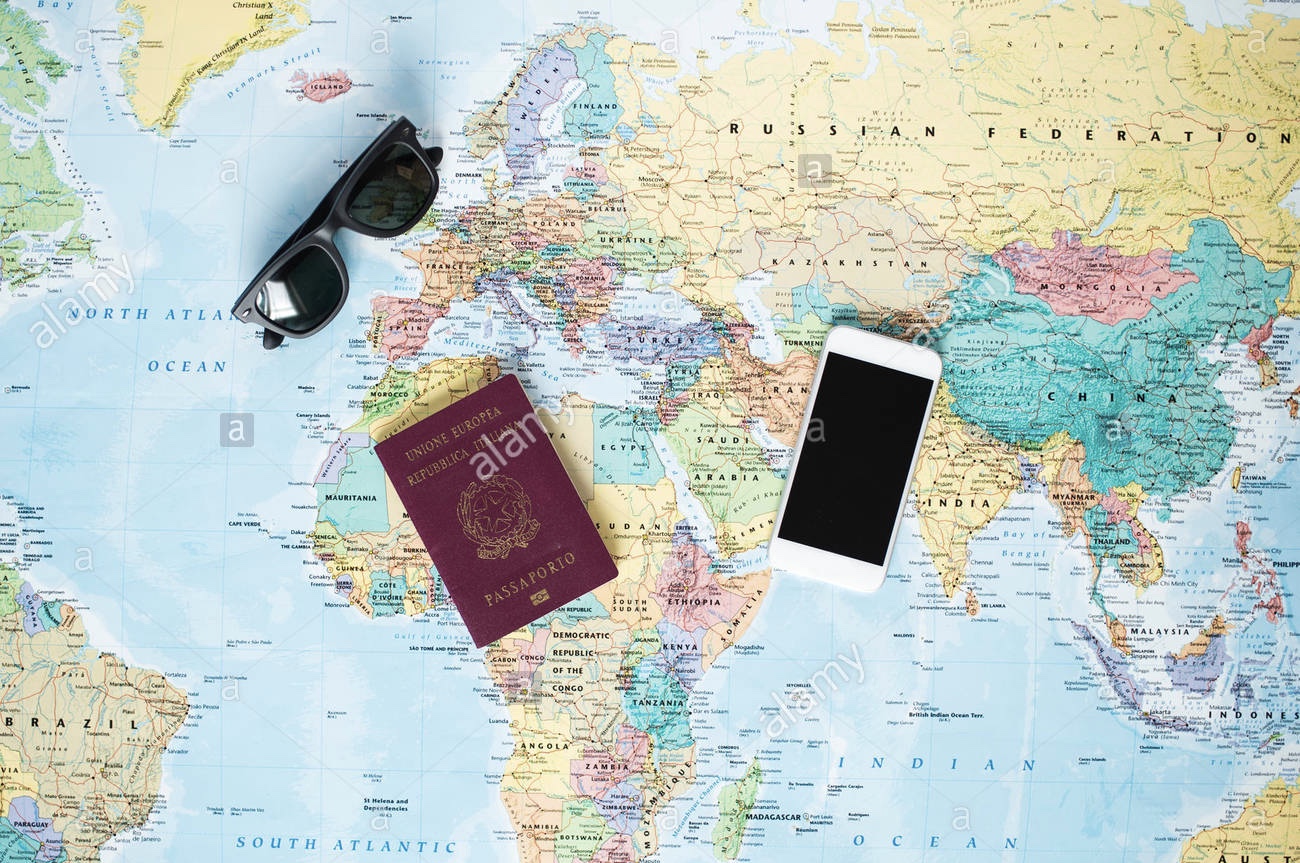
Do aggregators offer better prices than the airlines? That’s up to you to decide

Searching for the best prices for airfares is a personal preference. Go with what you comfortable doing.

            A simple internet search today inundates our browser with offers for similar products. For example, a flight search suddenly fills your social media with advertisements for things like Jack’s Flight Club or Cheap Holidays all promising you unheard-of discounts.

            Are they worth it? I decided to have a try at Jack’s Flight Club which I am sceptical about considering how many positive reviews they seem to get.

            Does it work? Yes and no. It all depends on how you book for fares.

            Jack’s scours the internet looking for fares and then passes them on to you when you sign up for a subscription. You then are instructed how to find those fares which usually seem to be going through an aggregator like Google Flights, Skyscanner, or Kayak and booking the cheapest flights.

            The problem for me with this setup is that I only book flights directly with airlines. There are too many horror stories of someone seeing a great deal only to find out that it was fake because suddenly the offering tour company no longer has that price, suddenly claims foreign exchange has added so much that it is no longer a deal, or doesn’t actually put through the sale properly and by the time the issue is resolved it’s no longer the price.

            Booking directly with the airline means you have problems.

            While I am sure the complaints are the exception rather than the norm, I believe those of you who can find real value and have problems booking with online travel agencies may find deals with aggregators.

            There are no sure answers to the question of where to find guaranteed cheap rates for flights. There are only factors that can help you to find cheap flights:

  • Time of year: Flying to somewhere during their offseason will save you money.
  • Day of the week: The day of the week of your flight influences the cost. The best days of the week to fly are Tuesdays, Wednesdays, and Saturdays. Thursdays tends to be when people who take long weekends travel; Fridays and Mondays are prime days for business travellers, and; Sundays are when people tend to return from holidays.
  • Legacy versus low cost carrier: That’s up to you too. Remember, you get what you pay for so cheapest may not always be best.

My five: Gadgets and devices that are must-need items on your next trip

Here are five items you need for your travels.

            Technology has become an integral part of our lives to the extent that some of us feel extremely inconvenienced if the wifi is out of order or the mobile data system is disconnected for repairs.

            We rely heavily on our gadgets when we go on holiday as aids to help us navigate unfamiliar surroundings, find off-beat places to see, or to find restaurants that come highly recommended.

            In this post, I will explore five must-have items you need for your travel:

  1. Gadgets: If nothing else, your mobile phone can act as your multimedia device as a GPS system, internet, and entertainment. Any of the known brands of mobile phones is fine. There aren’t too many advantages of using, for example an iPhone, over a Huawei. An iPad is also a good device to have. If the airplane charges you for entertainment (as is the case on some regional airlines) or there is nothing you really want to see, an iPad is handy because you can download your content and watch anywhere you are.
  2. Portable charger: Have you ever noticed that you never have enough battery power? On my first trip to Japan, I did a day trip to Hiroshima. I got back to Shinagawa Station and took the wrong exit and realised I needed to go back to the station and go to the other side of the station. I also noticed I had 1 percent battery left. Now, I pack a Poweradd Pilot X7 20,000 milliamp Hour battery pack. It has two USB ports so I can charge my phone and modem at all times. Word of warning, airlines do not allow external chargers on the plane that are more than 20,000 milliamp Hour power. I found that charging an iPhone X from 50 percent to full takes about an hour if I am not using the device.
  3. Travel wifi hotspot: I have written about these on many occasions. If you don’t have an unlocked phone which can accommodate a new sim card, then a modem is for you. All airports I have flown into have kiosks set up to sell you sim and modem data plans for the duration of your trip. These are worth it for European travellers in Asia because most European providers allow for local service in other parts of Europe. For example, O2 users can use their phone as normal in most European countries.
  4. Electronic accessories case: Our devices come with chargers and cords. Sometimes we use earphones, we have other devices or external storage units such as USBs or hard drive. A case allows you to put everything into one bag that you can put in your carry-on bag so you aren’t rummaging around your bag for a cord or a USB stick.
  5. Headphones: Unless you’re sitting in first or business class, the quality of headphones in economy is substandard at best. A set of noise cancelling headphones can make your journey a little more bearable by creating an oasis for you where you can shut out the world around you. The key manufacturers include: Bose, Dr Dre, Sony, Harmon Kardon, Bang & Olafussen, and Bowers & Wilkins. All of these companies make some excellent noise cancelling headphones. The most important quality you want from a set of headphones is comfort. You don’t want those things hurting your ears halfway through an eight-hour flight. I have a pair of Bowers & Wilkins PX Noise Cancellation headphones. A pro tip is to buy your headphones at the airport.  An app can be downloaded that allows you to use presets for the noise cancelling feature. When I was shopping for mine, the cheapest price I saw was £350. I had the brainwave to check the price at Dixons at Manchester Airport. The price there was £270. Dixons at Manchester Airport allows you to click collect shop. You can choose what you want, have it set aside, and pay for it when you are at the airport.

Take advantage of low cost options airlines will tend to offer you

Air travel is expensive enough as it is. Here are some tips to keep your costs down.

            Today’s air travel is a pain in the arse. You have to show up two to three hours early, check in, go through an invasive security screening and then sit there airside in the terminal building with nothing to do but sip on overpriced drinks because you still have 2.5 hours to kill before your flight leaves.

            So how could we travel effectively in the modern era to take advantage of the best deals and small hassles? Here are five tips to help you keep your costs down:

  • Some carriers and low cost carriers, such as BA and EasyJet, are offering carry-on only deals at lower prices than it would cost you to check in a suitcase. So why not travel with a carry on and a backpack? Shops like H&M, Zara, Mango, and The Gap are global brands. Chances are that there will be at least one branch wherever you visiting. Why not pack lightly and pick up a few things when you get there? At the end of your trip, donate your purchased or even your older clothing a local charity. Wherever you are going will probably have convenience stores and pharmacies where you can pick up shaving gels, deodorants, toothpaste, mouthwash, etc. And they are probably much cheaper than your local shop. For example, on a visit to 7-Eleven in Thailand last year, I picked up these amenities for about £7. In Boots in the UK, shaving gel alone can be £3.50. Just carry our toothbrush and razor and pick up everything else.
  • Many airlines charge you for seat selection. Never pay for seat selection unless there is a specific seat you need or several of you travelling which means sitting close to each other. The other time I would pay for a seat selection is if I have a short connection time and I need to get off the plane quickly then I will pick one as far forward as possible. Selection becomes free when online check in opens. If you aren’t bothered about where you want to sit in an airplane, then wait and save.
  • Invest in a water bottle. The going price of a 600 ml bottle of Coke airside is about £3 which is the cost of 6 cans in most supermarkets. But you aren’t allowed to take liquids through security so they have you. Or do they? Investing in a nice sturdy water bottle means you can fill up for free at water fountains when you are airside. After all, medical experts say that you need to keep hydrated when flying.
  • Airlines charge you for food especially on short flights and low cost carriers. Pick up some food from your local supermarket. Food items are permissible at security unlike liquids, so pick up a sandwich and some snacks for the flight. Airside food is much more expensive.
  • Invest in a travel wifi hotspot. We love to post photographs of our travels when we are away on social media. While wifi is common in most locations, it tends to be pretty basic and cannot accommodate heavy uploads. Companies like Tep Wireless will rent or sell you a modem. If you travel a lot it is better to buy a modem. For example, if you have a 10-day trip to Thailand, Tep offers a 1GB 3G unlimited service at US$8.95 per day and a 3GB 4G unlimited service for US$10.95 per day. On a 10-day trip, that works out to between $89.50 and $109.50 for your holiday. If you buy a modem, Tep charges $129 for the device and $7.95 for 1GB or $9.95 for 2GB per day on a pay per use deal. If those are still too expensive, local providers can be cheaper. Smile Telecommunications in Thailand has an offer of US$6.50 per day for 4G service which works out on a 10-day trip to $65 including the device rental price. You just go to their website, and fill in your details including which airport you want to pick up your device. Dropping off the device at the end of the trip simply means returning it to where you picked it up. The kiosks are open 24 hours a day so you don’t have to worry about closure.

You’ve worked hard for your holiday don’t let scammers ruin it

            One of the biggest turnoffs for travellers is a scam. Locals see unfamiliar tourists as opportunities to make money.

            A few tips can help you to become savvy travellers and make it more difficult for scammers to take your hard-earned money. After all, you worked all year to afford your holiday, why should someone ruin that for you?

Taxi scams

            This one tends to be prevalent in various forms in Europe and Asia. In Europe, it tends to occur at the airport because there are so many government regulations that mean trying to scam passengers in the city becomes difficult.

            Always be wary of someone approaching you in the arrivals lounge asking if you need a taxi. Always say no and go to the official taxi stand. There have been cases of people being left on the side of highways because they refused to pay an extortionate rate to travel.

            While taxi stands tend to be where legitimate taxi drivers wait, it does not guarantee you will not be scammed in some way, especially in Asia.

            India is notorious for taxi drivers to lie to you that your hotel closed/burned down, the sight you want to see is closed, or the restaurant or shop you want to visit is closed. They do this because they get commissions from some hotels, shops, and restaurants to bring in unsuspecting dupes.

            The best way to deal with these people is to insist on going where you want to go or just getting out of the taxi.

            In Thailand, you have to insist that the driver turns on the meter or else they get creative with the cost. Taxis in Thailand are very cheap. A fare from Suvarnabhumi Airport to central Bangkok should cost about no more than 400 baht (£10, CAD$17, US$13, or AUD$19). Drivers will conveniently forget to turn on the meter so they can charge you two to three times this price. If they don’t turn on the meter, get out of the taxi.

            In Patong, never use a tuktuk because they will all scam you because all of the drivers collude and set extortionate prices. According to the government of Thailand, you should never pay more than 40 baht/kilometre (£1) in a tuktuk. Yet, these drivers will quote you at a rate of 100 baht/km. The nice thing about Patong is you are most likely going to stay in a hotel that is close to Patong Beach and the nightlife so you are not more than 10 to 15 minutes from anywhere.

            A good way to avoid transportation scams is to prepay for your transport and use public transit to get around. Yes, you will take longer on the bus or tube but the price is firm. You pay more for prepaid transport but you won’t be asked for more money.

General scams

            The objective of the scammer is to separate you from your money. They do this by offering you too-good-to-be-true opportunities. Single men will often be targeted by the honey scam in which an attractive woman or two will approach the man with suggestions of romance to follow.

            They usually lead the dupe to a bar where drink and have a good time until an extremely expensive bar bill shows up accompanied by equally intimidating security demanding payment which includes being accompanied to a cashpoint where they will wipe out your daily balance.

            Other scams include someone smearing something on your shoe and the partner comes along and cleans it for a ridiculous price.

            Gemstone scams also exist where you are shown beautifully stones and the price is very cheap for the stones. These turn out to be nothing more than beautifully painted rocks. Instead of a nice piece of green jade at 90 percent off the market price, you got yourself a green pebble.

How to avoid scams

            Whether you are a seasoned veteran or a rookie tourist, someone will attempt to scam you. How well they do depends on you. As I said, you’ve worked hard to save for your trip, don’t give it away to anyone.

            In all cases, a scam begins when someone approaches you. My take is, anyone who approaches me is treated with suspicion. The worst is you’ll be wrong, but the best is you’ll be right.

            Children are used to rob people so I must include them in my list. But context needs to be considered. For example, if you visit the Peace Park at Hiroshima where there are hundreds of school children who are friendly and want to try out their burgeoning English language skills with you then they aren’t a risk. But if you’re on the steps of the cathedral in Milan and some children run up to you with a newspaper, speaking a language you don’t understand that is when you should move away as quickly as possible.  

            Sometimes people genuinely want to help you but there are many indicators that will be evident that the person is just being nice and does not pose a threat. My experience shows me that if I’m walking and someone approaches me then it is suspicious. But if I’m walking and I have my phone out trying to track where I am going and looking for landmarks and I am asked where I want to go, chances are that person wants to help. Some scammers will start this way of being helpful before launching into the scam. I just walk away saying no thanks. It will anger them but I believe the law of averages works in your favour. By law of averages, I mean for every nine people who don’t fall victim to a scam, there will be one. So a scammer won’t waste too much time on you if it is evident you aren’t falling for the act because, as the saying goes, there’s a sucker born every minute.

            Another easy way to avoid a scam is to check your bill and change closely. After a few drinks, staff in some places may try to get creative with your tab. The lesson here is don’t drink to the point where you don’t care about the price. Always ensure that the bill reflects your orders and that the change you receive in bars, restaurants, and shops is exactly what you should receive.

            All it takes is one scam to be successful to turn people off holidays, countries, and cultures. The best way to have a successful holiday is to plan and that means planning for scams. If you plan for scams, then you know how to avoid them.

Off the beaten track in Tokyo as I find two really amazing places few people see


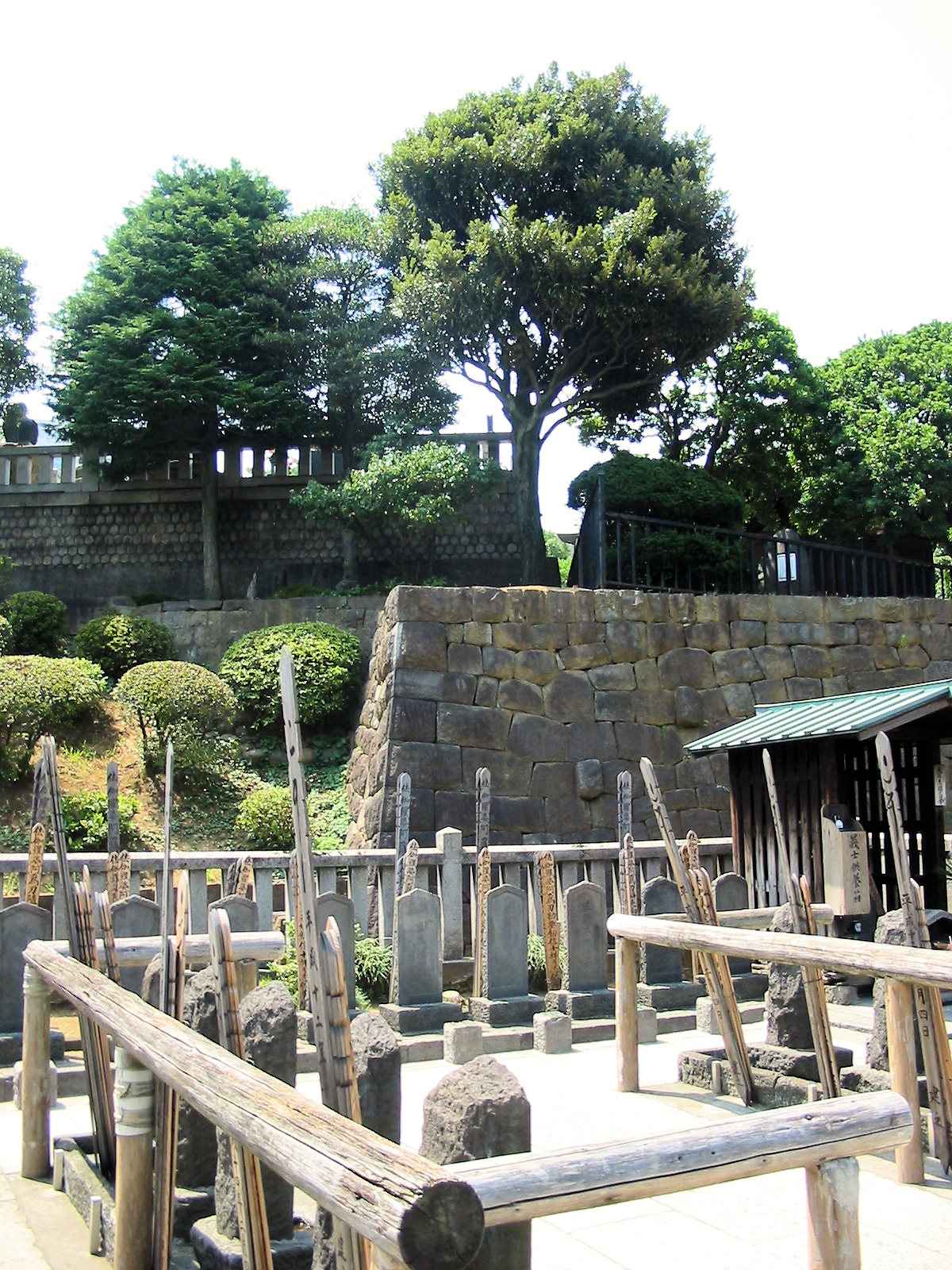
The tombs of the 47 ronin can be found a short distance from Shinagawa train station and Sengakuji tube station. The story of the 47 ronin is an integral part of the cultural identity of Japan.

We’ve been through it before. You go to a well known city, head to the sights we’ve heard of, and find about thousand other people there most likely infringing on you trying to take photographs.

            In this post, I am going to point you in the direction of two really interesting sights that little to no one visit. The first is a place that epitomises the cultural identity of Japanese and the second is taken from popular culture.

The tomb of the 47 Ronin

            Japan’s greatest tale is the story of the 47 Ronin. This story occurred in 1701 in Edo, the site of modern day Tokyo. Two shogun leaders (daimyos) — Asano Naganori and Kamei Korechika — were tasked with organising a reception for a representative of the Emperor of Japan.

            A powerful government official named Kira Yoshinaka took a dislike to the daimyos. The reason for the dislike is not clear it was either because the samurai didn’t present him with enough gifts, they didn’t offer bribes he wanted, or that he was just plain arrogant. Sort of reminds you of a current world leader doesn’t it?

            Kamei lost patience with Kira and vowed to kill him for dishonouring the samurai but his consorts managed to avert disaster and they appeased Kira with a very large bribe which led to better treatment of Kamei by Kira.

            But the poor treatment of Asano continued. It got to the point where Kira uttered a serious insult to Asano which led to the samurai attacking Kira in the palace and wounding his face.

            The punishment for attacking a shogunate official in the shogun palace was completely forbidden in the Edo Palace. Asano was ordered to remove his smaller Katana blade and commit seppuku, suicide in which the samurai takes his smaller blade and disembowels himself. In the samurai world, an honourable death is by suicide.

            The result was that the 300 samurai whom Asano led were left leaderless or ronin. Out of that group, 47, led by their leader Oishi, vowed revenge.

            While revenge was forbidden, Kira’s security protection was fortified which meant that the 47 ronin had to bide their time before killing Kira.

            The ronin went back to being farmers while Oishi became an alcoholic, living in Kyoto brothels, and divorced his wife (this was so no danger could come to her once they carried out their attack).

            In the meantime, Kira had spies observing Oishi and once he appeared to have allowed alcohol to consume him, the spies reported to Kira. It took two years for Oishi to be convinced that Kira had let his guard down.

            In early winter, Oishi and the rest of the 47 ronin launched their attack on Kira in his Edo mansion. Two groups laid siege to the mansion with Oishi leading one group and his son, Oishi Chikara leading the other.

            With consideration to Kira’s high rank, Oishi knelt, addressed him with the highest respect, and told him that they were here to avenge Asano’s death. Oishi offered Kira a samurai’s death or for him to behead Kira in samurai tradition.

            When Kira refused to respond, Oishi ordered his men to hold down Kira while Oishi beheaded him. Oishi sent one of the ronin the to Ako to announce the revenge was complete while the other ronin marched to their master’s tomb in Sengakuji with Kira’s head. At the tomb, they washed the head in a well and presented it and the dagger to Asano’s grave.

            The shogunate had a dilemma: On one hand, the samurai were correct to avenge the death of their leader, but on the other hand, they killed a high ranking member of the shogunate. Despite support from the people, the ronin were sentenced to death. The dilemma was resolved by allowing the ronin to commit seppuku like their master.

            They were buried in front of Master Asano’s tomb.

            Today, you can visit this sight.

            It is a sight of great veneration and honour among Japanese people. It is not a touristy sight. It is a place for quiet reflection and to honour the legacy of these truly great men.

            Just outside of the gleaming ultramodern skyscrapers in the Shinagawa Ward of Tokyo is the Sengakuji temple. It is located near the Sengakuji tube station on the Keikyu Line. Come out of the station, turn right and cross the road and keep walking straight and you will come to the temple. It is free to visit the tomb and you can pay a small fee to see the museum which houses the clothing the 47 wore that night and a copy of a receipt made for Kira’s employees who came to collect his head for burial.

Horror house is eerie even in the daylight


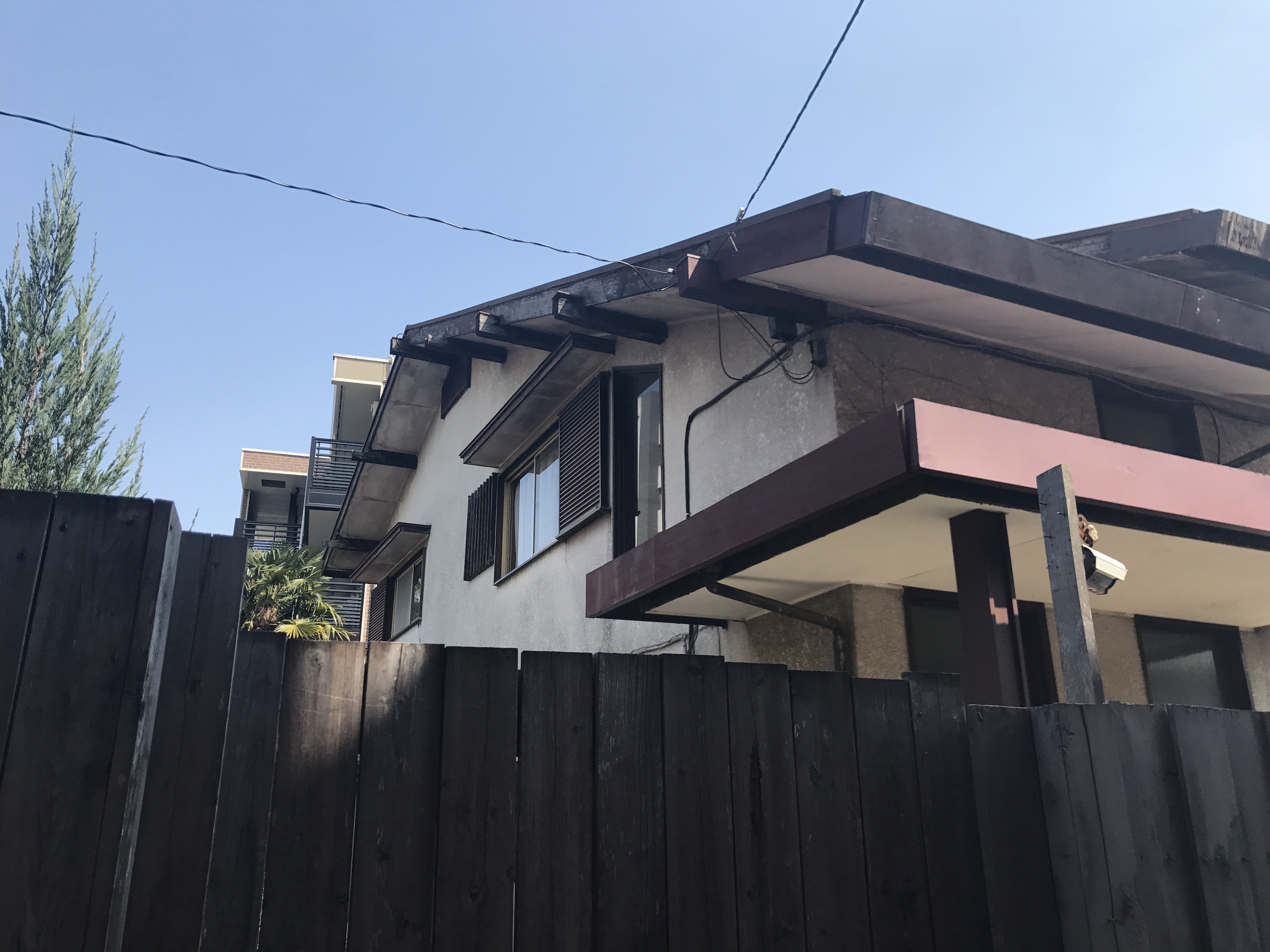
Fans of The Grudge will recognise this house as the Saeki House from the film series. It can be found about an hour away from central Tokyo.

   Are you familiar with the film Ju-on: The Grudge? No, not the bad American remake. I’m talking about the Japanese original.

            The plot is about a house haunted by a ghost in a state of rage after the murder of a wife and child by a husband who also committed suicide. In the film, everyone who comes into contact with the home dies.

            The house used in that movie is located in Tokorozawa in Saitama about 45 minutes suburban train ride north of Tokyo. You can travel to Tokorozawa station from Ikekebukoro station in Tokyo.

            From the station, it is about a five-minute walk through a street lined with restaurants and down some alleyways.

            If you are a horror film fan, it is worth the journey.

            In the film, the ghost of the little boy, Toshio, is often accompanied by a cat. When I went to visit, as I turned on to the lane the house is on, a black cat came running across the path.

            So this concludes the Japan series. I will continue to write other blogs about other places I have visited.

Convenience store food? Don’t knock it until you try it in Japan

Matsusaka A5 Wagyu beef is the most expensive cut of steak you can find. No trip to Japan is complete without indulging in this rare cut of steak.

            Another big expense you have to budget for in Japan is food. Japan has food option s ranging from a few pounds to thousands of pounds.

            One of the things I do is change the way I eat. I have my large meal at lunch because the lunch and dinner menus at most restaurants are the same but the dinner menu is three times the price of lunch.

            Another option is the famous ramen house or Izakaya.

            An Izakaya is a Japanese pub that provides food and alcohol. Don’t feel intimidated if all the signs and menus are in Japanese, the people who go there or work there will help you make your dining choices.

            Prices in Izakayas tend to be quite inexpensive and full of character.

            There is one Izakaya in Tokyo that you enter at your own risk. Bar Kagaya is run by Mark Kagaya and can be best described as cross between a trip through Alice’s Wonderland and a scary puppet show.

            This YouTube clip will give you an idea of the madness that goes on in Bar Kagaya. If you are interested, call ahead for reservation because it fills up fast.

             Be warned. This video is not for the feint of heart.

            Ramen houses are plentiful and the food is great and filling. Two of the biggest chains in Japan are Afui and Ippudo Ramen. But if you want a unique experience, try one or both of the world’s only Michelin starred ramen restaurants.

            Tsuta and Nakiryu have been awarded Michelin stars and are extremely popular. Both are very small restaurants with about 8 seats so you have keep a few things in mind when trying to get a seat.

            Tsuta requires diners to come to the restaurant near the Sugamo tube station between 7 and 8 a.m. to collect a colour coded ticket. The ticket is acquired with a refundable 1,000 yen price. The colour of the ticket corresponds to a one-hour window between 11 a.m. and 3 p.m. or 5 to 8 p.m. The restaurant is closed on Wednesdays. When you return at your appointed time, you get your 1,000 yen back which you can use towards your food. The signature bowl costs about 1200 yen or about £10 which is an excellent bargain for a Michelin star restaurant.

            Nakiryu is near Otsuka station and is known for its Dan Dan spicy ramen. They are open 11:30 a.m. to 3 p.m. and 6 to 9 p.m. everyday and closed on Tuesdays. The process for getting a seat is different from Tsuta. You need to get to the restaurant at about 10:30 a.m. and get in line. If you get there at opening, you will be in line for a couple of hours. The pricing is similar to Tsuta.

            If you fall in love with Tsuta and Nakiryu, and you will, you can buy instant noodles made by those chefs which are available in convenience stores around Japan. The instant noodle version costs about £4. While they aren’t as good as the real thing, they are a far sight better than the £0.25 ramen you get in the UK.

7 Eleven, Lawson’s, Family Mart

            Speaking of convenience stores, a great place for a cheap lunch or dinner is a Japanese convenience store. The big three are 7 Eleven, Lawson’s, and Family Mart. If you have ever been to a 7 Eleven in the U.S., you know all they sell is high sugar drinks and bad fast food.

            But convenience store food in Japan is better than the prepared meals in supermarkets in England. You can get ramen bowls, sushi, sandwiches, bento boxes, and noodles or rice dishes.

            The stores have microwave oven so you can warm up your food and take it back to your hotel. There are so many of these shops that you aren’t far from one anywhere in Japan.

            Each store has its specialty. 7 Eleven is known for its hot food and drinks. Lawson’s is best known for its fried chicken, nuggets, and baked goods. Family Mart has a vast array of hot and cold drinks.

            Egg sandwiches are common to all and are truly amazing. They are unlike any egg sandwich you have eaten before and you will become addicted to them.

            Lawson’s has a soft bun with chocolate marbling. These are very addictive too. I have lost count of how many egg sandwiches and chocolate marble buns I have eaten during my trips to Japan.

            While all hotels have a kettle in the rooms for tea which you can use to boil water for ramen, some also have microwave ovens if you want to heat up food.

            Here is an approximate breakdown of a typical food day for me in Japan:

  • Breakfast: sandwich, pastry, and drink: £5
  • Lunch: Typical Japanese fare: £10
  • Dinner: ramen/bento box, pastry, and drink: £7

From that breakdown, I spend about £22 a day on most days. But that doesn’t mean you can’t splurge on certain meals.

            Thanks to the Olympic preparation in Tokyo, the iconic Tsukiji fish market has shuttered. However, it has reopened as the Toyosu Market about 2 km away in Tokyo’s Koto Ward with Shijomae Station on the Yurikamone Line being the closest tube station.

            The market is free to visit and open to the public from 5 a.m. to 5 p.m. where you can try some of the freshest sashimi you can find. Two iconic restaurants in Tsukiji have reopened in Toyosu. Sushi Dai and Daiwa Sushi continue to serve up the best sashimi in the market.

            Now here is the catch. Both restaurants open from 5 a.m. to 2 p.m. Because they are both small restaurants you will need to line up. If you get there after 7 a.m. you will be standing around for a long time. When I went to Daiwa Sushi, I got there at about 5:30 a.m. and got in at just after 6 a.m.

            The breakfast meal consists of eight pieces of sashimi and one extra of your choice for about £25. Breakfast for £25? Well, if you can find sashimi as fresh as what is served in Sushi Dai or Daiwa Sushi in the west, you will probably spend at least 5 times that price.

            Another splurge item in Japan is the beef. Japanese beef is world renowned with Wagyu leading the way. Wagyu refers to any of the four main breeds of beef cattle in Japan: Matsusaka, Kobe, Mishima, and Omi.

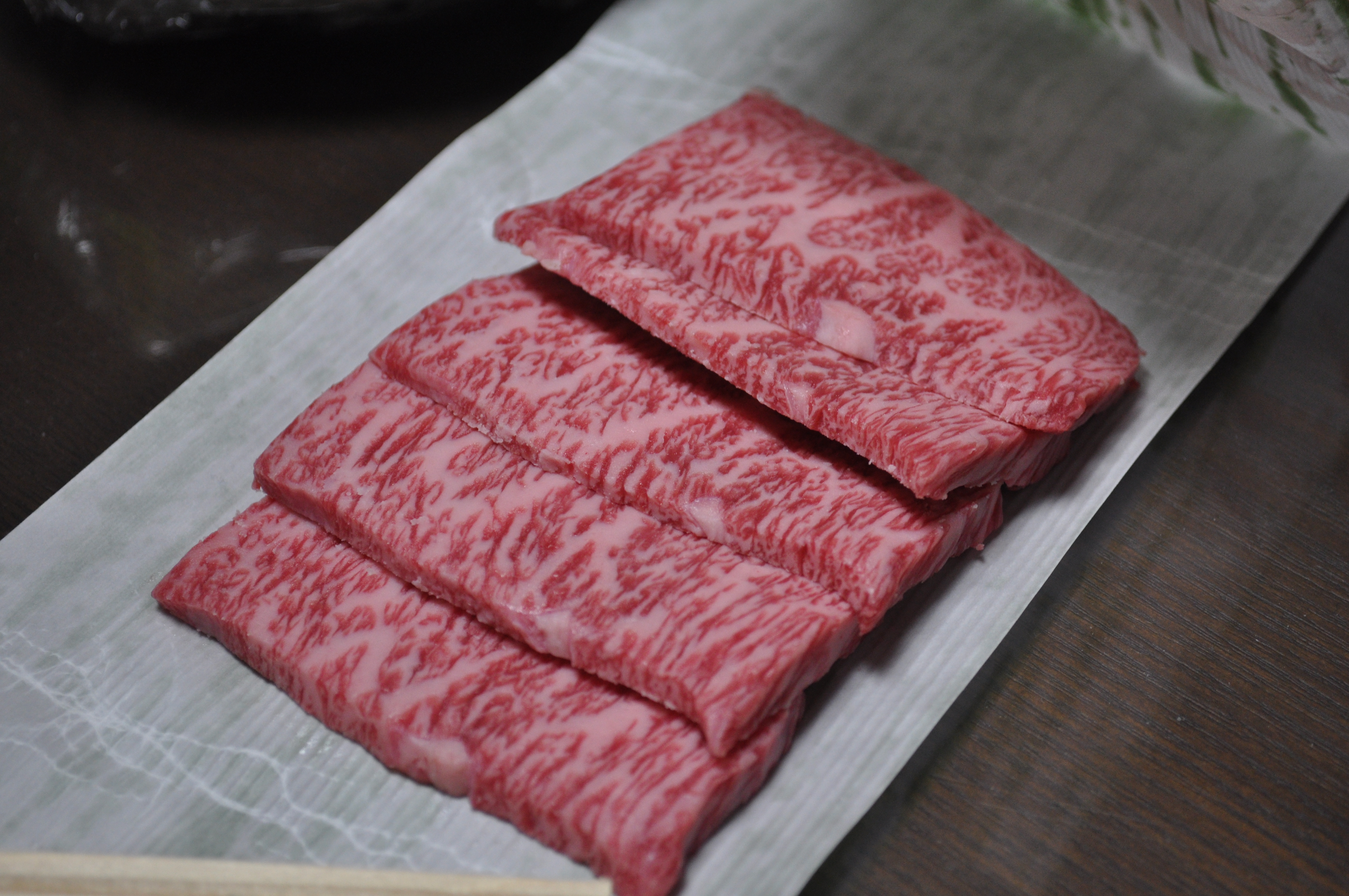
            Japanese beef is extremely expensive because of the fatty marbling that leads to the most tender steak you will ever eat. Marbling refers to the fat content in the beef. The more marbling the better. The top grading for Wagyu beef is A5.

            This is where the focus on lunch comes in handy. At some of the top steakhouses in Japan, the lunch menu will probably cost about £50 while dinner is closer to £200. Again, a Japanese Wagyu steak on this side of the planet would be more than £200.

            Now that we have covered food, I will complete the series by pointing out two amazing sights in the Tokyo area that most people never think to visit.

Tips for getting online and staying on the cheap in Japan

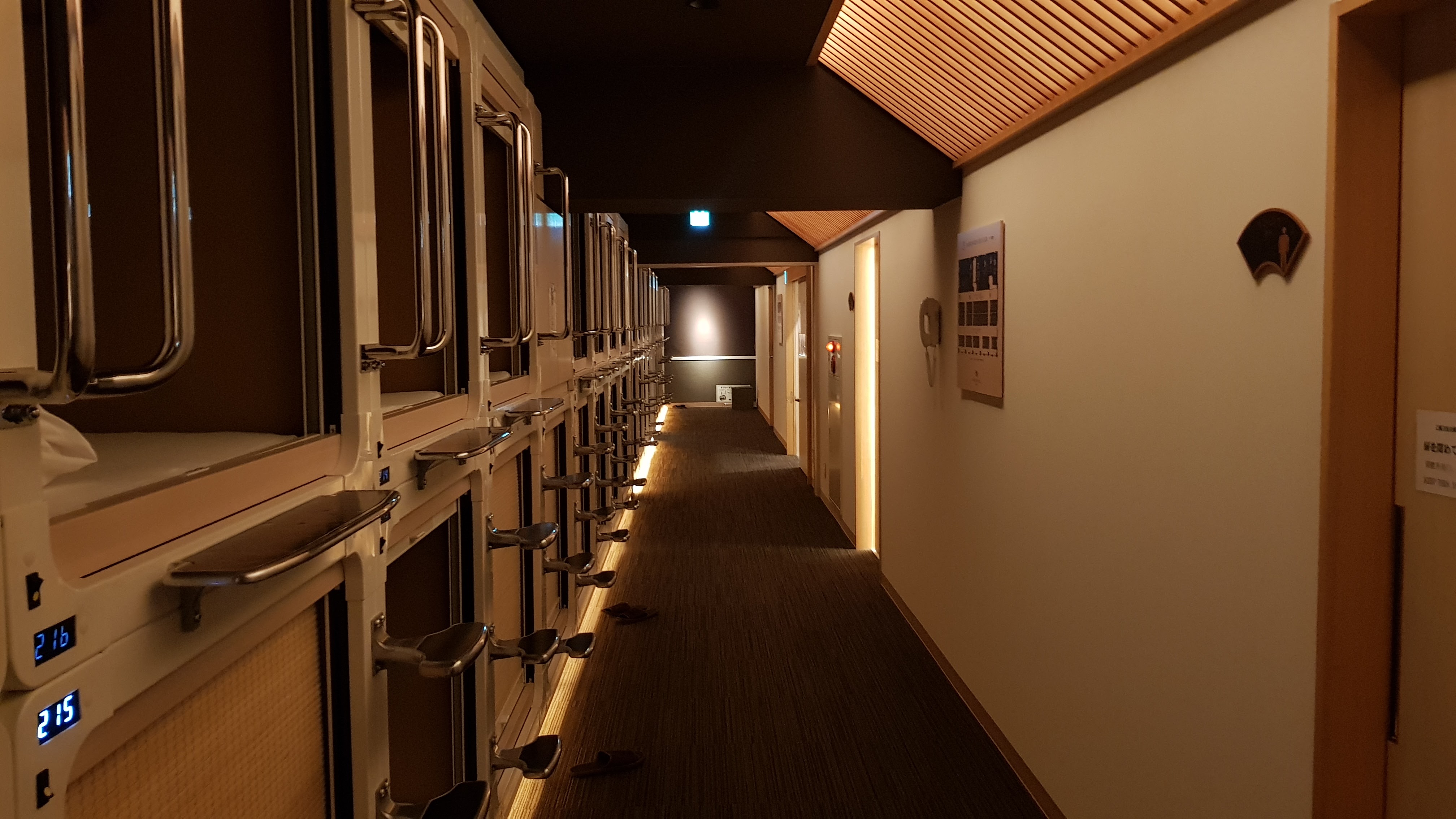
The famous capsule hotels are very cheap in Japan. While they aren’t a good option for your main hotel, they are good if you have an early morning flight or train.

            Gadgets. We can’t live without our smartphones, computers or tablets. We take them everywhere and we bury our noses in them.

            When travelling to Japan, your next thought is on staying connected.

            In Japan, you have two options: sim card or a portable modem.

            Sim cards are great if you have an unlocked phone. You get a generous data plan to help you navigate your way around the country.

            Chances are, your phone plan does not have an offer for travel in Japan which means you could be in for a nasty surprise in your next phone bill.

            The option I take is the portable modem. You can either rent one online or pick one up at one of the many kiosks in airports in Japan.

            The JR Pass company I buy my passes from also rents modems at a rate of approximately £40 for five days. You just need to input your days in Japan and it will give you a price.

            When you order your modem, you have the option of picking it up at the airport or having it available for pick up at your first hotel.

            The best option is to pick it up at the airport so you can get online to use Google Maps to navigate and find your hotel.

            A few days before you are due to arrive in Japan, the company ships your modem to a pick up store in the airport, usually located on the departures level.

            The company will send you an email with the tracking number which you present with your passport at the desk and they hand you a package with your modem, charger, and a prepaid envelope for when you are ready to return it.

            You get an unlimited data plan but it is throttled if you go over 1 Gb of data in a day. If you want to watch Netflix, use the hotel’s wifi which is good enough for streaming.

            On the back of the device is the moden ID number and passcode you can input into your device to get online.

            When it is time to return it, simply put the modem and charger in the pouch and into the prepaid envelope and drop it into any mailbox.

            There is a mailbox in the departures area of Japanese airports. Do not take it past security or passport control because there aren’t any post boxes in that area. If you do, then you will have to pay to courier it back to Japan and pay any overdue fee.

            The modem signal is very good. The only place I lost signal was in the Seikan Tunnel which is under the sea and connects Hokkaido to Honshu Island in the north of Japan.

Suica or Pasmo?

            Another handy product the JR Pass office offers is a Suica or Pasmo card. Both are similar to the Oyster card on the London underground and can be used to ride the Tokyo Subway and the Osaka Subway.

            There is no difference between Suica and Pasmo other than those being brand names. The other added bonus of the card is that you can use them at vending machines around Japan to buy drinks or food.

            The price for one is £19 which is added to the card so when it is posted to you, you have a topped up card. If you get low on funds, go to any ticket machines at a subway station and top it up. Don’t worry, the machines have an English language button to help you complete the transaction.

Where to stay?

            Like I said before, Japanese real estate is expensive. This is magnified when checking out the prices for five-star hotels in Tokyo.

            One night at the Shangri-La Tokyo will cost you £600. Most five-star hotels will cost between £200 and £700 a night.

            The great thing about Japan is that it is such a safe and clean country that three-star business hotels are better than most four-star hotels in other countries and will cost about £50 a night.

            APA and Toyoko Inn are two of the largest business hotel chains in Japan. The APA is not without controversy. Its CEO Toshio Motoya fancies himself an essayist and intellectual and writes books that are placed in the rooms.

            The writings are far right. His book Theoretical Modern History: The Real History of Japan is printed in English and Japanese and contains passages that support his belief that the Nanking Massacre and the comfort women of Seoul were not atrocities committed by Japanese soldiers during the Second World War.

            Other than the book, the APA chain is simply a hotel chain. No one foists extremist beliefs on you, but it is your choice if you want to stay in a hotel managed by a far right conspiracy theorist.

            The drawback of business hotels is that the rooms are tiny. You have room for a single bed, a desk, and a bathroom. The tub is usually about half the size of a western bathtub and you have little room for moving in the bathroom area.

            One of the business hotels I stayed in had paper-thin walls so you can hear people snoring in their rooms.

            Another option for staying is the famous capsule hotel.

            Japanese people love to party, but the public transit system closes at 1 a.m. The result is that many of the Japanese salarymen opt to stay and party and then get some rest in a capsule hotel.

            These hotels are literally capsules in which you sleep much like Bruce Willis’ room in The Fifth Element.

            They are cheap (starting at £20 a night), but they aren’t really conducive for long-term hotel stays. They work in a pinch when you have an early flight or train and need to stay close to the airport or train station.

            The next option is the ryokan which is Japanese guesthouse. These can be pricey, especially in the rural areas. The prices are high because you get a large room with a futon and a full kaiseki meal. Kaiseki is a form of Japanese fine dining that originated in Kyoto and includes a variety of dishes. It is the epitome of high dining in Japan.

            The final option is the ubiquitous Japanese Love Hotel. I have not stayed in one of these but have seen YouTube videos of them and they are quite interesting if you want to stay in a cheesy hotel where couples go to, well, you get the picture.

            Unfortunately, there is only one night-train left so saving a night by taking a late train isn’t an option unless you are going to the far south of Japan.

            There you have it, a few more options for you to consider to help you budget for your trip.

            In the final blog in this series, I will write about meal strategies to help you save money and give you tips on sights that are off the beaten track in Tokyo including one very scary spot.

A whole world of ideas, options for you in Japan

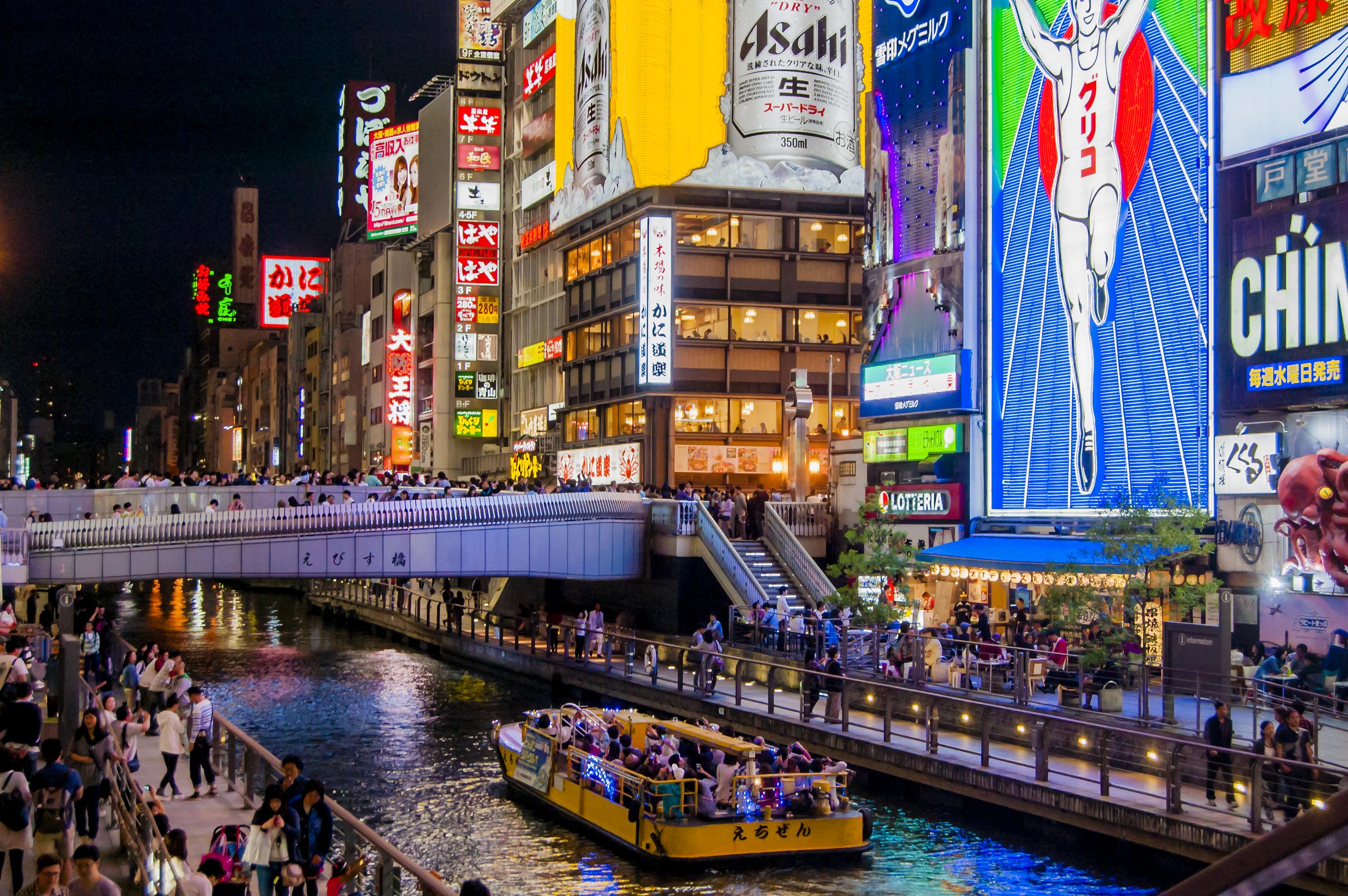
Osaka’s Dotonbori is the main area for food, fun, and partying. The area is renowned for its foods such as okonomiyaki, takiyaki, and seafood.


   In the last blog, I drew up an outline for how to get to Japan. In this blog, I will focus on travel planning.

            How long do you want to spend in Japan? Do you plan to return again and again? Or do you plan to see as much as you can in one trip and cross Japan off your list?

            Japan is an amazing country that will keep you coming back if you let it. There is much to see, experience, and consume in the Land of the Rising Sun.

            If your plan is to do a one-off trip, you might want to allocate about three weeks to see the sights. The question now is when do you want to visit?

            Winter can be cold and dreary in Japan, but there is lots to see and do. Northern Japanese cities of Aomori, Akita, and Sapporo hold three of the top five positions on the list of snowiest places in the world.

            To put things into perspective, Aomori rates as the city with the most snow and averages a whopping 800 cm of snow annually.

            But don’t fear, there is much to experience in winter in Japan.

            In fact, Sapporo’s ice festival in February is an event that attracts people from across the globe.

            Spring time in Japan is glorious. It is the Sakura (cherry blossom) season which starts in mid-March in the south and finishes in May in the north.

            Don’t fall into the trap of seeing the cherry blossoms at tourist sights or else you will be stuck with thousands of other travellers and it won’t be that great. Go off the beaten track. There are places in Japan where tree-lined streets turn into a pink tunnel that very few people know exists.

            Summer can be downright hot and humid in Japan with temperatures soaring into the 30s. If you are there in the summer, try to work in a trip to a mountain area such as Takayama where the temperatures are cooler and there is no humidity. Your body will thank you.

            Autumn in Japan turns the country red with the changing leaves. While many of your homelands have autumn colours, you can’t go wrong checking out Japan’s colourful display.

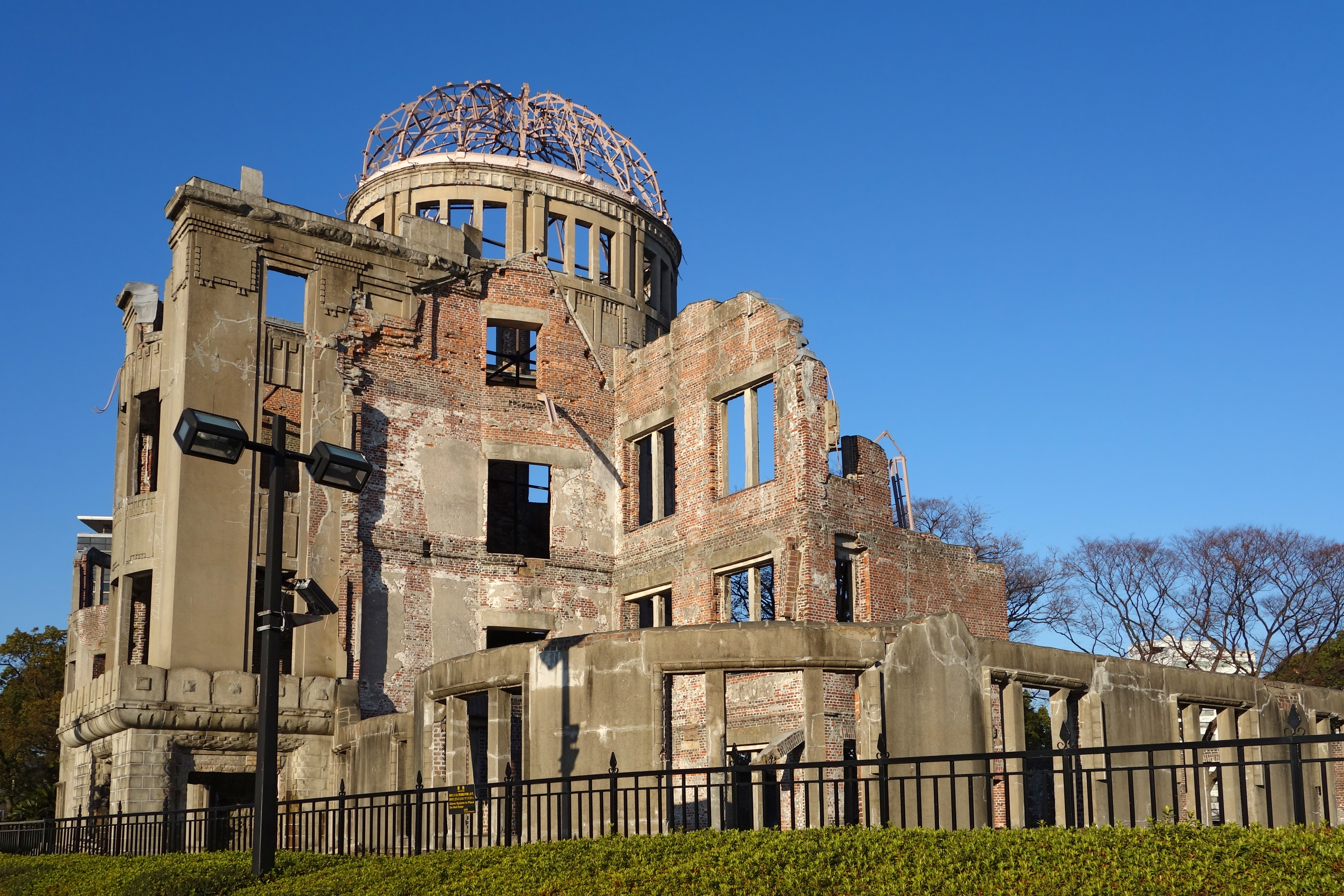
The former Hiroshima City Hall dome is the only structure that survived the atomic bomb that was dropped on the city at the end of the Second World War.

Key places to visit

            Obviously, you will want to visit the vast metropolis of Tokyo when you are in Japan. It is massive with a population bordering on 35 million people.

            While Tokyo is nice, it is like any major metropolitan in the sense that it can be an impersonal experience.

            If you want to experience the warmth of Japanese people, head to Osaka and the sights, smells, tastes, and sounds of the Dotonbori. This is the main party area which is a street lined with restaurants, bars, and food stands with friendly people hoping you stop by for some good Japanese food.

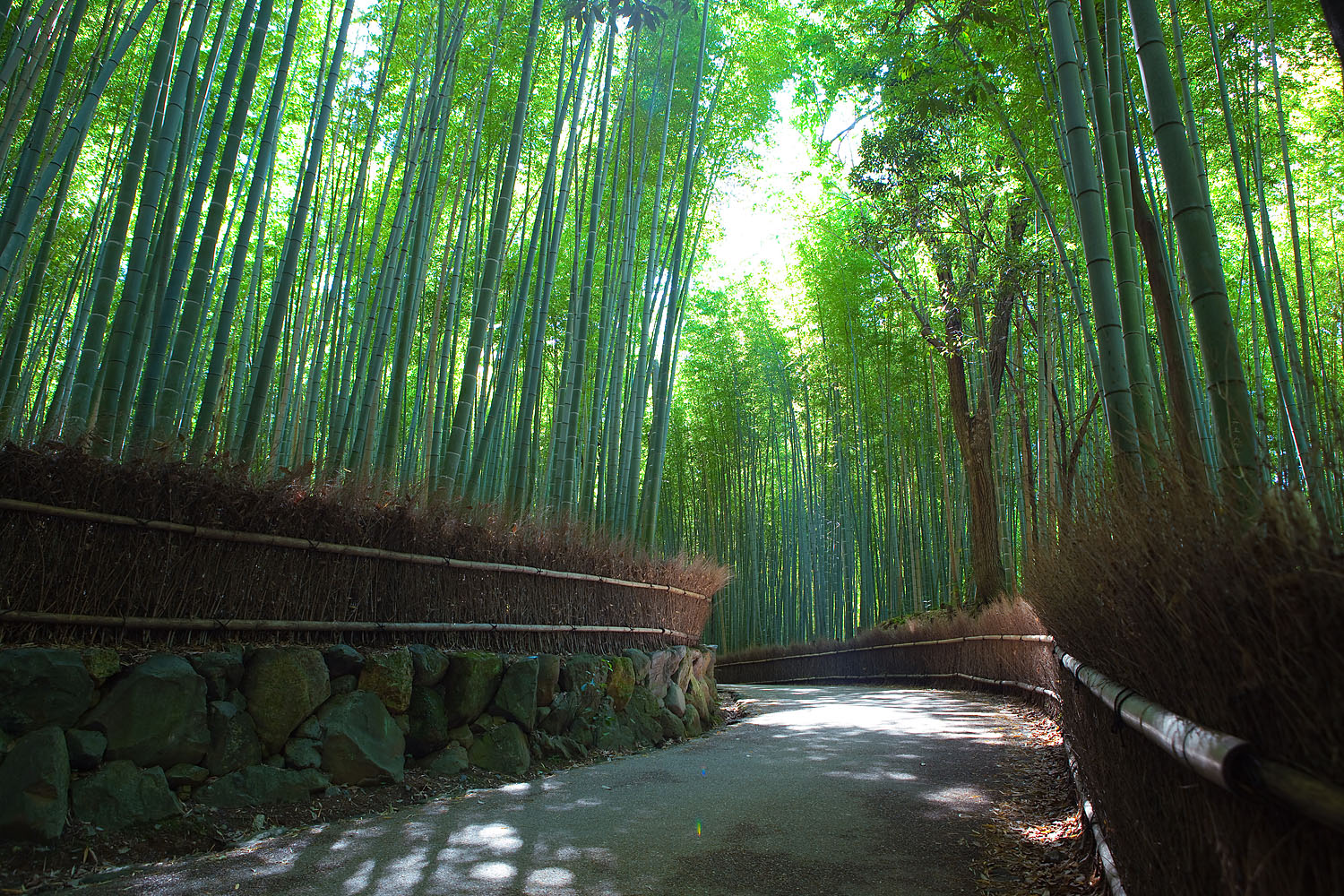
            Kyoto was the former capital of Japan and is still the cultural capital of the country with its many temples, Geisha quarter, and bamboo forest.

            No visit to Japan will be complete without a visit to Hiroshima, the sight of America’s nuclear bombing, along with Nagasaki. The bombed out town hall dome still stands to this day. A trip to the area brings you into contact with school groups learning of their history. The students are very friendly and will want to try out their burgeoning English language skills on you.

            You could also reach out for the western city of Kanagawa which is an old Samurai village, Takayama in the central Japanese mountains, or farther north into Sapporo on Hokkaido Island.

One of the great sites in Kyoto is the bamboo forest in the west of the city.

Estimated times

            Here is a breakdown of the amount of time to spend in some of the major cities of Japan.

  • Tokyo: About a week here will give you enough time to see the usual sights and some of the lesser known ones.
  • Kyoto: Five days will allow you to take in the historical capital city of Japan.
  • Osaka: Three days will be a generous amount of time to see the sights and indulge in the party zone of Dotonbori.
  • Hiroshima: Three days are sufficient as the major area dedicated to the atomic bomb site are in one location. This also allows you to do some day trips to nearby sites such as Himeji Castle and Miyajima, the site of a floating torii gate.
  • Takayama: One full day will allow you to see the Samurai village and the Shirakawa-Go village.
  • Kanagawa: A day trip from Tokyo is not out of the question to see this coastal city.
  • Sapporo: Three days will allow you to experience life in the far North of Japan.

            While this is not an itinerary, you can see that three weeks will allow you to see all of these sights. One thing to consider is to start in one city and end in another. For example, start in Osaka and end in Sapporo. It is possible to get a hotel in Osaka and spend about 8 days combining Osaka with day trips to and from Kyoto. Two weeks will allow you even incorporate Hiroshima as a day trip. The luxury of the speedy Shinkansen means that Hiroshima is about a four-hour train ride from Osaka. So, for example, you can catch an 8 a.m. train from Osaka, get to Hiroshima by noon, spend a few hours at the Peace Park, and return to Osaka in the early evening.

            Whatever your itinerary, have fun while you sort out where you want to go. A big part of the excitement of sightseeing anywhere is planning where you want to go.

Do your homework before you travel to Japan

A Japan Airlines Boeing 787 taxis on the apron in this file photo. JAL is the national flag carrier of Japan. It is one of two five-star carriers in Japan as rated by Skytrax.

            Most international travel starts with a flight. Therefore, this Japanese vacation plan will start by helping you to plan for how you will arrive into Japan.

            The debate is still open on booking fights directly with airlines or using online travel agents. Each is not without its horror stories, but I have always booked with airlines and never had an issue.

            One thing I would do is check with airfare aggregators to get an idea of the costs. Two of the best I use are Kayak and Skyscanner. Both sites trawl the internet for airfares and will find sales and discounts to give you the best price as well as the airline price. Kayak also offers a service where they can speculate on the trend of an airfare and advise you if they think the price will decrease or increase.

            When flying into Japan, you have a lot of choices. Japanese carriers Japan Airlines and All Nippon Airways fly to major destinations in Europe, North America, and Oceania. Legacy carriers from the U.S., Canada, England, Germany, France, Netherlands, Austria, Russia and Scandinavia also offer several flights. Asian carriers from Hong Kong, China, Thailand, Malaysia, Philippines, Indonesia, and Singapore add to your choices while Oceania carriers from Australia and New Zealand are also in on the fun. And let’s not forget the big three of the Middle East.

            One suggestion I can put forward, especially for European travellers, is Finnair. Although Finnair is small compared to the giants of Europe, they offer flights to Tokyo, Osaka, Nagoya, Sapporo, and Fukuoka. In Tokyo, they use Narita Airport. What sets them apart from the more established carriers is that they use the ultra-modern Airbus A350-900XWB jets and they are the shortest flight option from Western Europe. For the purposes of illustrating this point, I will use Manchester Airport in the UK as a starting point. There are no direct flights to Japan from Manchester, therefore, you will connect somewhere either in Europe, the Middle East or Asia. Flight times tend to be 15 to 16 hours on these routes, not including the layover for connecting flights.

All Nippon Airways is Japan’s other legacy carrier and also a five-star airline as rated by Skytrax the industry leader in airline evaluation.

            Finnair from Manchester is about 12 hours. It is about a 2.5-hour flight from Manchester to Helsinki and then 9.5 hours from Helsinki to Tokyo.

            I have flown on Cathay Pacific’s Airbus A350 before and it is the best airplane for ultra-long haul flights. The planes are made with composite materials and don’t rely on heavy pressurisation of the cabins. This means you can get some rest and your nose does not feel as dry as the Sahara when you arrive at your destination.

            Another bonus for selecting Finnair is that the codeshare with Japan Airlines which means you can possibly have a booking with Finnair on the Manchester to Helsinki segments and JAL on the Helsinki to Tokyo flights.

            If that is your choice, JAL uses the Boeing 787-9 on the route which is the competing airplane to the Airbus A350 and has similar features to ensure a better flying experience.

            Flight prices to Japan from Manchester are about £600 (economy), £1,000 (premium economy), £2,500 (business), and £4,000 (first).

            There are some tips you can use to help make the airfare cost more bearable:

  • Plan your trips outside of peak travel times in Japan. There are three peak seasons in Japan: Golden week (late April to early May), school holidays (July/August), and New Years.
  • Airlines tend to hold seat sales from just after Christmas Day through January. I have seen business class flights on JAL via Helsinki for as low as £1,800 during this time.
  • Consider a tour package because tour operators are able to offer you flight prices much lower than you can find. But this is probably not an option if you prefer to head out on your own in Tokyo.
  • Consider flying to a nearby Asian country and using one of their low cost carriers for the rest of the way.
  • If you subscribe to an airline alliance points programme, you can get flights for very cheap or at a discount depending on how many points you have already accrued. The three main airline alliances are Star Alliance, Oneworld, and Skyteam. Star Alliance major carriers include ANA, Lufthansa, Singapore Airlines, Thai Airways, EVA Air, Air China, Air India, Air Canada, and United. Oneworld carriers are JAL, Cathay Pacific, Malysian Airlines, British Airways, Finnair, and American Airlines. Skyteam includes; KLM, Air France, China Airlines, China Southern, Garuda Indonesia, and Korean Airlines.

Haneda versus Narita

            As I have stated before, there are two airports in Tokyo with Narita being in Chiba Prefecture, about 60 km from central Tokyo.

            Narita was set up as Tokyo’s international airport with Haneda handling mainly domestic flights. However, in the past decade or so, more international flights are landing at Haneda and it is a great option because it is between Tokyo and Yokohama.

            At 10 km from central Tokyo, it is a much better option especially after a long flight.

            The best part is that within 15 minutes you can be in central Tokyo if you take either the Tokyo Monorail to Hamamatsucho Station or the Keikyu Line to Shinagawa Station.

            Hopefully this information and the tips will help you to get a better understanding of how to get to Japan. In the next blog, I will explore rail travel and the discounts available to you.