Viva la revolucion: Following Che’s motorcycle journey of enlightenment

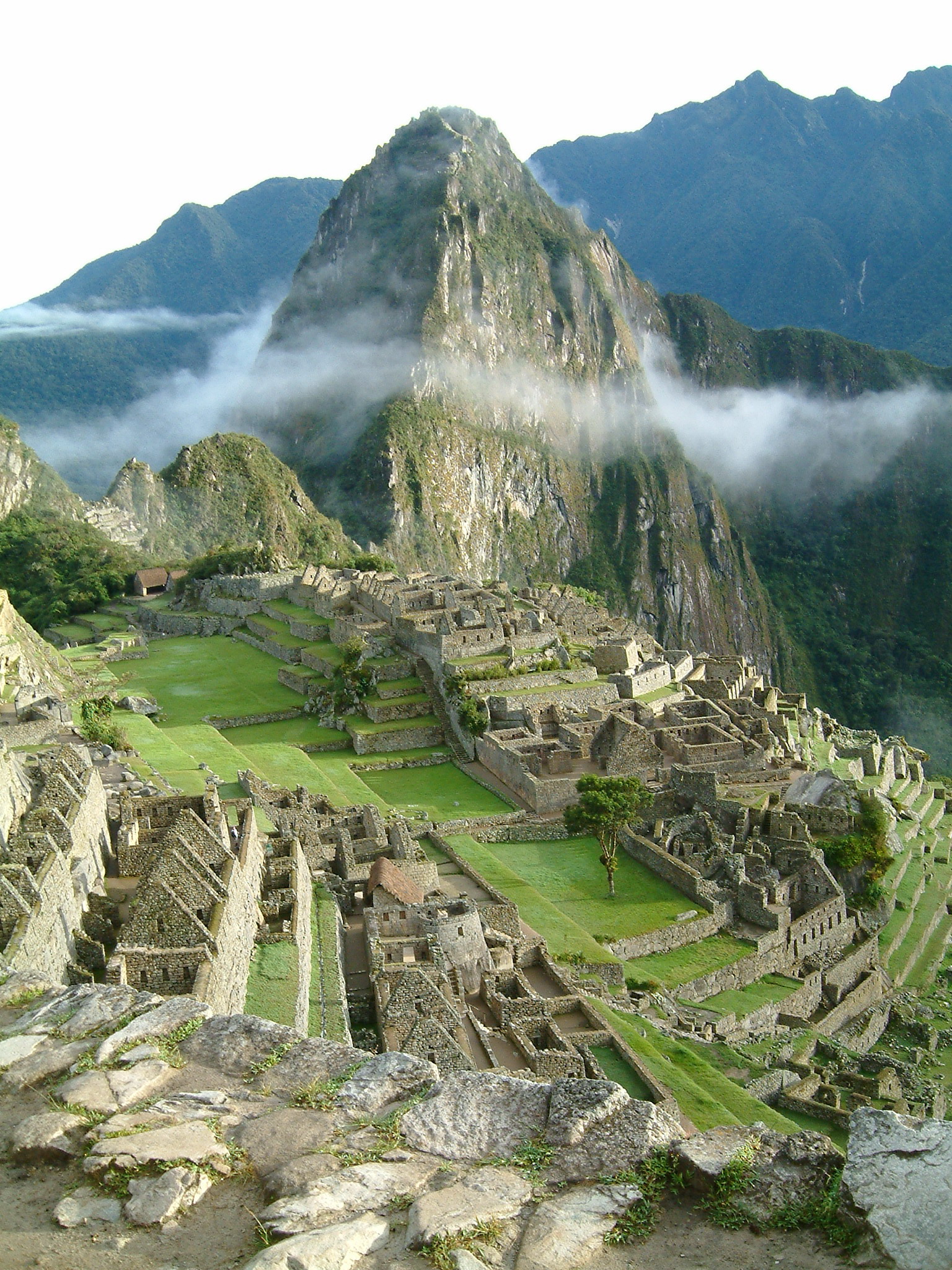
The majestic Machu Picchu was one of the major stops on the journey of enlightenment.

         In January 1952, a 23-year-old medical student and his 29-year-old biochemist friend set off from Buenos Aires, Argentina to see South America. On the back of a 1939 Norton 500cc that was one pothole or so from the junkyard, the two men set off on an odyssey across the Andes, through the Atacama Desert, and into the Amazon River Basin.

         This nine-month journey across a continent was much more than an end-of-school holiday because along the way the young medical student witnessed first-hand the social injustices poor mine workers, lepers, and the at-risk descendants of a once-might Incan kingdom. This journey represented a profound paradigm shift in our protagonist because this was the story of the formative years of the great revolutionary, Ernesto “Che” Guevara.

         My third bucket list trip would be to retrace the South American portion of Che’s journey of enlightenment.

         Che Guevara and his friend, Alberto Granado, began their journey in Buenos Aires with the idea of ending at a leper colony in Peru where they could help the affirmed with their medical skills.

         The travelled to Miramar where Guevara’s girlfriend was spending the summer. And, being a man in love, the two-day stop turned into eight.

         Eventually leaving Miramar, the pair made it to Bariloche which was their last stop in Argentina before crossing the border into Osomo, Chile.

         They continued on towards larger towns and cities until they passed through Santiago and Valparaiso.

         The first important stop in Che’s journey of enlightenment was Chuquuicamata Calama, one of the world’s largest open pit copper mines. It was here that Che met a homeless couple.

         Of the couple, Che wrote: “By the light of a single candle … the contracted features of the worker gave off a mysterious and tragic air … the couple, frozen stiff in the desert night, hugging one another, were a live representation of the proletariat of any part of the world”. (

         The pair would then cross over to Peru at Tacna before moving on to Torata.

         Here, Che wrote: “A beaten race watches us pass through the streets of their town. Their stares are tame, almost fearful, and almost completely indifferent to the outside world. Some give the impression that they live because it is a habit they can’t shake.”

         This vivid description of a people who had lost the will to live was part of Che’s baptism by fire from the shielded privileged middle class world to which he was accustomed to the stark reality of the world of the disadvantaged.

         They continued their path on to Machu Picchu and the first signs of Che’s disdain for the capitalists as evidenced by his reaction to the American tourists who had come to climb the mountain.

         The continued on through some small towns before they were side-lined after Che’s asthma forced him into hospital. Eventually they got back on the road and made it to Lima.
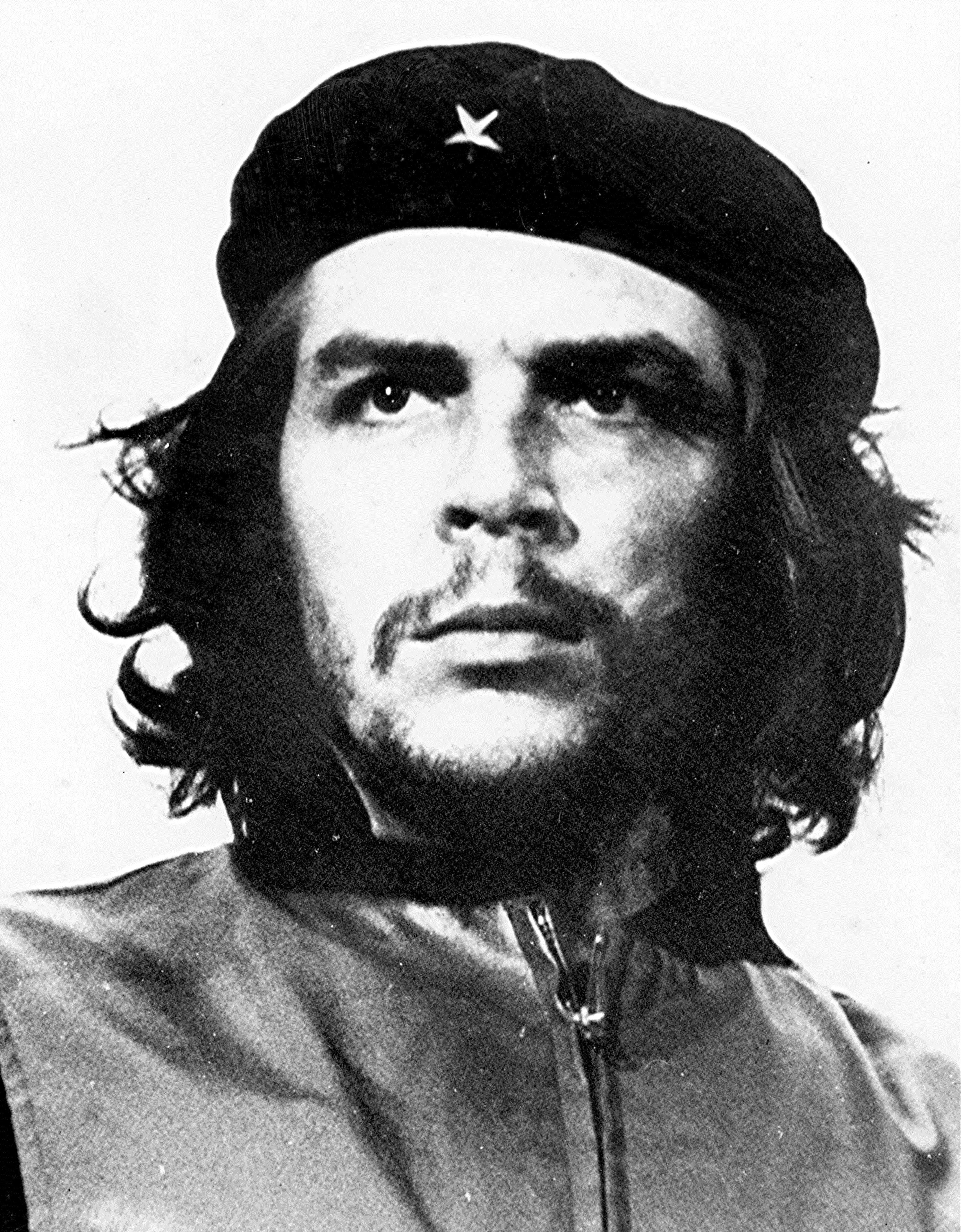
Ernesto Che Guevara

         In what can only be seen as an ironic twist, on 1 May (Labour Day), Che met a Marxist scientist named Hugo Pesce with whom he conversed in what Che readily acknowledged to be the conversations that led to his evolution in attitude towards life.

         By the time Che and Granado arrived in Iquitos, asthma forced Che to rest for six days. They then moved on to a leper colony at San Pablo de Loreto where he saw there was a shortage of clothing, food, and proper medical supplies for the lepers.

         By July, the pair made it up to Bogota, Colombia where Che witnessed how the disenfranchised were being alienated by the right wing government. In a letter to his mother, Che wrote: “There is more repression of individual freedom here than in any country we’ve been to, the police patrol the streets carrying rifles and demanding your papers every few minutes.”

         This marked the end of the South American journey and Che’s political odyssey.

         Back in the 1950s this would have been a nine-month journey, but today it could probably be done in half the time. Better transportation infrastructure, more choices for transit, and better roads would mean a better journey.

         But surely, if I wanted to retrace the revolutionary’s footsteps I would need to do so on bike, wouldn’t I?
The Bucket List: Pakistan Zindabad! Mysterious land with something for all tastes

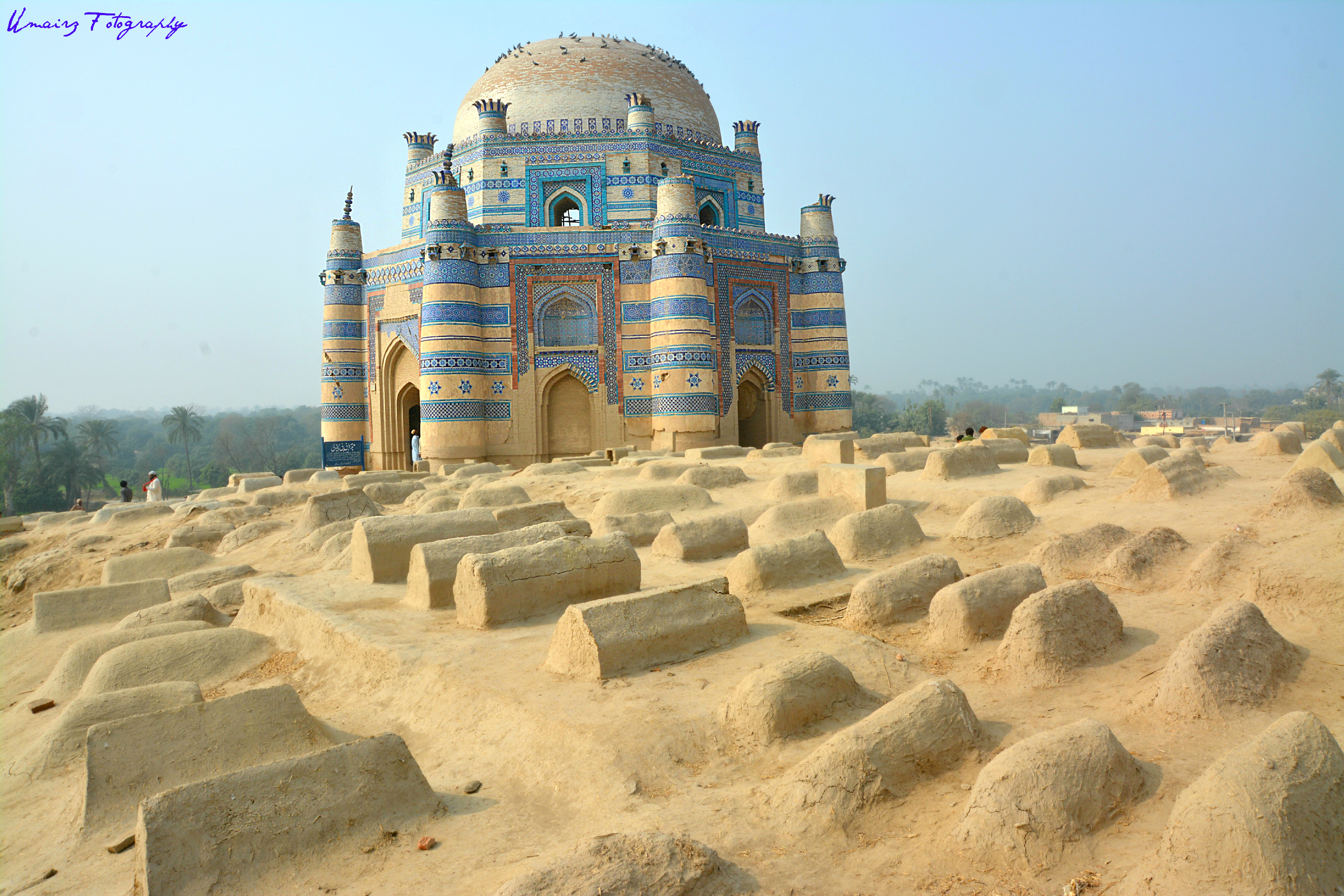
The tomb of Bibi Jawindi is found in Uch in Hyderabad province, Pakistan. Archeological evidence shows that Uch was founded by Alexander the Great in 325 BCE and called Alexandria of the Indus.

         Another place on my bucket list is a country that has a bad reputation based mainly on biased media reports of the place: Pakistan.

         If you searched the internet for the news perspective on Pakistan, it is a no-go zone with terrorists waiting to blow up everyone. It is overrun with Taliban and extreme fundamentalists.

         But if you look beyond the headlines to other travel reports and blogs of people who have taken the time to visit the country, you find a land that is filled with warm, welcoming people, rich cultural heritage, and breath-taking natural beauty.

         Pakistan is a land with something for everyone. If you travel to see history, experience different cultures, try new foods, visit historical sights or to climb mountains, it’s all in Pakistan.

The Throne Room of the Mountain Gods

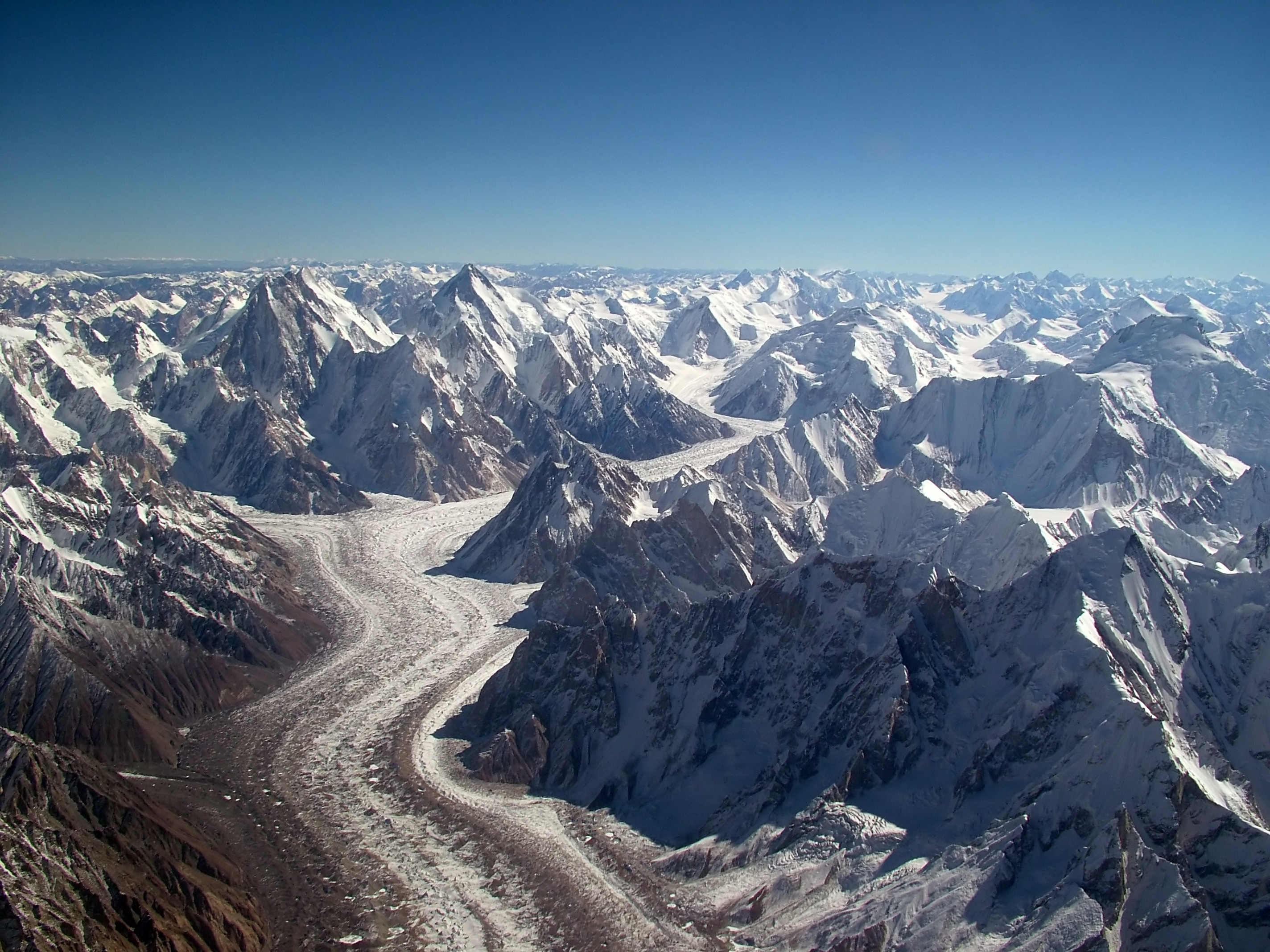
This aerial view of the Baltoro Glacier shows the pathway to Concordia, also known as the Throne Room of the Mountain Gods because the area is home to four of the 14 8,000-metre peaks in the world.

         One of my goals in life is to trek the to Concordia in the heart of the Karakoram mountain range in the Gilgit-Baltistan region of Pakistan. Concordia is also known as the Throne Room of the Mountain Gods.

         This is because Concordia is access point to four of the world’s 8,000-metre peaks — K2, Gasherbrum I, Broad Peak, and Gasherbrum II.

         I think I would need two trips to do what I want to accomplish in Pakistan. One would be to visit the cities of Pakistan: Lahore, Karachi, Islamabad, and Peshawar. The second would be a trek to the Concordia glacier. The reason for two trips is the trek takes three weeks by itself.

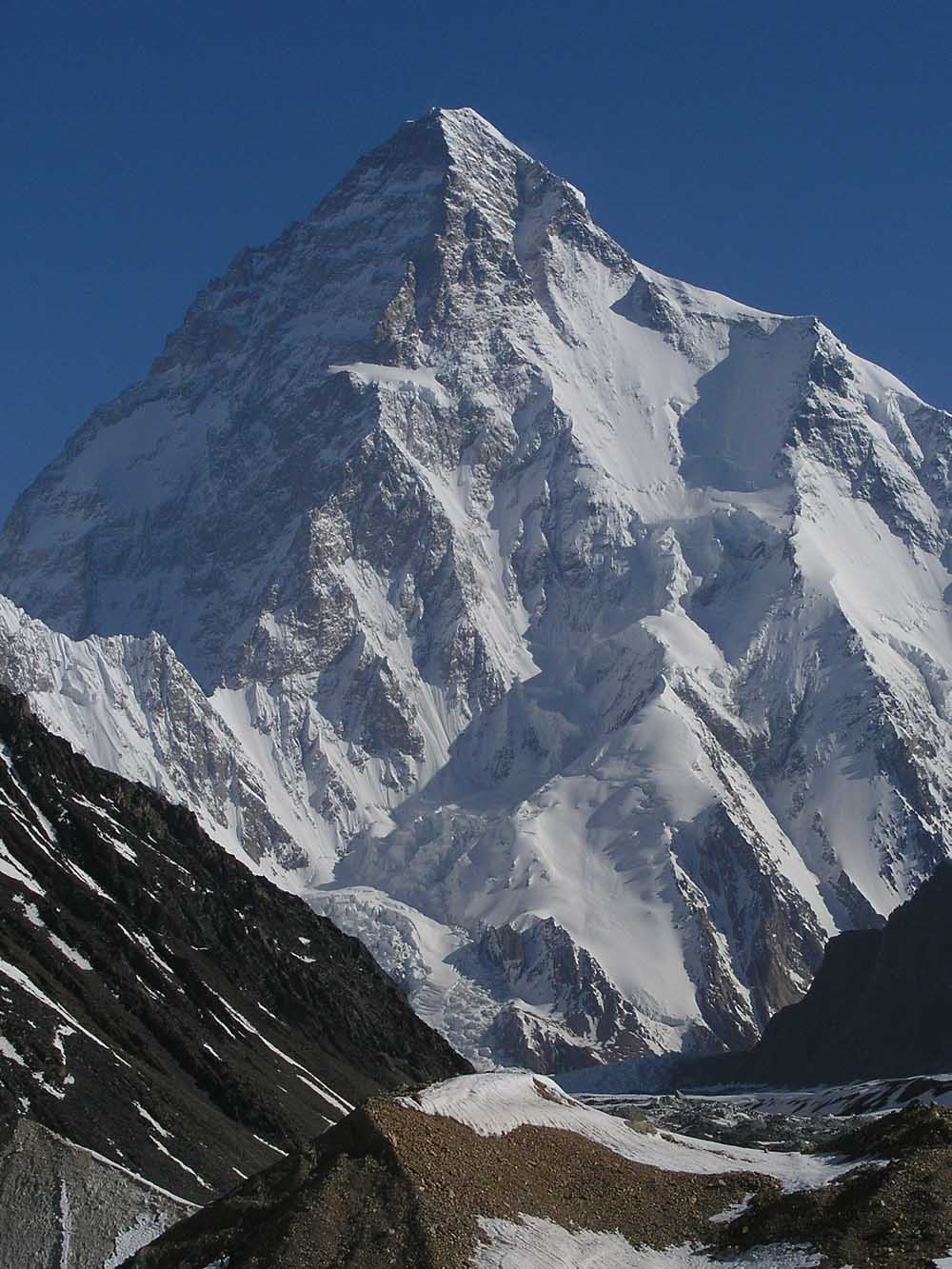
K2 is the second highest mountain in the world behind Everest, but is considered to be a much more difficult summit. Between 25 and 30 percent of the climbers who attempted K2 have died.

         One of the lures for me is to see K2, the world’s second highest mountain and the world’s most difficult mountain. One in four people who attempt to summit K2 dies. While more than 4,000 people have summited Mount Everest, only 306 have successfully summited K2. Some years, no one summits K2. To stand in the shadow of a merciless mountain would be awe-inspiring.

The cities

         If you have read Rudyard Kipling’s Kim, then you know of the Zamzama gun he wrote of that guards the city of Lahore. The city has stood for a thousand years and represents the capital of the Punjab region of Pakistan. While it is renowned for its cultural heritage of the north, but it needs to be explored to be found.

         The nation’s capital, Islamabad, is adjacent to the city of Rawalpindi and forms a green oasis by Pakistani standards according to the guide pages. Since it is the seat of government, it tends to be more of a government city.

         The northwest is dominated by the frontier city of Peshawar which is the gateway to the Khyber Pass and Afghanistan. Unfortunately, the famous Khyber Pass remains closed to visitors. The area is under constant surveillance by military and permits are needed which are not given out to tourists.

         To the south in the geographic centre of Pakistan is the city of Multan, often referred to as the city of saints. It is well known for blue pottery, glasswork, and shoes. To the far south on the coast of the Persian Gulf is Karachi the largest city and financial centre of Pakistan.

         Other places that have been recommended are Mohenjo-daro and Taxila, both heritage sites. Mohenjo-daro dates back to 2000 BCE. The Gang

Considerations:

         Just last month (May 2019), Pakistan finally launched its e-visa system for 175 countries including Canada, the US, and the EU. Check their website to see if you are eligible for e-visa and how to apply. Like other Islamic nations, people travelling on an Israeli passport will be denied entry. But, if you have another passport and have a Israeli immigration stamp will not be problematic.

Getting in:

         British Airways is the only Western Airline that offers flights to the capital city of Islamabad three times a week.

         Pakistan International Airlines is the national flag carrier with flights from Toronto, the UK Milan, and Paris. Otherwise, the major Middle Eastern carriers (Qatar, Emirates, and Etihad), Oman Air, Saudia, and Turkish Airlines will be your best bet with flights to all major airports in Pakistan from major western airports.

Potential itineraries 1 hike to Concordia Glacier and K2 base camp

  • Day 1: Arrive in Islamabad
  • Day 2: Travel flight (weather permitting) to Skardu.
  • Day 3: Drive to Askolie
  • Day 4: Askolie to Korofong trek (6 to 8 hours)
  • Day 5: Korofong to Bardumal trek (8 hours)
  • Day 6: Paiyu trek (6 hours). First views of Baltoro Glacier and Trango Tower
  • Day 7: Paiyu rest day
  • Day 8: Paiyu to Khoburse (6 to 8 hours)
  • Day 9: Khoburse to Urdukas (4 hour trek)
  • Day 10: Urdukas to Goro (8 hour trek). On to the Baltoro Glacier
  • Day 11: Enter the Throne Room of the Mountain Gods at Concordia. K2 on the left.
  • Day 12: Rest day at Concordia to sit in the shadow of K2 in awe.
  • Day 13: Return to Goro camp site
  • Day 14: Urdukas
  • Day 15: Paiyu
  • Day 16: Julla
  • Day 17: Korofong
  • Day 18: Askolie
  • Day 19: Skardu (first hotel since Day 2)
  • Day 20: Return to Islamabad
  • Day 21: Cushion day/Leave Pakistan

         As for a proposed itinerary of the major centres of Pakistan, I’m open to suggestions from my Pakistani friends about where I should visit on a 21-day tour.

The Bucket List: 5 ‘Stans’ of Central Asia transports you back to days of yore on Silk Road

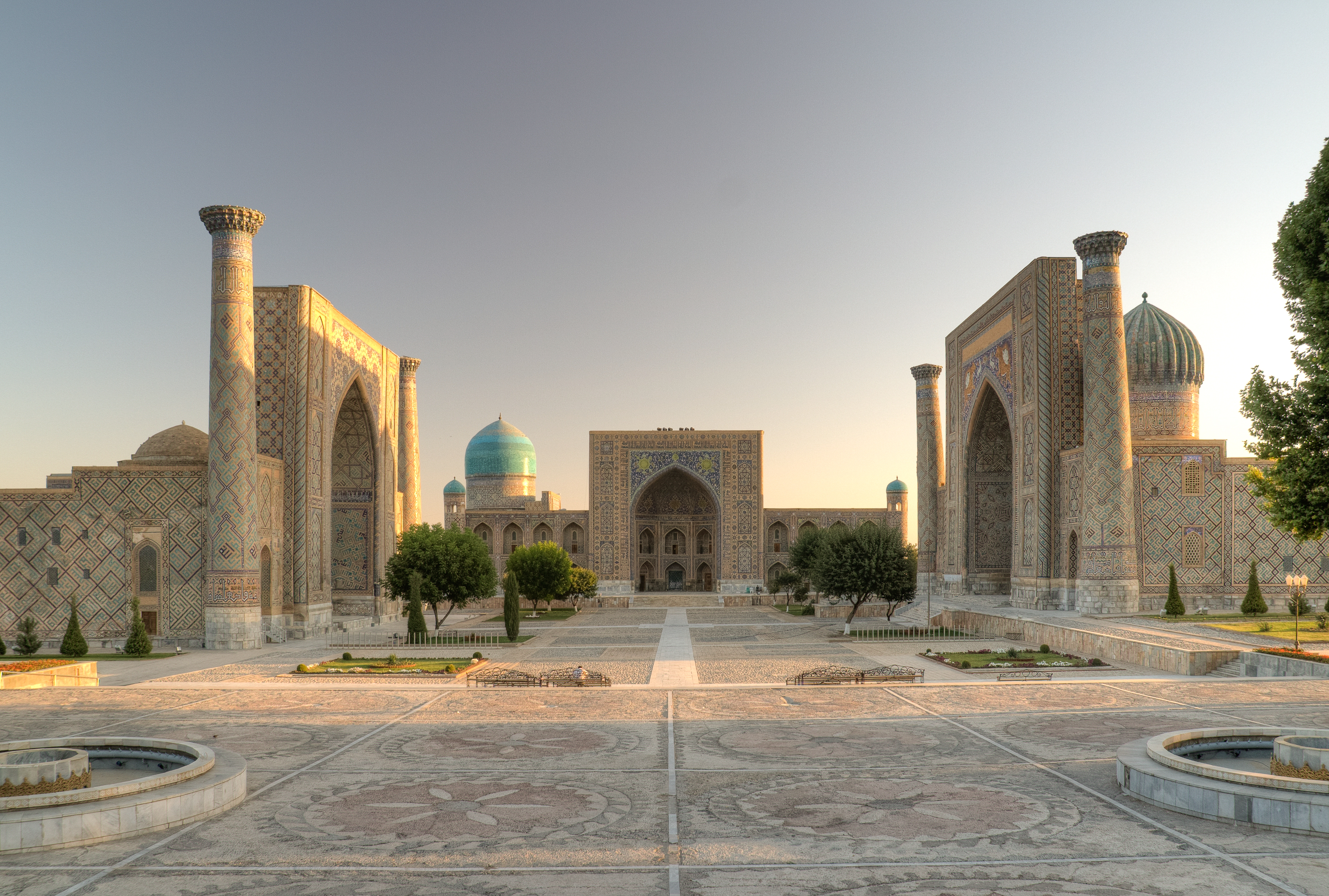
The Registan in Samarkand is home to some of the most ornately decorated mosques and maddrahs. Samarkand was an important outpost on the Silk Road.

            We’ve all got bucket lists. There are things we want to do before we die. In this blog series, I will outline my travel bucket list. I know. I’ve travelled a lot and yes there are places I want to see.

            I will start with 5 “Stans” of Central Asia.

            For thousands of years, traders from Asia to Europe have used the Silk Road to practise commerce. The Silk Road gets it name from the lucrative silk trade that existed as far back as the Han Dynasty (207 BCE to 220 CE). During this period, the Han Dynasty extended the trade route into Central Asia. Eventually, as various empires rose, the Silk Road extended gradually and ends in Turkey.

            My bucket list trip would be the portion of the Silk Road that covers the five ‘Stans’ — Turkmenistan, Uzbekistan, Tajikistan, Kyrgyzstan, and Kazakhstan.

            Steeped in tradition and old world charm, this area of the world takes you back through the centuries and millennia to a simpler time.

            Planning for this trip is in the very early stages with no set date in mind. Hopefully, I will do it in the next one or two years.

            One of the early obstacles I have seen is the fact that Turkmenistan refuses to make things easy, opting to make visa processes a bureaucratic nightmare with Soviet-era policies.

            It is one of the few remaining places where you need a letter of invitation which takes up to three weeks to acquire and then you can apply for the visa which takes another three weeks.

            Fortunately, the rest of the countries have recognised that tourism is a viable industry and either have waived visas for most western nations or require an e-visa (Tajikistan).

            A trip of this magnitude would require about three weeks to see the great sights along the way.

            The part to which I look forward the most would be Buhkara and Samarkand in Uzbekistan. The road between the two has been immortalised in James Elroy Flecker’s 1913 poem.

            Samarkand is renowned for its Registan Square with ornately decorated mosques and madrassahs.

            In Turkmenistan, there is the ancient ruins of Merv, a UNESCO world heritage sight and oasis on the Silk Road. Some of the Bronze Age areas of the oasis date back to 2500 to 1500 BCE. The city was sacked by the Mongols (1370 to 1405 and eventually became part of Tamerlane’s Uzbek empire.

            Branching out into Tajikistan and Kyrgyzstan leads to the rugged beauty and wilderness that formed one of the most desolate parts of the Silk Road. To this day, these areas are still a challenge for truck drivers as they use modern means to move goods.

Potential itinerary

  • Day 1: Arrive in Ashgabat, Turkmenistan
  • Day 2: Ashagabat sightseeing
  • Day 3: Day trip to Mary and Merv
  • Day 4: Travel by road on to Khiva, Uzbekistan
  • Day 5: Khiva-Urgench sightseeing
  • Day 6: Travel by road to Bukhara
  • Day 7: Bukhara sightseeing
  • Day 8: On the road to Samaritan
  • Day 9: Samarkand-Shakhrisabz sightseeing
  • Day 10: Travel to Tashkent
  • Day 11: Tashkent sightseeing
  • Day 12: Travel by road to Dushanbe, Tajikistan
  • Day 13: Dushanbe sightseeing
  • Day 14: Travel by air to Almaty, Kazakhstan
  • Day 15: Almaty sightseeing
  • Day 16: Travel by road to Bishkek, Kyrgyzstan
  • Day 17: Travel out to Karakul via Issyk Kul
  • Day 18: Return to Bishkek via Cholpon Ata
  • Day 19: Departure from Bishkek

Considerations:

         The easiest way into the region would be either on Turkish Airlines or Lufthansa. Each of the countries have their own airlines, but Turkish and Lufthansa have more worldwide connections that can get you into the region with one stopover in Istanbul, Frankfurt, or Munich.

         You can either do this through a travel agent or on your own. The area is stable enough that self-guided travel is an option. You need to arrange for transfers by road between some of the cities which means hiring taxis or shared rides. Airfares are easy enough to organise within the countries. I probably wouldn’t recommend a group tour because this is an area rich in history and somewhere you want to experience for yourself. Therefore, either self guided travel or a private tour where it is only you and your travel partners would be the best options.