Another big expense you have to budget for in Japan is food. Japan has food option s ranging from a few pounds to thousands of pounds.
One of the things I do is change the way I eat. I have my large meal at lunch because the lunch and dinner menus at most restaurants are the same but the dinner menu is three times the price of lunch.
Another option is the famous ramen house or Izakaya.
An Izakaya is a Japanese pub that provides food and alcohol. Don’t feel intimidated if all the signs and menus are in Japanese, the people who go there or work there will help you make your dining choices.
Prices in Izakayas tend to be quite inexpensive and full of character.
There is one Izakaya in Tokyo that you enter at your own risk. Bar Kagaya is run by Mark Kagaya and can be best described as cross between a trip through Alice’s Wonderland and a scary puppet show.
This YouTube clip will give you an idea of the madness that goes on in Bar Kagaya. If you are interested, call ahead for reservation because it fills up fast.
Be warned. This video is not for the feint of heart.
Ramen houses are plentiful and the food is great and filling. Two of the biggest chains in Japan are Afui and Ippudo Ramen. But if you want a unique experience, try one or both of the world’s only Michelin starred ramen restaurants.
Tsuta and Nakiryu have been awarded Michelin stars and are extremely popular. Both are very small restaurants with about 8 seats so you have keep a few things in mind when trying to get a seat.
Tsuta requires diners to come to the restaurant near the Sugamo tube station between 7 and 8 a.m. to collect a colour coded ticket. The ticket is acquired with a refundable 1,000 yen price. The colour of the ticket corresponds to a one-hour window between 11 a.m. and 3 p.m. or 5 to 8 p.m. The restaurant is closed on Wednesdays. When you return at your appointed time, you get your 1,000 yen back which you can use towards your food. The signature bowl costs about 1200 yen or about £10 which is an excellent bargain for a Michelin star restaurant.
Nakiryu is near Otsuka station and is known for its Dan Dan spicy ramen. They are open 11:30 a.m. to 3 p.m. and 6 to 9 p.m. everyday and closed on Tuesdays. The process for getting a seat is different from Tsuta. You need to get to the restaurant at about 10:30 a.m. and get in line. If you get there at opening, you will be in line for a couple of hours. The pricing is similar to Tsuta.
If you fall in love with Tsuta and Nakiryu, and you will, you can buy instant noodles made by those chefs which are available in convenience stores around Japan. The instant noodle version costs about £4. While they aren’t as good as the real thing, they are a far sight better than the £0.25 ramen you get in the UK.
7 Eleven, Lawson’s, Family Mart
Speaking of convenience stores, a great place for a cheap lunch or dinner is a Japanese convenience store. The big three are 7 Eleven, Lawson’s, and Family Mart. If you have ever been to a 7 Eleven in the U.S., you know all they sell is high sugar drinks and bad fast food.
But convenience store food in Japan is better than the prepared meals in supermarkets in England. You can get ramen bowls, sushi, sandwiches, bento boxes, and noodles or rice dishes.
The stores have microwave oven so you can warm up your food and take it back to your hotel. There are so many of these shops that you aren’t far from one anywhere in Japan.
Each store has its specialty. 7 Eleven is known for its hot food and drinks. Lawson’s is best known for its fried chicken, nuggets, and baked goods. Family Mart has a vast array of hot and cold drinks.
Egg sandwiches are common to all and are truly amazing. They are unlike any egg sandwich you have eaten before and you will become addicted to them.
Lawson’s has a soft bun with chocolate marbling. These are very addictive too. I have lost count of how many egg sandwiches and chocolate marble buns I have eaten during my trips to Japan.
While all hotels have a kettle in the rooms for tea which you can use to boil water for ramen, some also have microwave ovens if you want to heat up food.
Here is an approximate breakdown of a typical food day for me in Japan:
- Breakfast: sandwich, pastry, and drink: £5
- Lunch: Typical Japanese fare: £10
- Dinner: ramen/bento box, pastry, and drink: £7
From that breakdown, I spend about £22 a day on most days. But that doesn’t mean you can’t splurge on certain meals.
Thanks to the Olympic preparation in Tokyo, the iconic Tsukiji fish market has shuttered. However, it has reopened as the Toyosu Market about 2 km away in Tokyo’s Koto Ward with Shijomae Station on the Yurikamone Line being the closest tube station.
The market is free to visit and open to the public from 5 a.m. to 5 p.m. where you can try some of the freshest sashimi you can find. Two iconic restaurants in Tsukiji have reopened in Toyosu. Sushi Dai and Daiwa Sushi continue to serve up the best sashimi in the market.
Now here is the catch. Both restaurants open from 5 a.m. to 2 p.m. Because they are both small restaurants you will need to line up. If you get there after 7 a.m. you will be standing around for a long time. When I went to Daiwa Sushi, I got there at about 5:30 a.m. and got in at just after 6 a.m.
The breakfast meal consists of eight pieces of sashimi and one extra of your choice for about £25. Breakfast for £25? Well, if you can find sashimi as fresh as what is served in Sushi Dai or Daiwa Sushi in the west, you will probably spend at least 5 times that price.
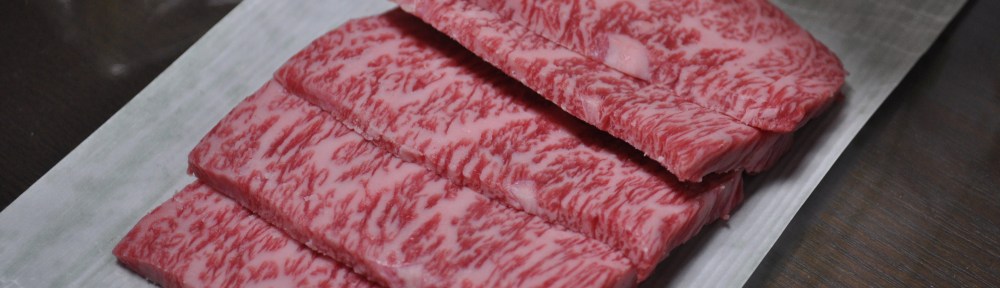
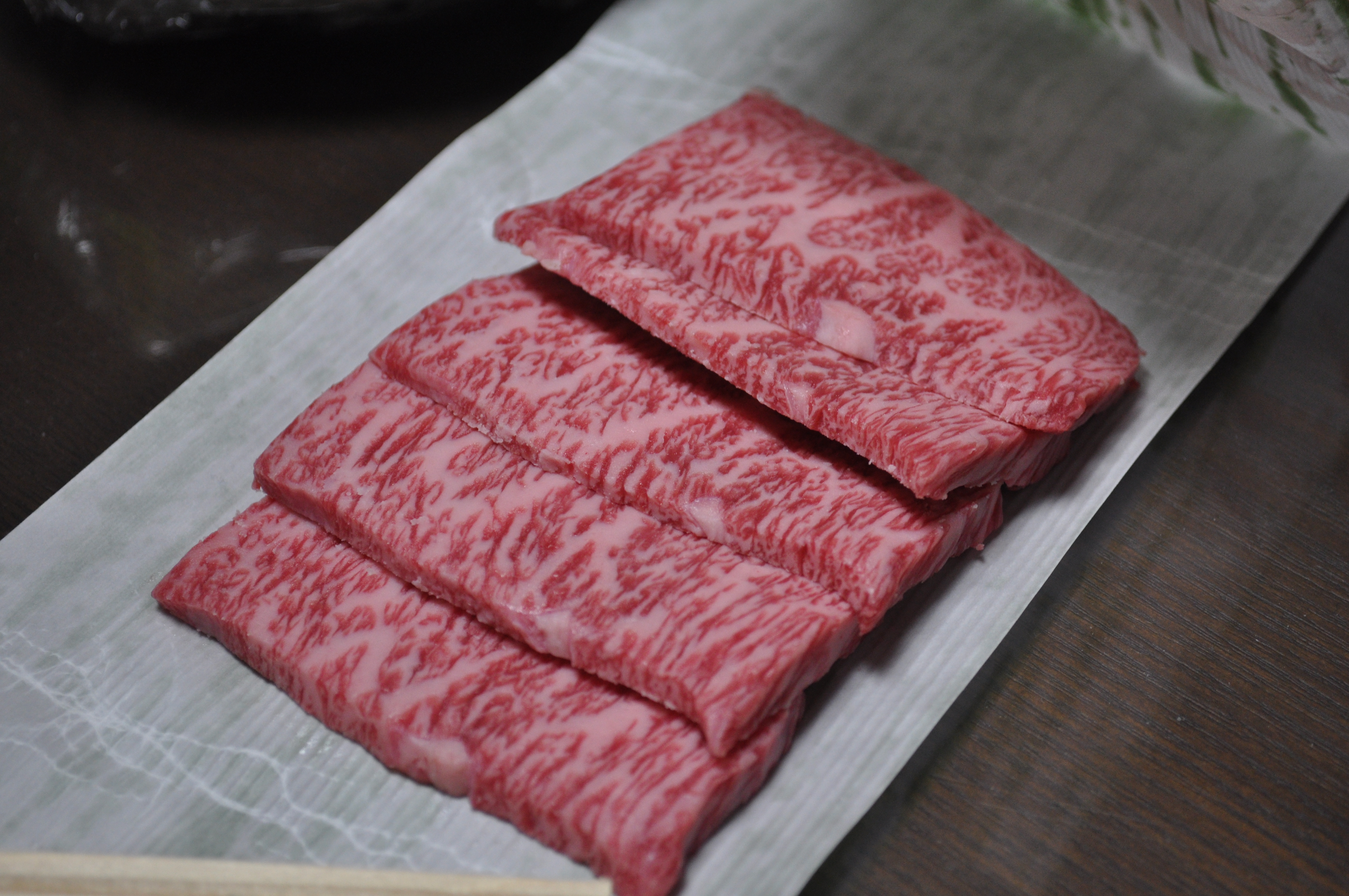
Another splurge item in Japan is the beef. Japanese beef is world renowned with Wagyu leading the way. Wagyu refers to any of the four main breeds of beef cattle in Japan: Matsusaka, Kobe, Mishima, and Omi.
Japanese beef is extremely expensive because of the fatty marbling that leads to the most tender steak you will ever eat. Marbling refers to the fat content in the beef. The more marbling the better. The top grading for Wagyu beef is A5.
This is where the focus on lunch comes in handy. At some of the top steakhouses in Japan, the lunch menu will probably cost about £50 while dinner is closer to £200. Again, a Japanese Wagyu steak on this side of the planet would be more than £200.
Now that we have covered food, I will complete the series by pointing out two amazing sights in the Tokyo area that most people never think to visit.
 Taking the road best travelled