We’ve been through it before. You go to a well known city, head to the sights we’ve heard of, and find about thousand other people there most likely infringing on you trying to take photographs.
In this post, I am going to point you in the direction of two really interesting sights that little to no one visit. The first is a place that epitomises the cultural identity of Japanese and the second is taken from popular culture.
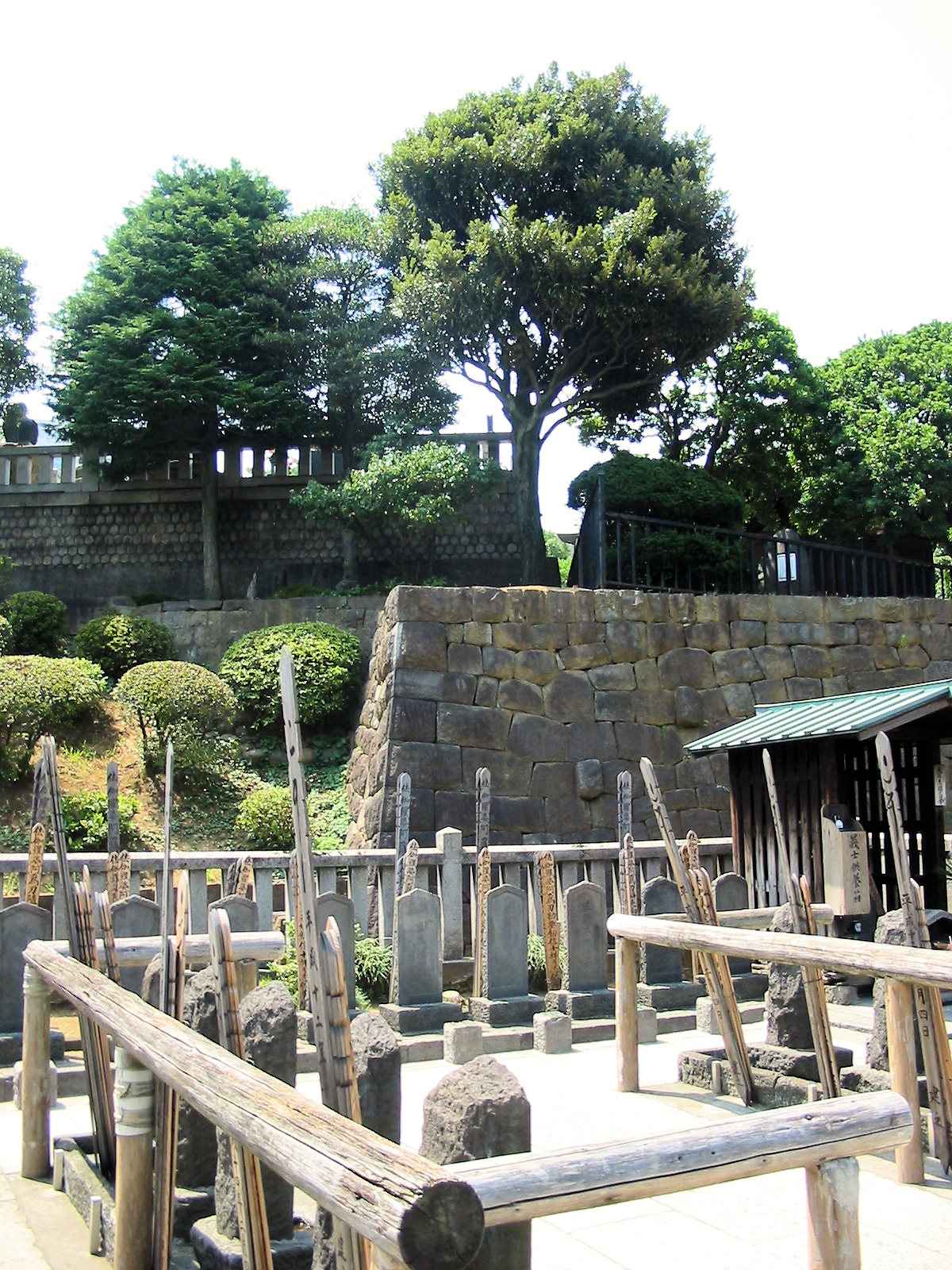
The tomb of the 47 Ronin
Japan’s greatest tale is the story of the 47 Ronin. This story occurred in 1701 in Edo, the site of modern day Tokyo. Two shogun leaders (daimyos) — Asano Naganori and Kamei Korechika — were tasked with organising a reception for a representative of the Emperor of Japan.
A powerful government official named Kira Yoshinaka took a dislike to the daimyos. The reason for the dislike is not clear it was either because the samurai didn’t present him with enough gifts, they didn’t offer bribes he wanted, or that he was just plain arrogant. Sort of reminds you of a current world leader doesn’t it?
Kamei lost patience with Kira and vowed to kill him for dishonouring the samurai but his consorts managed to avert disaster and they appeased Kira with a very large bribe which led to better treatment of Kamei by Kira.
But the poor treatment of Asano continued. It got to the point where Kira uttered a serious insult to Asano which led to the samurai attacking Kira in the palace and wounding his face.
The punishment for attacking a shogunate official in the shogun palace was completely forbidden in the Edo Palace. Asano was ordered to remove his smaller Katana blade and commit seppuku, suicide in which the samurai takes his smaller blade and disembowels himself. In the samurai world, an honourable death is by suicide.
The result was that the 300 samurai whom Asano led were left leaderless or ronin. Out of that group, 47, led by their leader Oishi, vowed revenge.
While revenge was forbidden, Kira’s security protection was fortified which meant that the 47 ronin had to bide their time before killing Kira.
The ronin went back to being farmers while Oishi became an alcoholic, living in Kyoto brothels, and divorced his wife (this was so no danger could come to her once they carried out their attack).
In the meantime, Kira had spies observing Oishi and once he appeared to have allowed alcohol to consume him, the spies reported to Kira. It took two years for Oishi to be convinced that Kira had let his guard down.
In early winter, Oishi and the rest of the 47 ronin launched their attack on Kira in his Edo mansion. Two groups laid siege to the mansion with Oishi leading one group and his son, Oishi Chikara leading the other.
With consideration to Kira’s high rank, Oishi knelt, addressed him with the highest respect, and told him that they were here to avenge Asano’s death. Oishi offered Kira a samurai’s death or for him to behead Kira in samurai tradition.
When Kira refused to respond, Oishi ordered his men to hold down Kira while Oishi beheaded him. Oishi sent one of the ronin the to Ako to announce the revenge was complete while the other ronin marched to their master’s tomb in Sengakuji with Kira’s head. At the tomb, they washed the head in a well and presented it and the dagger to Asano’s grave.
The shogunate had a dilemma: On one hand, the samurai were correct to avenge the death of their leader, but on the other hand, they killed a high ranking member of the shogunate. Despite support from the people, the ronin were sentenced to death. The dilemma was resolved by allowing the ronin to commit seppuku like their master.
They were buried in front of Master Asano’s tomb.
Today, you can visit this sight.
It is a sight of great veneration and honour among Japanese people. It is not a touristy sight. It is a place for quiet reflection and to honour the legacy of these truly great men.
Just outside of the gleaming ultramodern skyscrapers in the Shinagawa Ward of Tokyo is the Sengakuji temple. It is located near the Sengakuji tube station on the Keikyu Line. Come out of the station, turn right and cross the road and keep walking straight and you will come to the temple. It is free to visit the tomb and you can pay a small fee to see the museum which houses the clothing the 47 wore that night and a copy of a receipt made for Kira’s employees who came to collect his head for burial.
Horror house is eerie even in the daylight
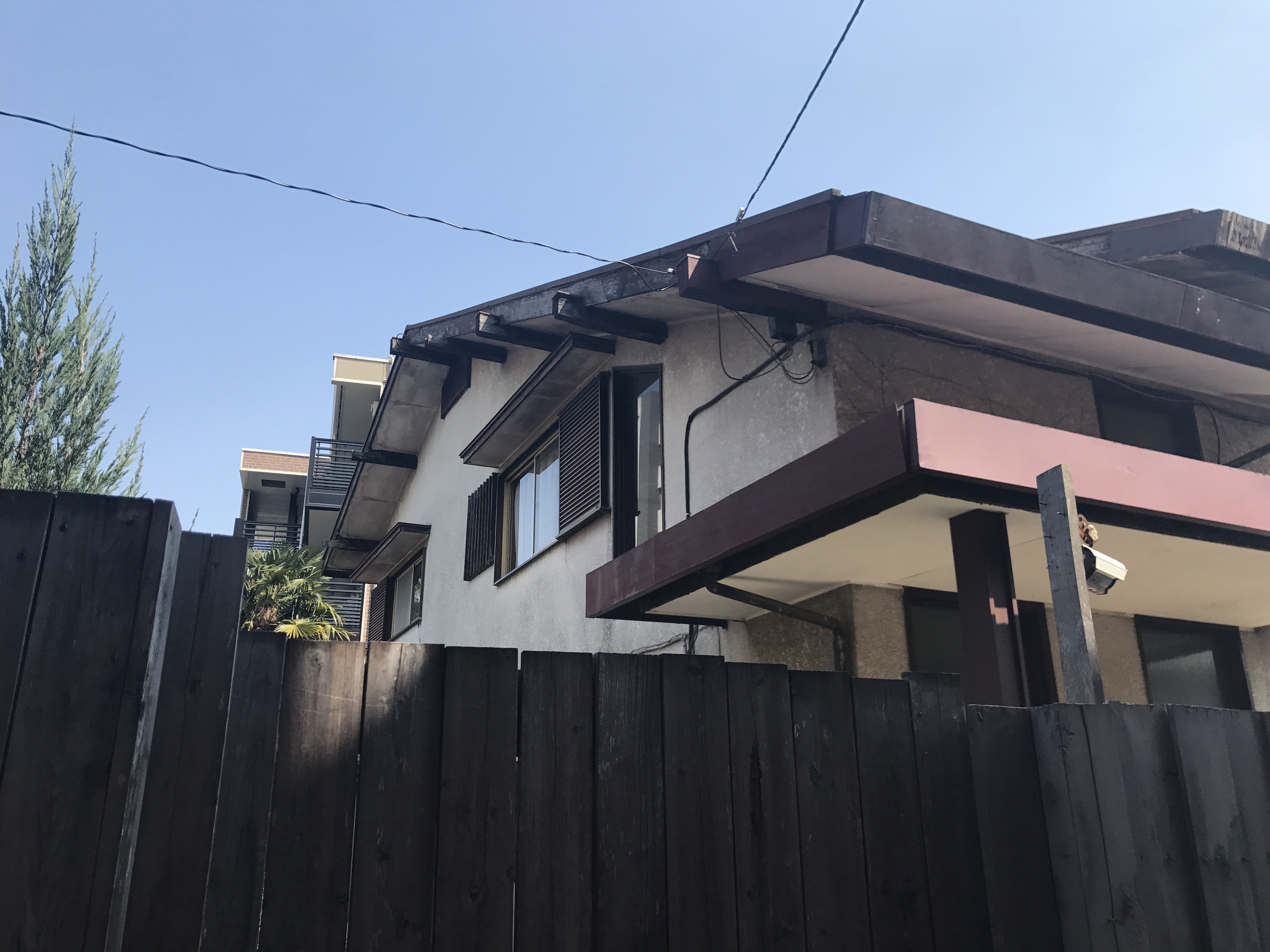
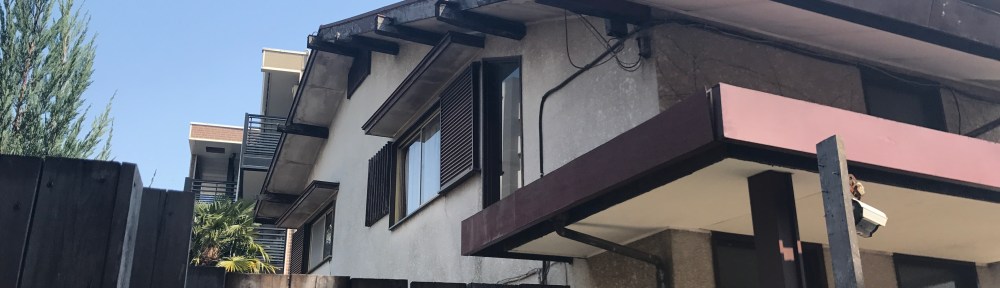
Are you familiar with the film Ju-on: The Grudge? No, not the bad American remake. I’m talking about the Japanese original.
The plot is about a house haunted by a ghost in a state of rage after the murder of a wife and child by a husband who also committed suicide. In the film, everyone who comes into contact with the home dies.
The house used in that movie is located in Tokorozawa in Saitama about 45 minutes suburban train ride north of Tokyo. You can travel to Tokorozawa station from Ikekebukoro station in Tokyo.
From the station, it is about a five-minute walk through a street lined with restaurants and down some alleyways.
If you are a horror film fan, it is worth the journey.
In the film, the ghost of the little boy, Toshio, is often accompanied by a cat. When I went to visit, as I turned on to the lane the house is on, a black cat came running across the path.
So this concludes the Japan series. I will continue to write other blogs about other places I have visited.
 Taking the road best travelled