New Series: Planning for India leads to fewer headaches, bad surprises

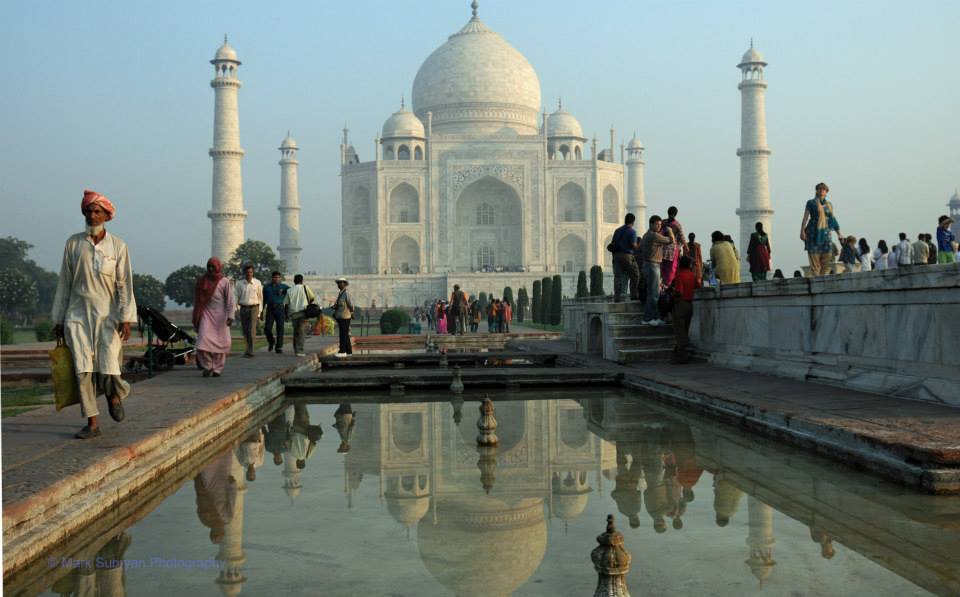
The Taj Mahal is the most iconic sight in India. Located in Agra, hundreds of millions of people visit the tomb every day.

            One of the most visited countries in the world is India. It offers mystery, folklore, ancient civilisations, cuisine, and so much more. For my next blog series, I will focus on India as a traveller’s dream.

            I will go from the perspective of creating a bespoke holiday because, unless you are a very savvy traveller, you will need help navigating India’s bustling streets, overflowing infrastructure, and the culture shock.

            This is based on my Indian journey in 2011 which I took with my parents and a family friend. At the time, I was still living in Canada when I planned this journey.

Best time to go

            We decided the best time to go would be in October around the Canadian Thanksgiving. It was not quite high season in India which meant prices would be a bit cheaper than a few weeks later. The high season in India tends to be late October to mid-March when the temperatures begin to rise into the 40s. This is when most people will visit India when it is “pleasant” in the 30s.

Air travel

            I had been reading all about how great Emirates Airlines were back in those days. They had made air travel great again (wink, wink). At the time, they were beginning to roll out their superjumbo Airbus A380 on several routes, but they were still flying the Boeing 777 to Toronto. So, we decided to fly with them though Manchester and to include a short visit with my sister and see the babies Jasmine and Oscar.

            We decided to fly business class on this flight which, at the time, was very reasonable. This was when Emirates was undercutting the competition by offering fares competitors couldn’t match. Now, they offer high fares and their service suffers greatly. A perk of flying Emirates business class is the chauffeur drive programme where they send a car to pick you up. In the Manchester area, it is a 50-mile radius which meant Sheffield was well within the zone.

Entry into India

            For this one, I did a lot of homework at night to try and understand how the optimise our time in India. The vast majority of people who go to India will need a visa. So I started looking into the process which required filling out an online form, printing it, taking it and your passport to an office and getting your passport and visa back in about two weeks. Today, it is much simpler with an e-Visa where you buy the visa online, print the PDF, and carry it with you. It usually takes a few hours to get an e-Visa.

Researching

            Based on my research, I knew that India was way too big to see in a three-week trip and that I would have to limit it to a region or two. With life, we have no guarantees which means seeing the most iconic areas on your first trip. That meant including the Golden Triangle (Delhi, Agra, and Jaipur) on this trip. The vast majority of people who visit India will visit this region first. What you do beyond that makes your trip special.

            I also felt that we should visit the former colonial capital of Kolkata, as well as the northern Islamic city of Lucknow on our trip. Because my grandfather was a practising Hindu, we felt Varanasi should be put on the trip.

            So now with Delhi, Agra, Jaipur, Kolkata, Lucknow, and Varanasi in mind, we had the skeleton of a trip and I started to look at suggested itineraries that people have posted on Lonely Planet, Tripadvisor, and other travel websites. I kept seeing people talk about certain travel companies that specialise in Indian tours that will put together a formal trip with hotels and internal transportation. I chose the British-based company Cox and Kings for advice on the trip. Other companies that are very reputable that would provide similar services include Greaves India, an American and British-based company that we used on our second trip to India; Kuoni, a British agency with offices across the country, and; Wild Frontiers, based in London.

            These operators have people who are experts on the areas you are interested in visiting who work exclusively with Indian tour operators, are very familiar with India, and will ensure that your holiday is exactly what you wanted.

            Basically, I worked with a dedicated tour agent to fill in the blanks on my skeleton plant. He advised four additional places that would help create a smooth transition especialy because this trip was from the east to central Indian. He added in Khajuraho, Orchha, Ranthambhore National Park, and Ramathra Fort.

            Khajuraho is the site of several ancient temples similar to what you would see at Angkor Wat in Cambodia. It is a very small village that is only known for the temples which means an overnight stay is all you need. We flew into Khajuraho from Varanasi and made our way through the rest of the trip by van from Khajuraho.

            Orchha is a medieval town in Madhya Pradesh. It is best known for for its fort. We stayed for two nights at the Amar Mahal, a small hotel laid out like an Indian palace with views overlooking the town below.
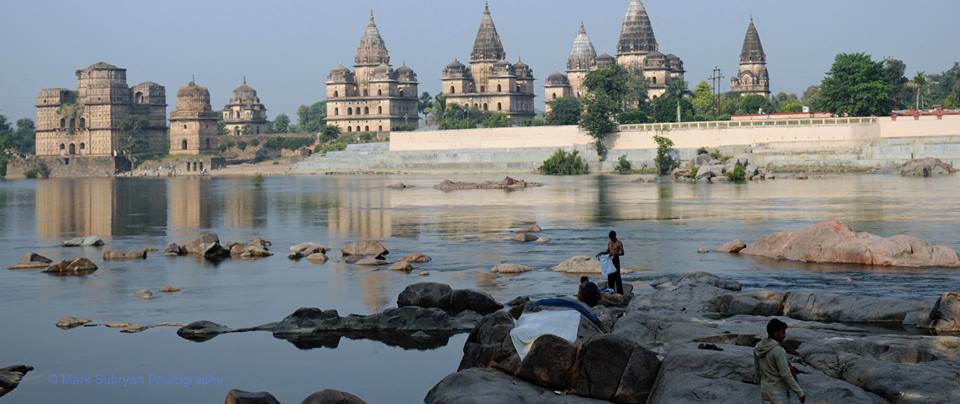
The medieval town of Orchha is known for palaces and forts and takes you back in time.

            Ranthambhore National Park is in Sawai Madhopur in Rajasthan and a tiger reserve. It is one of the few places in the world where you can view Bengal tigers in the wild — if they are out. They tend to hide away in the foliage. We stayed at the Vivanta by Taj Sawai Madhopur which is a five-star hotel that used to be a hunting lodge. Getting up at 5 a.m. having a snack of biscuits and tea or coffee before climbing on board a jeep and trekking into the forests transports you back to the days of the Raj and gives you an idea of what it might have been like to be in that era.

            My favourite was Ramathra Fort. It is a place that, unless you know about it, you probably won’t even know it’s there. Ramathra Fort is in Karauli, Rajasthan, about 200 km south of the Agra to Jaipur highway. The further off the beaten track you get the more rugged the drive until you come to a part where one gravel lane serves two directions of traffic. Imagine a heavy goods truck and a small van trying to get by each other with 20-foot dead drops on their side of the road. But the journey is is worth it when you arrive at the Fort which is a hotel with two suites and eight luxury tents, when you climb up on the rampart wall, look out at the mustard fields and see no one. Other than the sounds of animals around you, it is peace and quiet which is even more amazing when you consider that just north of you is that Golden Triangle with millions and millions of people, bustling traffic, and non-stop activity.

Tips for planning India

  • India is one of the places I would recommend you do not cut costs;
  • Five-star hotels in India are not that expensive. You can find great hotels in the five-star range from less than £100 per night.
  • Northern India is very different from Southern India which I will get to in the next post. Where the south is more laid back, you will be inundated by beggars and touts in the north and they are relentless. In fact, when they approach you, you shouldn’t even look at them much less say anything. “No or no thank you” does not work with them.
  • A combination of transport types will allow you to experience India in dfferent ways. We did flights, train, and road travel.
  • Always remember to drink bottled water. You should use it to brush your teeth as well. Caution is a good thing.
  • Remember to consult a travel clinic before you leave to make sure you have your inoculations.
  • Go vegetarian for the first few days of your trip to ease the Delhi belly.
  • Avoid street food as much as you can. See previous point.
  • Accept that your tour operator in India, tour guide, tour manager, driver, etc., make a fixed small wage and top up their pay with commissions. This means you will be taken to clothing shops, souvenir shops, perfumeries, etc. to buy things. Every purchase you make means a commission for them.
  • Tipping can be almost as expensive as your journey when you consider that you will have to tip your tour manager, tour guide, driver, and driver’s assistant. Rule of thumb is that the tour manager gets about £10 to £20, your tour guide gets about £8 per day per adult on the tour, £10 per adult per day goes to your driver, and £2 per adult per day to your driver’s assistant.

            In Part 2, I will outline the planning for the second journey to India which I did in 2013. Subsequent parts of the series will outline various places I visited and which are highly recommended.
Viva la revolucion: Following Che’s motorcycle journey of enlightenment

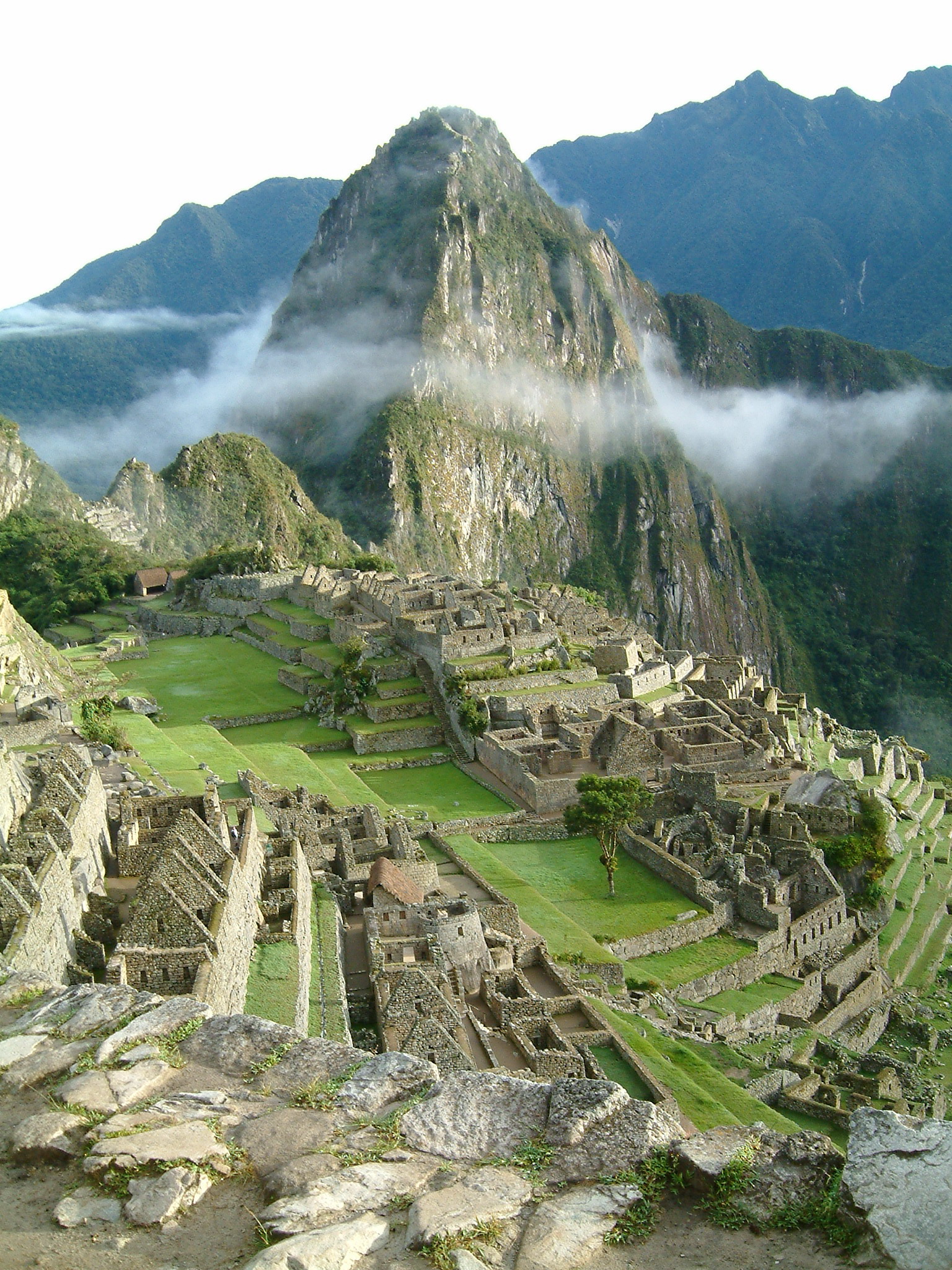
The majestic Machu Picchu was one of the major stops on the journey of enlightenment.

         In January 1952, a 23-year-old medical student and his 29-year-old biochemist friend set off from Buenos Aires, Argentina to see South America. On the back of a 1939 Norton 500cc that was one pothole or so from the junkyard, the two men set off on an odyssey across the Andes, through the Atacama Desert, and into the Amazon River Basin.

         This nine-month journey across a continent was much more than an end-of-school holiday because along the way the young medical student witnessed first-hand the social injustices poor mine workers, lepers, and the at-risk descendants of a once-might Incan kingdom. This journey represented a profound paradigm shift in our protagonist because this was the story of the formative years of the great revolutionary, Ernesto “Che” Guevara.

         My third bucket list trip would be to retrace the South American portion of Che’s journey of enlightenment.

         Che Guevara and his friend, Alberto Granado, began their journey in Buenos Aires with the idea of ending at a leper colony in Peru where they could help the affirmed with their medical skills.

         The travelled to Miramar where Guevara’s girlfriend was spending the summer. And, being a man in love, the two-day stop turned into eight.

         Eventually leaving Miramar, the pair made it to Bariloche which was their last stop in Argentina before crossing the border into Osomo, Chile.

         They continued on towards larger towns and cities until they passed through Santiago and Valparaiso.

         The first important stop in Che’s journey of enlightenment was Chuquuicamata Calama, one of the world’s largest open pit copper mines. It was here that Che met a homeless couple.

         Of the couple, Che wrote: “By the light of a single candle … the contracted features of the worker gave off a mysterious and tragic air … the couple, frozen stiff in the desert night, hugging one another, were a live representation of the proletariat of any part of the world”. (

         The pair would then cross over to Peru at Tacna before moving on to Torata.

         Here, Che wrote: “A beaten race watches us pass through the streets of their town. Their stares are tame, almost fearful, and almost completely indifferent to the outside world. Some give the impression that they live because it is a habit they can’t shake.”

         This vivid description of a people who had lost the will to live was part of Che’s baptism by fire from the shielded privileged middle class world to which he was accustomed to the stark reality of the world of the disadvantaged.

         They continued their path on to Machu Picchu and the first signs of Che’s disdain for the capitalists as evidenced by his reaction to the American tourists who had come to climb the mountain.

         The continued on through some small towns before they were side-lined after Che’s asthma forced him into hospital. Eventually they got back on the road and made it to Lima.

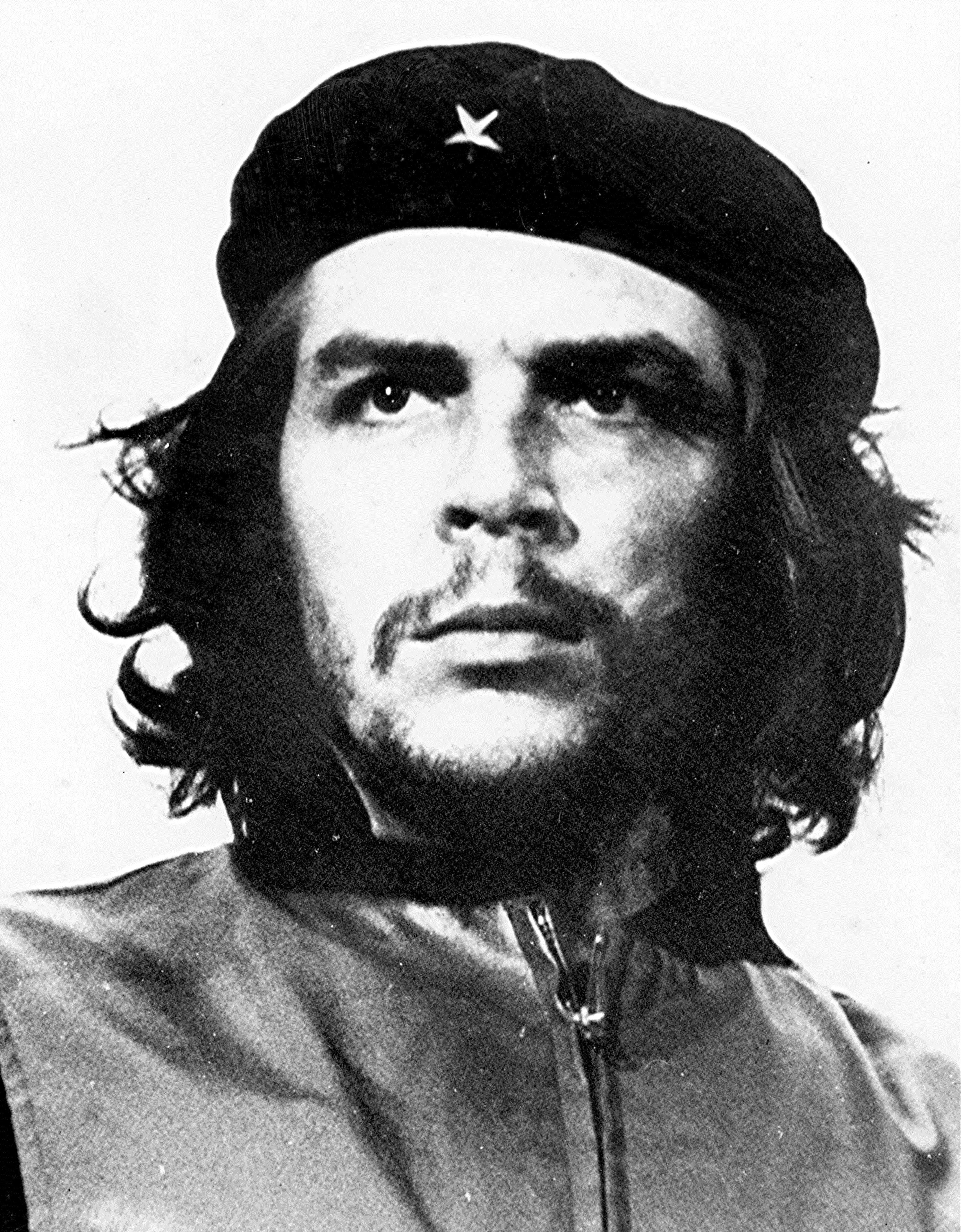
Ernesto Che Guevara

         In what can only be seen as an ironic twist, on 1 May (Labour Day), Che met a Marxist scientist named Hugo Pesce with whom he conversed in what Che readily acknowledged to be the conversations that led to his evolution in attitude towards life.

         By the time Che and Granado arrived in Iquitos, asthma forced Che to rest for six days. They then moved on to a leper colony at San Pablo de Loreto where he saw there was a shortage of clothing, food, and proper medical supplies for the lepers.

         By July, the pair made it up to Bogota, Colombia where Che witnessed how the disenfranchised were being alienated by the right wing government. In a letter to his mother, Che wrote: “There is more repression of individual freedom here than in any country we’ve been to, the police patrol the streets carrying rifles and demanding your papers every few minutes.”

         This marked the end of the South American journey and Che’s political odyssey.

         Back in the 1950s this would have been a nine-month journey, but today it could probably be done in half the time. Better transportation infrastructure, more choices for transit, and better roads would mean a better journey.

         But surely, if I wanted to retrace the revolutionary’s footsteps I would need to do so on bike, wouldn’t I?

Do your homework before you travel to Japan

A Japan Airlines Boeing 787 taxis on the apron in this file photo. JAL is the national flag carrier of Japan. It is one of two five-star carriers in Japan as rated by Skytrax.

            Most international travel starts with a flight. Therefore, this Japanese vacation plan will start by helping you to plan for how you will arrive into Japan.

            The debate is still open on booking fights directly with airlines or using online travel agents. Each is not without its horror stories, but I have always booked with airlines and never had an issue.

            One thing I would do is check with airfare aggregators to get an idea of the costs. Two of the best I use are Kayak and Skyscanner. Both sites trawl the internet for airfares and will find sales and discounts to give you the best price as well as the airline price. Kayak also offers a service where they can speculate on the trend of an airfare and advise you if they think the price will decrease or increase.

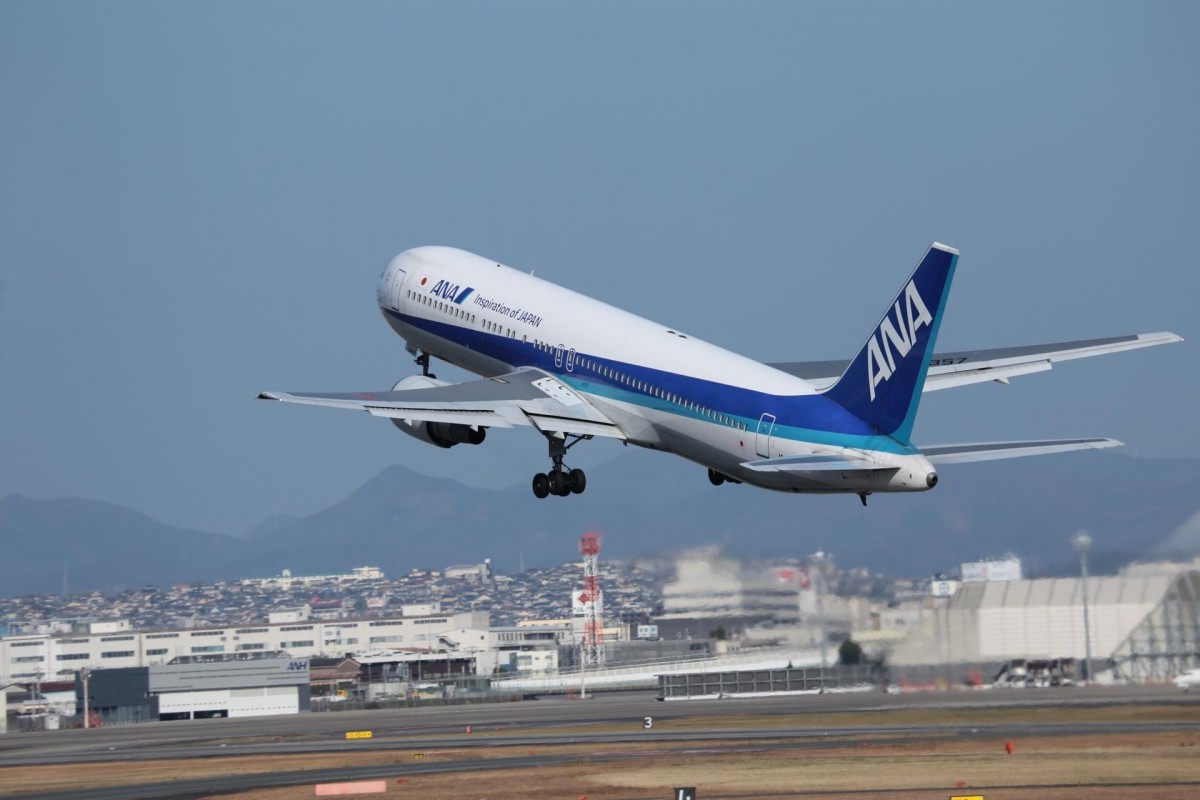
            When flying into Japan, you have a lot of choices. Japanese carriers Japan Airlines and All Nippon Airways fly to major destinations in Europe, North America, and Oceania. Legacy carriers from the U.S., Canada, England, Germany, France, Netherlands, Austria, Russia and Scandinavia also offer several flights. Asian carriers from Hong Kong, China, Thailand, Malaysia, Philippines, Indonesia, and Singapore add to your choices while Oceania carriers from Australia and New Zealand are also in on the fun. And let’s not forget the big three of the Middle East.

            One suggestion I can put forward, especially for European travellers, is Finnair. Although Finnair is small compared to the giants of Europe, they offer flights to Tokyo, Osaka, Nagoya, Sapporo, and Fukuoka. In Tokyo, they use Narita Airport. What sets them apart from the more established carriers is that they use the ultra-modern Airbus A350-900XWB jets and they are the shortest flight option from Western Europe. For the purposes of illustrating this point, I will use Manchester Airport in the UK as a starting point. There are no direct flights to Japan from Manchester, therefore, you will connect somewhere either in Europe, the Middle East or Asia. Flight times tend to be 15 to 16 hours on these routes, not including the layover for connecting flights.

All Nippon Airways is Japan’s other legacy carrier and also a five-star airline as rated by Skytrax the industry leader in airline evaluation.

            Finnair from Manchester is about 12 hours. It is about a 2.5-hour flight from Manchester to Helsinki and then 9.5 hours from Helsinki to Tokyo.

            I have flown on Cathay Pacific’s Airbus A350 before and it is the best airplane for ultra-long haul flights. The planes are made with composite materials and don’t rely on heavy pressurisation of the cabins. This means you can get some rest and your nose does not feel as dry as the Sahara when you arrive at your destination.

            Another bonus for selecting Finnair is that the codeshare with Japan Airlines which means you can possibly have a booking with Finnair on the Manchester to Helsinki segments and JAL on the Helsinki to Tokyo flights.

            If that is your choice, JAL uses the Boeing 787-9 on the route which is the competing airplane to the Airbus A350 and has similar features to ensure a better flying experience.

            Flight prices to Japan from Manchester are about £600 (economy), £1,000 (premium economy), £2,500 (business), and £4,000 (first).

            There are some tips you can use to help make the airfare cost more bearable:

  • Plan your trips outside of peak travel times in Japan. There are three peak seasons in Japan: Golden week (late April to early May), school holidays (July/August), and New Years.
  • Airlines tend to hold seat sales from just after Christmas Day through January. I have seen business class flights on JAL via Helsinki for as low as £1,800 during this time.
  • Consider a tour package because tour operators are able to offer you flight prices much lower than you can find. But this is probably not an option if you prefer to head out on your own in Tokyo.
  • Consider flying to a nearby Asian country and using one of their low cost carriers for the rest of the way.
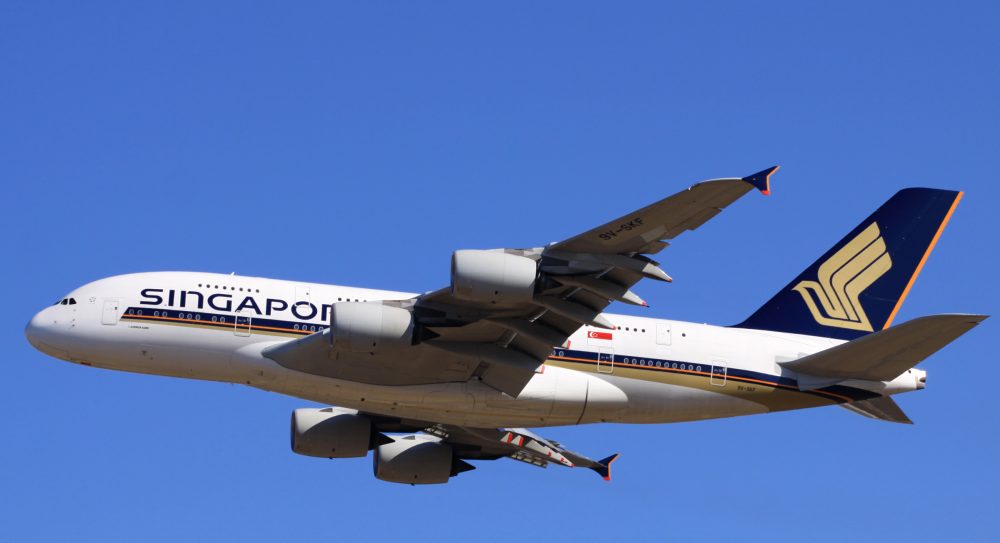
  • If you subscribe to an airline alliance points programme, you can get flights for very cheap or at a discount depending on how many points you have already accrued. The three main airline alliances are Star Alliance, Oneworld, and Skyteam. Star Alliance major carriers include ANA, Lufthansa, Singapore Airlines, Thai Airways, EVA Air, Air China, Air India, Air Canada, and United. Oneworld carriers are JAL, Cathay Pacific, Malysian Airlines, British Airways, Finnair, and American Airlines. Skyteam includes; KLM, Air France, China Airlines, China Southern, Garuda Indonesia, and Korean Airlines.

Haneda versus Narita

            As I have stated before, there are two airports in Tokyo with Narita being in Chiba Prefecture, about 60 km from central Tokyo.

            Narita was set up as Tokyo’s international airport with Haneda handling mainly domestic flights. However, in the past decade or so, more international flights are landing at Haneda and it is a great option because it is between Tokyo and Yokohama.

            At 10 km from central Tokyo, it is a much better option especially after a long flight.

            The best part is that within 15 minutes you can be in central Tokyo if you take either the Tokyo Monorail to Hamamatsucho Station or the Keikyu Line to Shinagawa Station.

            Hopefully this information and the tips will help you to get a better understanding of how to get to Japan. In the next blog, I will explore rail travel and the discounts available to you.