In January 1952, a 23-year-old medical student and his 29-year-old biochemist friend set off from Buenos Aires, Argentina to see South America. On the back of a 1939 Norton 500cc that was one pothole or so from the junkyard, the two men set off on an odyssey across the Andes, through the Atacama Desert, and into the Amazon River Basin.
This nine-month journey across a continent was much more than an end-of-school holiday because along the way the young medical student witnessed first-hand the social injustices poor mine workers, lepers, and the at-risk descendants of a once-might Incan kingdom. This journey represented a profound paradigm shift in our protagonist because this was the story of the formative years of the great revolutionary, Ernesto “Che” Guevara.
My third bucket list trip would be to retrace the South American portion of Che’s journey of enlightenment.
Che Guevara and his friend, Alberto Granado, began their journey in Buenos Aires with the idea of ending at a leper colony in Peru where they could help the affirmed with their medical skills.
The travelled to Miramar where Guevara’s girlfriend was spending the summer. And, being a man in love, the two-day stop turned into eight.
Eventually leaving Miramar, the pair made it to Bariloche which was their last stop in Argentina before crossing the border into Osomo, Chile.
They continued on towards larger towns and cities until they passed through Santiago and Valparaiso.
The first important stop in Che’s journey of enlightenment was Chuquuicamata Calama, one of the world’s largest open pit copper mines. It was here that Che met a homeless couple.
Of the couple, Che wrote: “By the light of a single candle … the contracted features of the worker gave off a mysterious and tragic air … the couple, frozen stiff in the desert night, hugging one another, were a live representation of the proletariat of any part of the world”. (
The pair would then cross over to Peru at Tacna before moving on to Torata.
Here, Che wrote: “A beaten race watches us pass through the streets of their town. Their stares are tame, almost fearful, and almost completely indifferent to the outside world. Some give the impression that they live because it is a habit they can’t shake.”
This vivid description of a people who had lost the will to live was part of Che’s baptism by fire from the shielded privileged middle class world to which he was accustomed to the stark reality of the world of the disadvantaged.
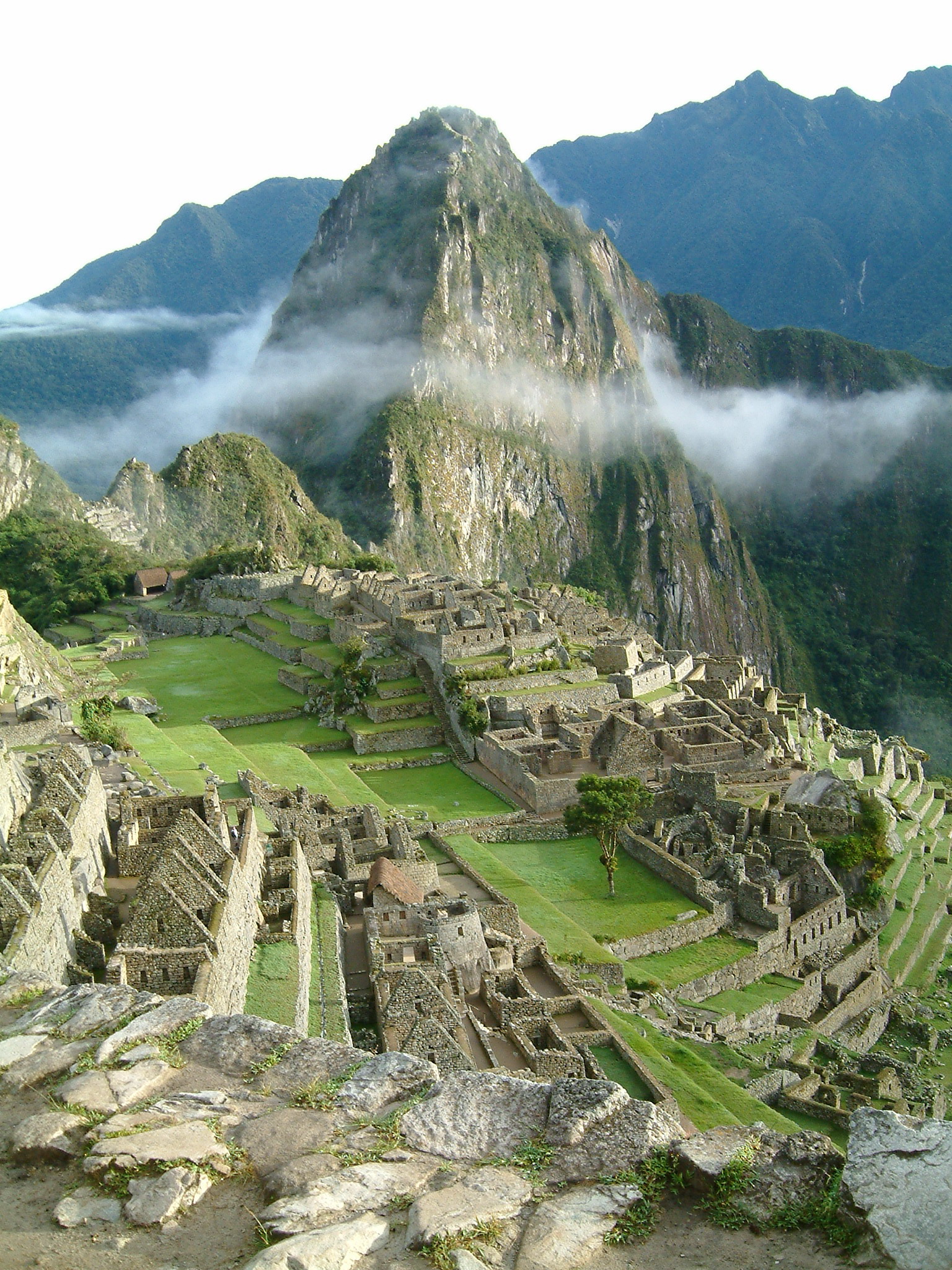
They continued their path on to Machu Picchu and the first signs of Che’s disdain for the capitalists as evidenced by his reaction to the American tourists who had come to climb the mountain.
The continued on through some small towns before they were side-lined after Che’s asthma forced him into hospital. Eventually they got back on the road and made it to Lima.
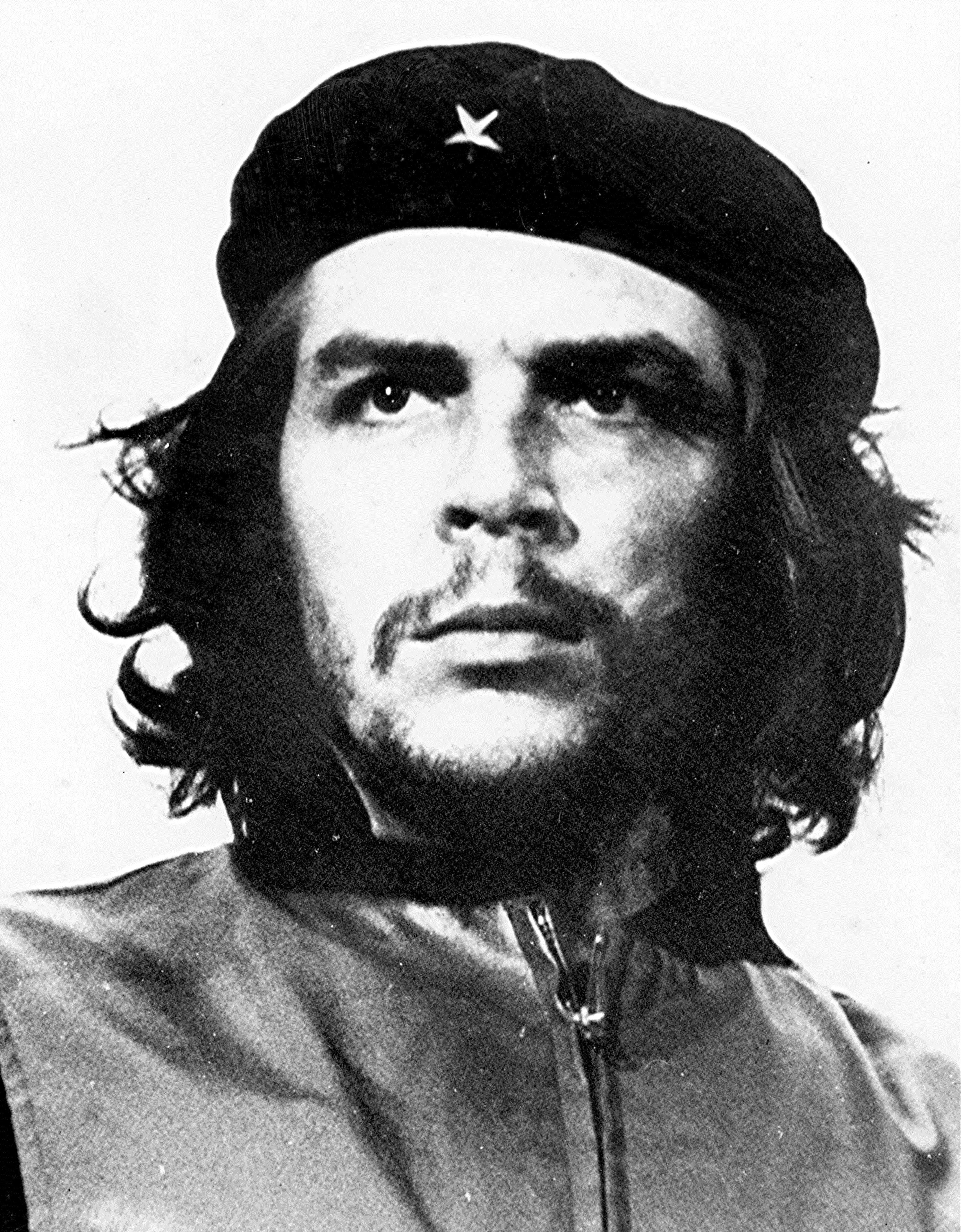
In what can only be seen as an ironic twist, on 1 May (Labour Day), Che met a Marxist scientist named Hugo Pesce with whom he conversed in what Che readily acknowledged to be the conversations that led to his evolution in attitude towards life.
By the time Che and Granado arrived in Iquitos, asthma forced Che to rest for six days. They then moved on to a leper colony at San Pablo de Loreto where he saw there was a shortage of clothing, food, and proper medical supplies for the lepers.
By July, the pair made it up to Bogota, Colombia where Che witnessed how the disenfranchised were being alienated by the right wing government. In a letter to his mother, Che wrote: “There is more repression of individual freedom here than in any country we’ve been to, the police patrol the streets carrying rifles and demanding your papers every few minutes.”
This marked the end of the South American journey and Che’s political odyssey.
Back in the 1950s this would have been a nine-month journey, but today it could probably be done in half the time. Better transportation infrastructure, more choices for transit, and better roads would mean a better journey.
But surely, if I wanted to retrace the revolutionary’s footsteps I would need to do so on bike, wouldn’t I?
 Taking the road best travelled