Earlier this year, I had the chance to visit Taipei, the Taiwanese capital. Taiwan does not tend to rate highly on people’s must-see lists for the Far East.
People tend to visit Japan, South Korea, and Hong Kong before they would consider Taiwan. But I can tell you that Taiwan deserves as much attention and can be a much cheaper holiday than the other three.
Taiwan’s history is a turbulent one. Dating back to the 16th century, the Han people of China inhabited the island at the start of European trade. The Dutch and the Portuguese attempted to colonise the country. In fact, Taiwan’s other name is Formosa, which comes from the Portuguese phrase for beautiful island.
Following the defeat of the Dutch colonisers by Ming Loyalists, Taiwan eventually became part of the Fujian province of China. In 1887, following defeat to the Japanese, the Qing Dynasty turned over Taiwan to Japan. Japanese culture still has a profound impact on Taipei as seen in their entertainment and popular culture today.
In the early 20th century, a civil war on Mainland China broke out between communists and nationalists. Following the communists’ victory in 1949, the surviving nationalists and their armies and supporters fled to Taiwan. An uneasy relationship between Taiwan and China has existed every since. This is most evident in flight routes of the two national carriers, EVA Air and China Airlines, on flights from Europe and North America.
These airlines are not allowed to fly into Chinese airspace on international flights, but are allowed to fly to China as evidenced by their extensive regional services into China. Great evidence of the logic of government. While you can get nonstop flights from Eastern North America on the Polar Routes, most Western European flights operate with a technical stop in Bangkok from London, Amsterdam, and Paris.
Getting to Taipei
Taipei is service by Taoyuan Airport and Songhsan Airport. Songshan is right in the city but is a regional airport that handles flights from China, South Korea, and Japan. If you are touring the region, this is a good option if you are coming from any of these three countries.
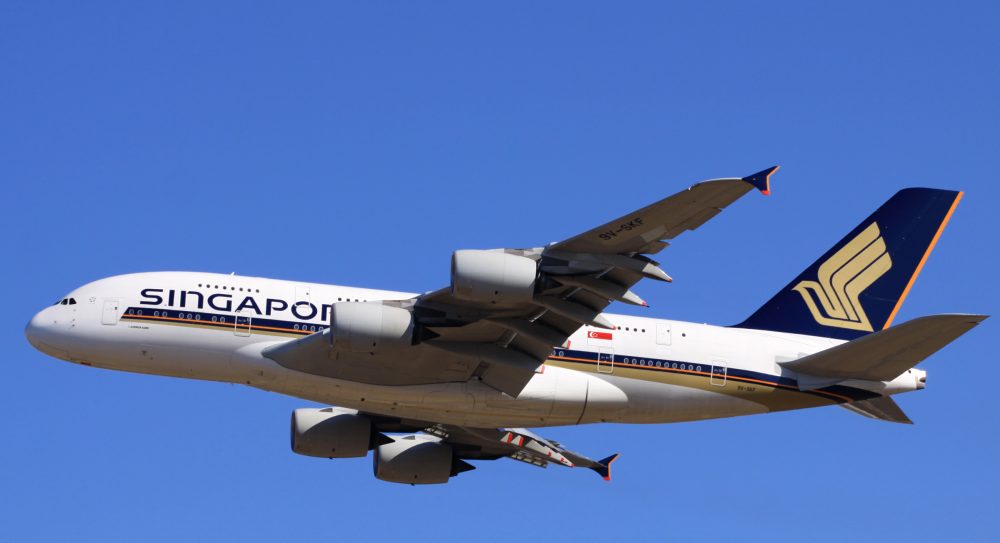
If you are flying from further afield, then you will land at Taoyuan Airport, which is about 40 km from the city. EVA and China Airlines have hubs at this airport. You can also arrive here using Air Canada (Vancouver), Air France, Air New Zealand, Cathay Pacific, Emirates, ANA, JAL, KLM, Korean Air, Asiana, Thai Airways, Singapore Airlines, and Turkish Airlines.
Getting from Taoyuan Airport
The cheapest way to Taipei is on the Airport MRT. It costs NT$160 (£4; US$5, CAN$6.8; AUD$7.42, or 4.54 euros) and takes about 35 minutes. The train operates to Taiwan Main Station but between 6:05 and 23:35. If you arrive before or after the train you will need alternate transport. Trains have free wifi and phone chargers on board.
Buses No. 1960, 1819, and 1961 are the cheapest method at NT$145 (1960) or NT$125 (1819 and 1961). Bus 1960 goes to the Xinyi District (Taipei 101) while the other two will go to Taipei Main Station.
The third option is taxi. Taxis to the centre of Taipei cost about NT$1,200 (34 euros, AUD$55, CAD$51, US$38, or £30). There is a taxi rank outside the arrivals area.
When I arrived in Taipei, I was approached in the terminal for a taxi which I took. It wasn’t until we were on the highway to Taipei that it struck me that I may have fallen for the biggest scam in the book — not taking a taxi from the official stand.
So, I took out my phone and mapped the best route to the hotel. Not only did the driver follow the route, the price was cheaper than the taxi stand. I mentioned it to the person at the hotel check in and he said that sometimes Uber drivers hang around the arrivals area looking for a fare back to Taipei to make the journey worthwhile for them. But use at your own caution. The best thing to do is to ask the person soliciting rides if it is Uber.
Getting around Taipei
Taipei has an excellent underground and bus system to get you to where you want to go. You can buy tourist cards before you arrive in Taiwan and decide where you want to pick it up: Main Station or Airport. These are valid on all forms of public transit in Taipei.
Weather
Taiwan is a hot and humid country. I was there in February so it was nice to have a few days of 25C+. The winter is not humid but the summer can be stifling.
Hotel
I stayed at the Citizen M Taipei which is a funky boutique hotel right in the centre of Taipei. It is about a 10-minute walk from the Taipei Main Station with lots of shops and restaurants nearby.
The hotel is located by the Taipei North Gate which means it is a hub for the Taiwanese people. I was there just after Chinese New Year and they were holding concerts there at night.
The four-star hotel is a small chain with hotels also in London, New York, Amsterdam, Paris, and Copenhagen. All rooms are exactly the same so everyone pays the same price for a room. The only choice is if you want a high floor or a low floor. I stayed on the 15th floor with views of the city and the river.
The rooms are very modern with great amenities. The beds are king size with huge pillows (a rarity in Asia). One of the cool features of the room is the ability to stream your phone or tablet content to the TV. This is great if you want to watch a movie in your library before bed on a big screen rather than your small screen.
Taipei is surprisingly affordable for hotel options. Most five-star hotels are cheaper than three-star hotels in London except for the W Taipei which tends to be the most expensive hotel in the city.
What to see
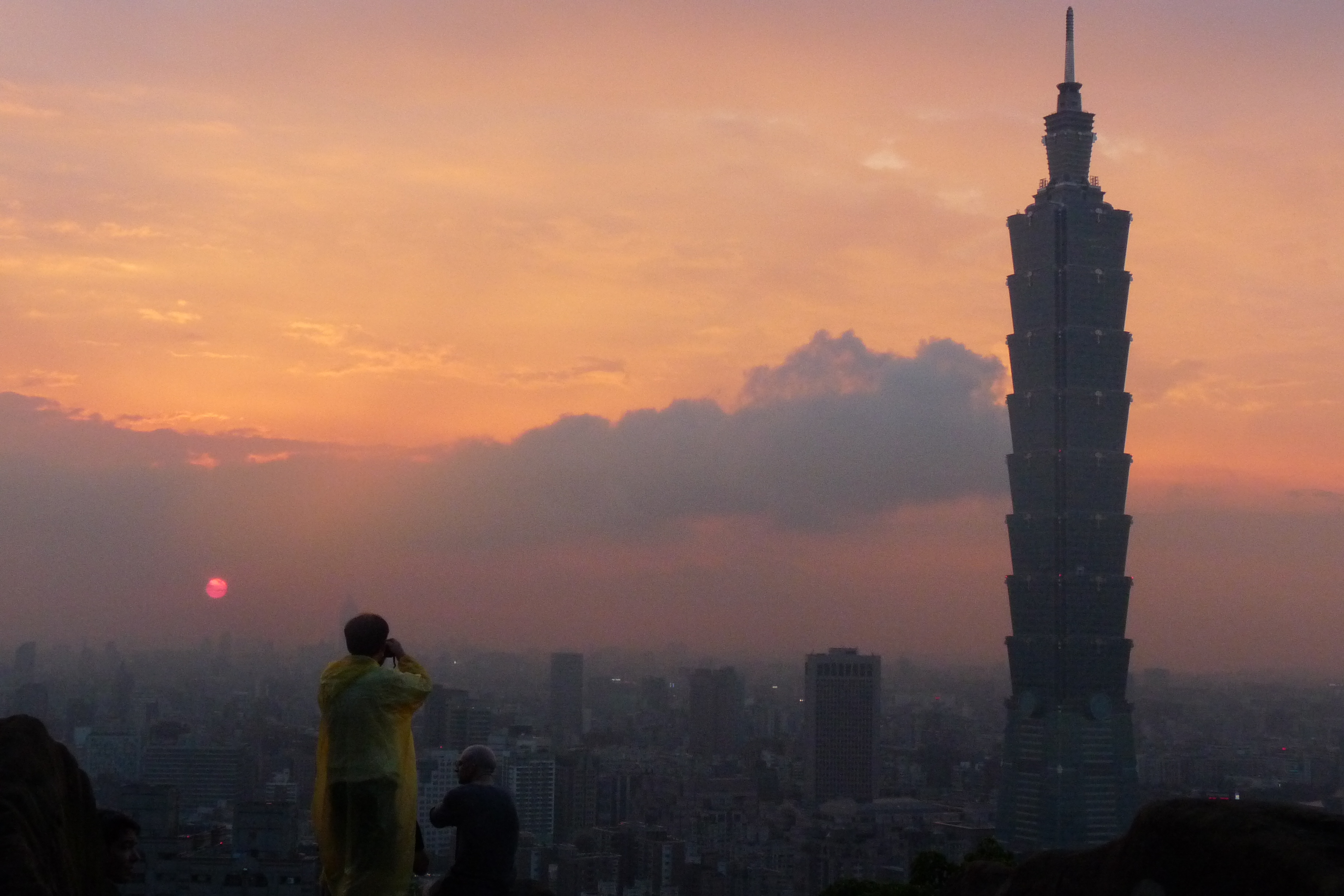
There are lots of sights in this city. Taipei 101 held the title of tallest building in Asia for a while until the Burj Khalifa in Dubai eclipsed it. If you bought the tourist transit card, it comes with discounts and free entry to Taipei 101’s observation deck. At the bottom of the tower is a large shopping centre.
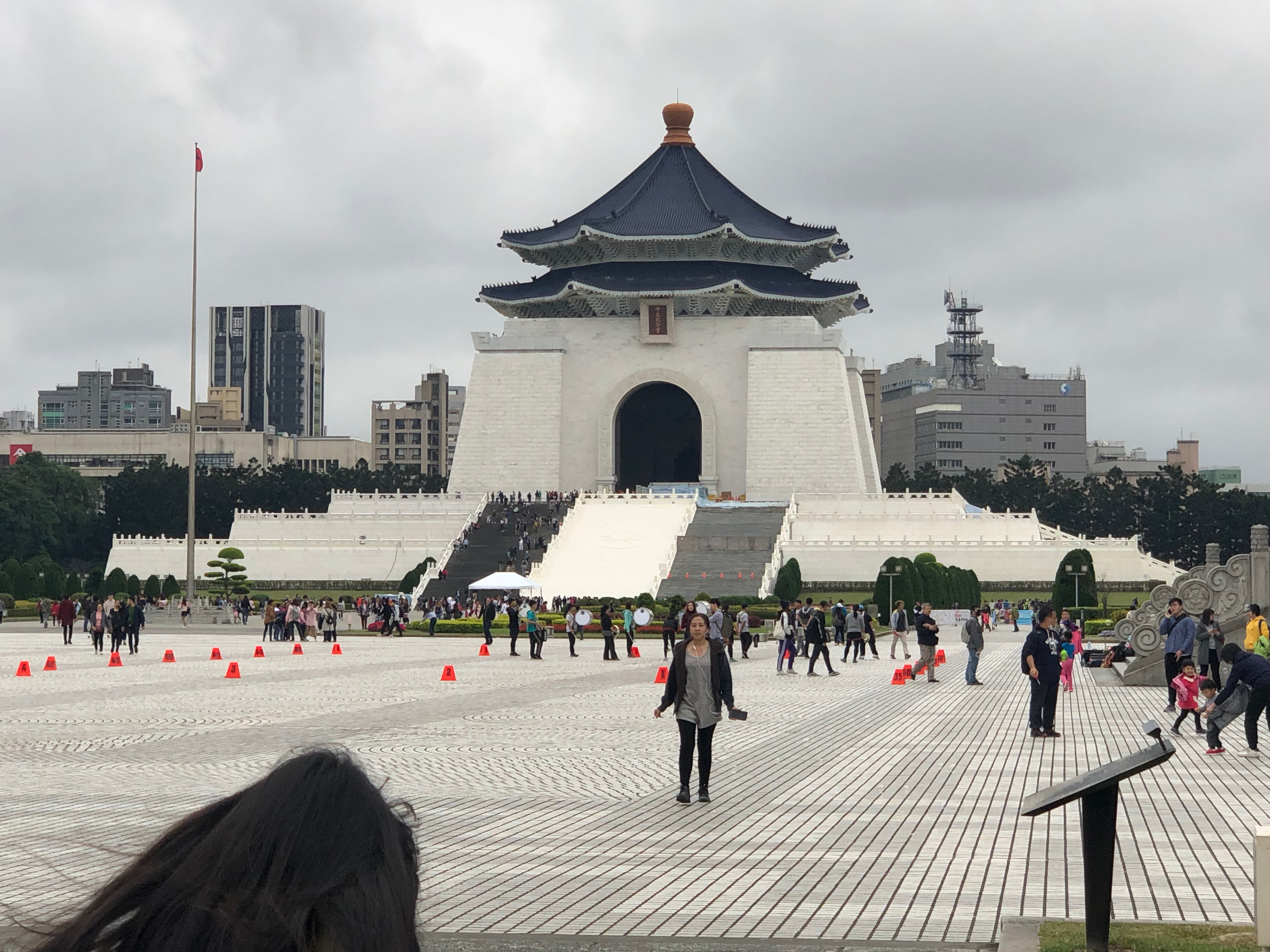
Another significant attraction is the Chiang Kai-Shek Memorial Hall which is a huge complex dedicated to the founding president of Taiwan. On the hour, there is a changing of the guard in the main hall. There is also the lesser-known Martyr’s Shrine in Zhongshan District which is dedicated to those who died in the Chinese civil war.
There are many temples such as the Longshan and Bao’an Temples. Additionally, there are many museums and galleries in which you can pass your time.
Beitou, Wulai, and Yangmingshan National Park are sites with hot springs where you can go for a soak and about a one-hour tube ride from the centre of Taipei. Prices range from NT$300 to NT$800 for a soak. But this might not be an option for those who don’t like to be nude around people because you are not allowed to wear even a bathing suit in the water. It is similar to the onsens in Japan and saunas in Finland.
Hiking trails abound Taipei. One of the best ones is Elephant Hill which will afford you a view of the city including the Taipei 101 building.
Food
Taipei is a lesser-known mecca for people who love to experience food in other countries and it is extremely cheap.
The night markets, such as Shillin, attracts thousands of people every evening to try out a variety of dishes.
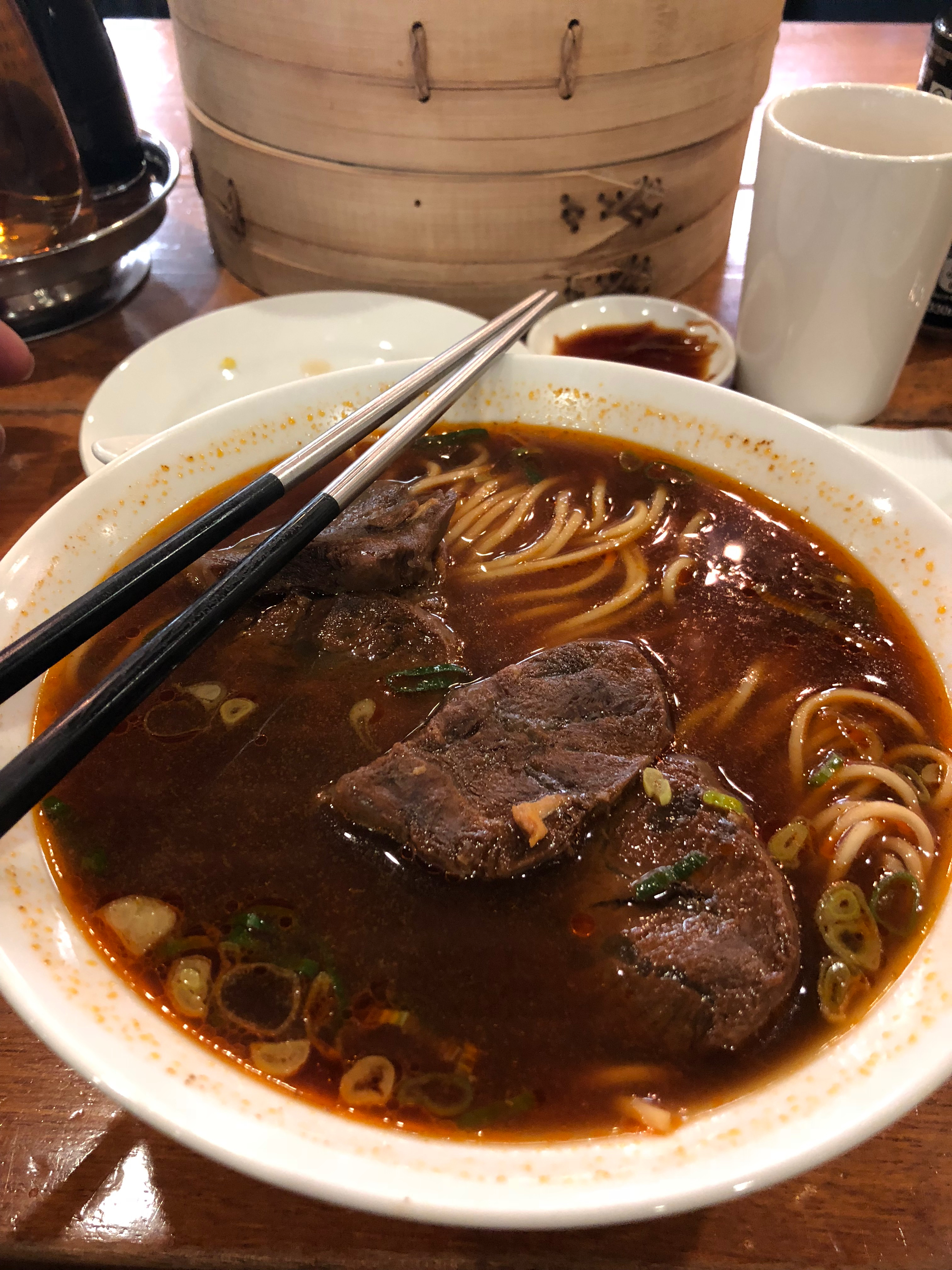
The national dish is beef noodle soup which features tender beef and tend in noodles and a rich beef broth. In the more popular restaurants the broth has been cooking since they first open. There are a large number of restaurants and street stalls selling the concoction for less than £5 a bowl.
The ubiquitous stinky tofu is a Taiwanese delicacy. Tread with caution as it is an acquired taste.
One of the most renowned restaurants in Taiwan is Din Tai Fung which has several locations across Taipei and has branched out around the world. Popular with locals and tourists, it isn’t out of the question to stand in line for an hour just to get. Both times I went, I got there at about 10:45 and was in with the first seating when they open at 11:30. The signature dish is xiaolongbao which is a steamed soup dumpling filled with pork and hot soup. Three are instructions on the table on how to eat the dumplings because you can scald your mouth if you aren’t careful. Another specialty is the shao mai dumpling which has no soup and is stuffed with pork with a shrimp on top.
You can also get the beef noodle soup and great fried rice dishes here. The Taipei 101 location I went to was very reasonable. Eight dumplings, a fried rice, and a beef noodle soup cost me about £10. I have been to their location in Covent Garden in London and these dishes will cost you about double the price at least. Unfortunately for my Canadian readers, the Ding Tai Fun in First Markham Place in Markham is not part of the company.
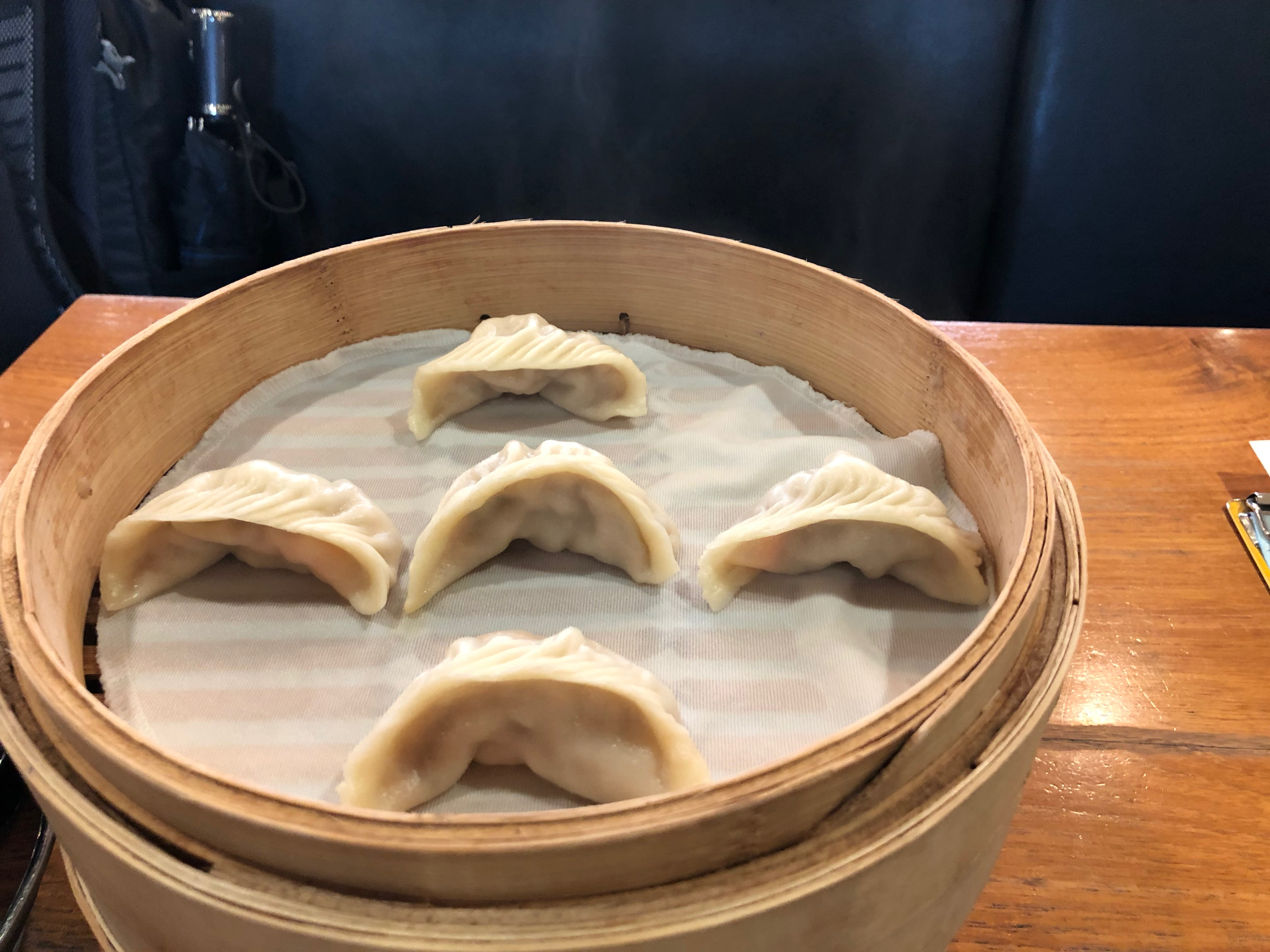
One of the best desserts in Taipei is pineapple cake. They are available everywhere. But the best in my opinion is at Sunny Hills. These are the most popular among Taiwanese people and across the region that the shop has branches in Singapore and Shanghai.
Sunny Hills’ main location is not far from Songshan Airport in Songshan District of Taipei. It is laid out like a restaurant it is a shop with a free sample.
When you go into the shop, you are taken to a seat and given a pineapple cake and a cup of Taiwanese green tea. The idea is that after the sample you can buy to take with you. The cakes are available in packs of 5, 10, and 16 cakes individually wrapped and stored in a nicely decorate wooden box, making them ideal for transport because you will want to take as much as you can home.
Overall impressions
Taiwan is an off-the-path destination because most people who go to this region tend to go to Japan, China, Hong Kong, or South Korea. In terms of affordability, Taipei is very affordable. In the cost scale where I would put Southeast Asia (Thailand, Cambodia, Vietnam, etc.) at the cheapest end and Japan, Singapore, and Hong Kong at the most expensive end, Taipei would be closer to Southeast Asia. It’s not as cheap as, for example, Thailand, but you can have a good time without breaking the bank.
The people are very friendly and most will attempt to speak English, which is a departure from other countries in the region where you can to rely on sign language and pointing to get things.
Despite a significant amount of beggars around the Main Station, Taipei is a very safe city. The beggars are pretty harmless and tend to leave foreigners alone. This is another Asian city in which I never felt the need to be extra vigilant.
 Taking the road best travelled