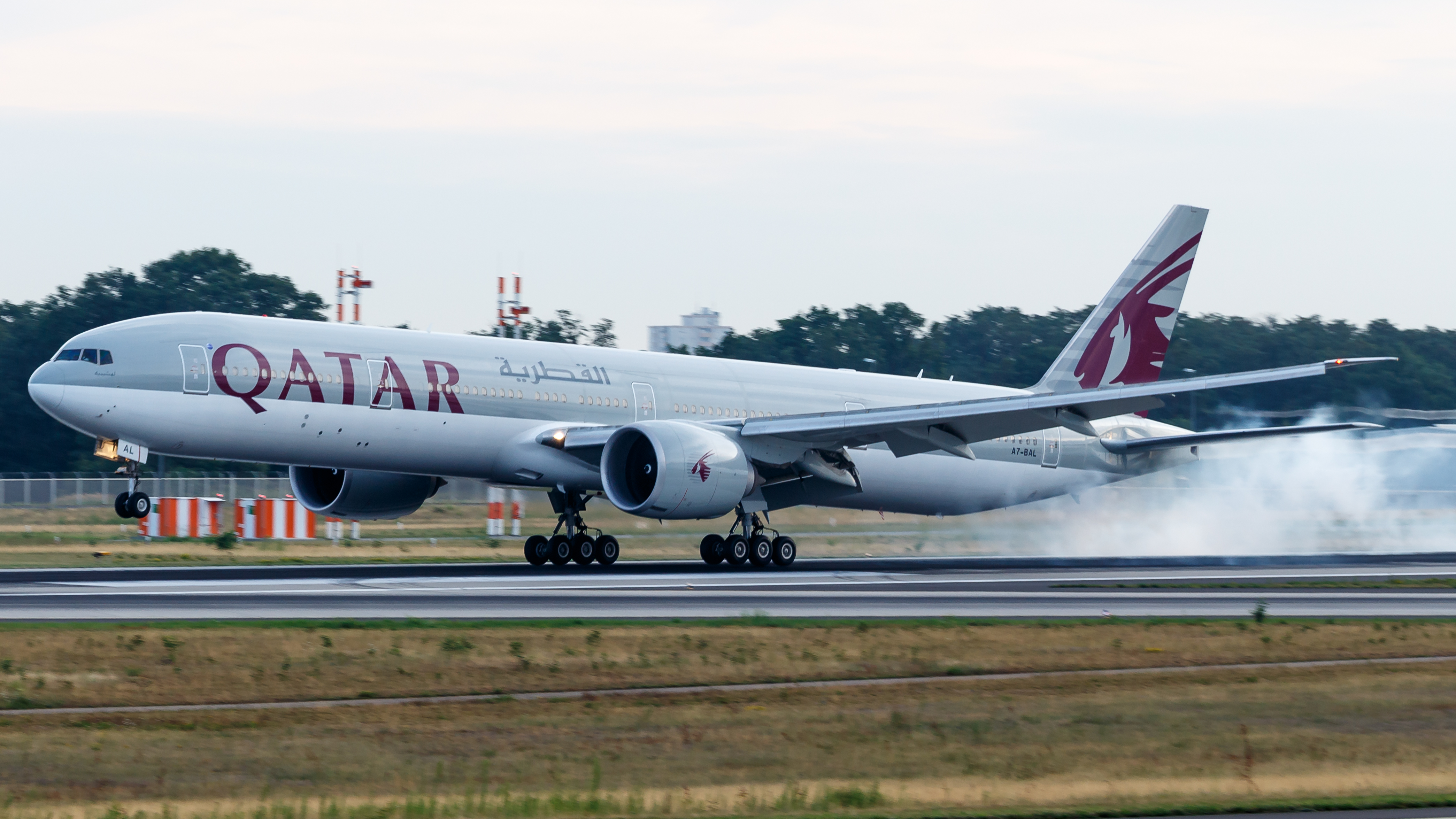
A Qatar Airways Boeing 777-300ER lands at Frankfurt Airport on a flight from Doha. Qatar Airways won its fifth Airline of the Year award since 2011 at the Skytrax Awards held this week at the Paris Air Show.
Qatar Airways has been named the
world’s best airline by Skytrax at the Paris Air Show this week.
It is the fifth time the Qatar
carrier has topped the list since the awards started in 2001. This is the fifth
win in nine years for Qatar.
The Middle Eastern carrier took the
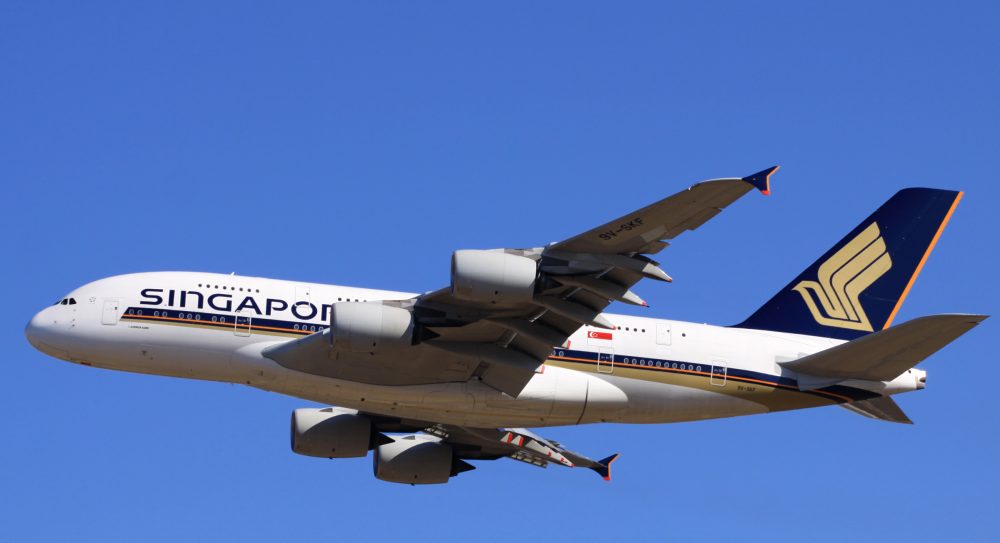
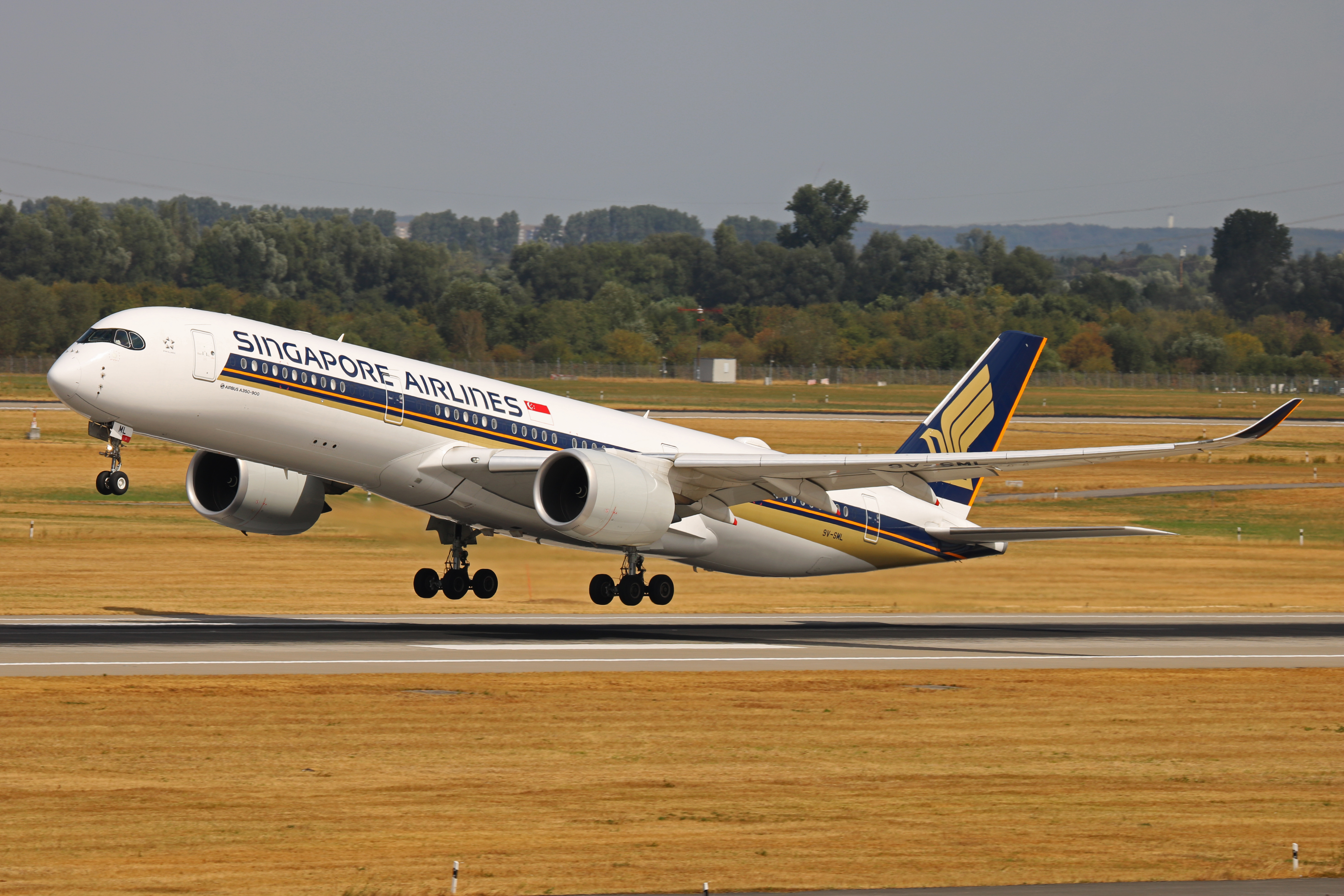
title from Singapore Airlines which dropped to second in the Top 10 list of the
world’s best airlines. In the 19-year history of the awards, Singapore has only
failed to make the Top 3 twice.
Qatar flies to more than 140
destinations around the world and boasts the industry-leading Q-Suite business
class product.
From the Top 10, only two non-Asian
carriers, Qantas Airways and Lufthansa, made the list.
Although Singapore Airlines lost out top spot as airline of the year, its cabin crew was voted best in the world for a second year while its home airport, Changi was named best airport for the 7th year in a row.
Rounding out the Top 10 were ANA (Japan,
No. 3), Cathay Pacific (Hong Kong, No. 4), Emirates (UAE, No. 5), EVA (Taiwan, No.
6), Hainan Airlines (China, No. 7), Qantas (Australia, No. 8), Lufthansa
(Germany No. 9), and Thai Airways (Thailand, No. 10).
North American carriers continue to
take a beating in the list with the highest ranked carrier being Air Canada at
No. 31. The top U.S.-based airline is Jet Blue at No. 40.
Singapore Airlines’ home base,
Changi International Airport, was voted world’s best airport for a staggering
seventh year in a row. Changi has dominated the award, winning 10 times in the
award’s 21-year history.
In other awards, it was an Asian
clean sweep for best cabin crew with Singapore Airlines winning the award
again. Rounding out the top 10 were: Garuda (Indonesia, No. 2), ANA (No. 3),
Thai Airways (No. 4), EVA (No. 5), Cathay (No. 6), Hainan (No. 7), JAL (Japan,
No. 8), Qatar (No. 9), and China Airlines (Taiwan, No. 10).
Austrian Airlines was the top rated
non-Asian carrier for the cabin crew at No. 12 and no North American carriers
rated in the Top 20.
A Japan Airlines Boeing 787 taxis on the apron in this file photo. JAL is the national flag carrier of Japan. It is one of two five-star carriers in Japan as rated by Skytrax.
Most international travel starts
with a flight. Therefore, this Japanese vacation plan will start by helping you
to plan for how you will arrive into Japan.
The debate is still open on booking
fights directly with airlines or using online travel agents. Each is not
without its horror stories, but I have always booked with airlines and never
had an issue.
One thing I would do is check with
airfare aggregators to get an idea of the costs. Two of the best I use are Kayak and Skyscanner. Both sites trawl the internet
for airfares and will find sales and discounts to give you the best price as
well as the airline price. Kayak also offers a service where they can speculate
on the trend of an airfare and advise you if they think the price will decrease
or increase.
When flying into Japan, you have a
lot of choices. Japanese carriers Japan Airlines and All Nippon Airways fly to
major destinations in Europe, North America, and Oceania. Legacy carriers from
the U.S., Canada, England, Germany, France, Netherlands, Austria, Russia and
Scandinavia also offer several flights. Asian carriers from Hong Kong, China,
Thailand, Malaysia, Philippines, Indonesia, and Singapore add to your choices
while Oceania carriers from Australia and New Zealand are also in on the fun.
And let’s not forget the big three of the Middle East.
One suggestion I can put forward,
especially for European travellers, is Finnair. Although Finnair is small
compared to the giants of Europe, they offer flights to Tokyo, Osaka, Nagoya,
Sapporo, and Fukuoka. In Tokyo, they use Narita Airport. What sets them apart
from the more established carriers is that they use the ultra-modern Airbus
A350-900XWB jets and they are the shortest flight option from Western Europe.
For the purposes of illustrating this point, I will use Manchester Airport in
the UK as a starting point. There are no direct flights to Japan from
Manchester, therefore, you will connect somewhere either in Europe, the Middle
East or Asia. Flight times tend to be 15 to 16 hours on these routes, not
including the layover for connecting flights.
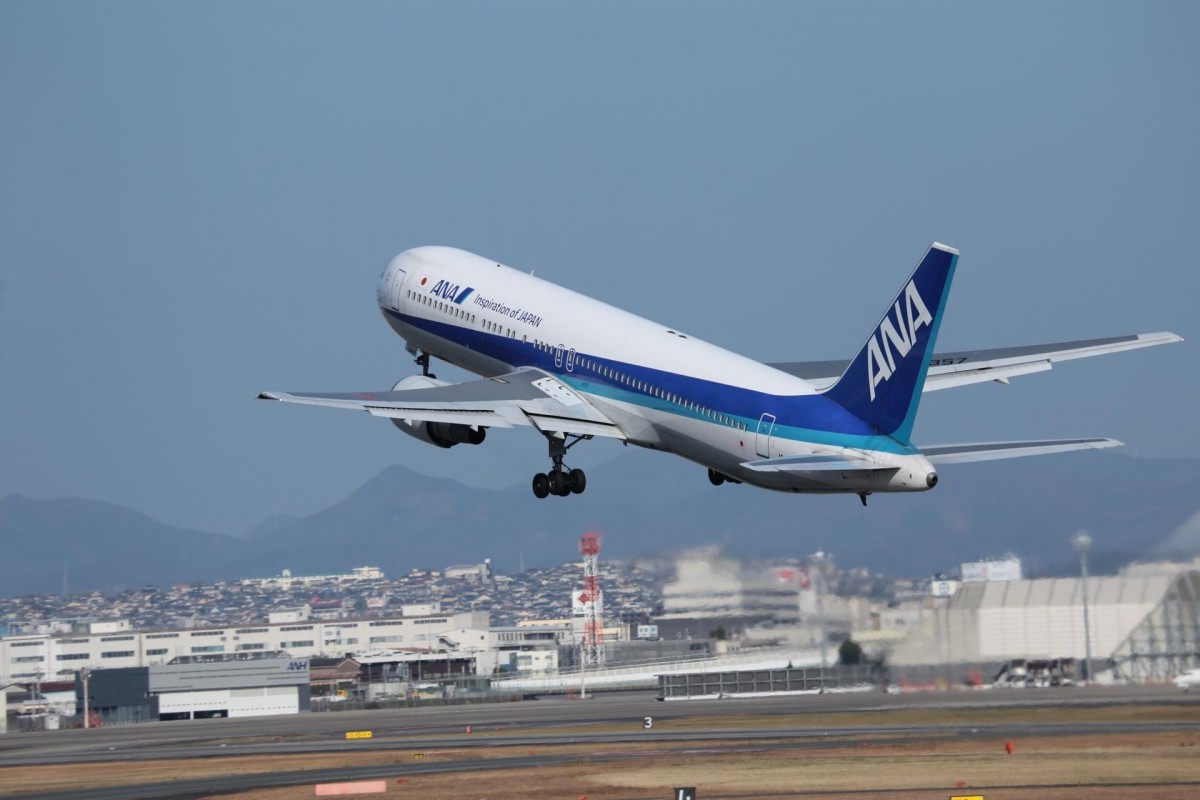
All Nippon Airways is Japan’s other legacy carrier and also a five-star airline as rated by Skytrax the industry leader in airline evaluation.
Finnair from Manchester is about 12
hours. It is about a 2.5-hour flight from Manchester to Helsinki and then 9.5
hours from Helsinki to Tokyo.
I have flown on Cathay Pacific’s
Airbus A350 before and it is the best airplane for ultra-long haul flights. The
planes are made with composite materials and don’t rely on heavy pressurisation
of the cabins. This means you can get some rest and your nose does not feel as
dry as the Sahara when you arrive at your destination.
Another bonus for selecting Finnair
is that the codeshare with Japan Airlines which means you can possibly have a
booking with Finnair on the Manchester to Helsinki segments and JAL on the
Helsinki to Tokyo flights.
If that is your choice, JAL uses the
Boeing 787-9 on the route which is the competing airplane to the Airbus A350
and has similar features to ensure a better flying experience.
Flight prices to Japan from Manchester
are about £600 (economy), £1,000 (premium economy), £2,500 (business), and
£4,000 (first).
There are some tips you can use to
help make the airfare cost more bearable:
Plan your trips outside of peak
travel times in Japan. There are three peak seasons in Japan: Golden week (late
April to early May), school holidays (July/August), and New Years.
Airlines tend to hold seat
sales from just after Christmas Day through January. I have seen business class
flights on JAL via Helsinki for as low as £1,800 during this time.
Consider a tour package because
tour operators are able to offer you flight prices much lower than you can
find. But this is probably not an option if you prefer to head out on your own
in Tokyo.
Consider flying to a nearby
Asian country and using one of their low cost carriers for the rest of the way.
If you subscribe to an airline
alliance points programme, you can get flights for very cheap or at a discount
depending on how many points you have already accrued. The three main airline
alliances are Star Alliance, Oneworld, and Skyteam. Star Alliance major
carriers include ANA, Lufthansa, Singapore Airlines, Thai Airways, EVA Air, Air
China, Air India, Air Canada, and United. Oneworld carriers are JAL, Cathay
Pacific, Malysian Airlines, British Airways, Finnair, and American Airlines.
Skyteam includes; KLM, Air France, China Airlines, China Southern, Garuda
Indonesia, and Korean Airlines.
Haneda versus Narita
As I have stated before, there are two airports in Tokyo with Narita
being in Chiba Prefecture, about 60 km from central Tokyo.
Narita was set up as Tokyo’s
international airport with Haneda handling mainly domestic flights. However, in
the past decade or so, more international flights are landing at Haneda and it
is a great option because it is between Tokyo and Yokohama.
At 10 km from central Tokyo, it is a
much better option especially after a long flight.
The best part is that within 15
minutes you can be in central Tokyo if you take either the Tokyo Monorail to
Hamamatsucho Station or the Keikyu Line to Shinagawa Station.
Hopefully this information and the
tips will help you to get a better understanding of how to get to Japan. In the
next blog, I will explore rail travel and the discounts available to you.

 Taking the road best travelled