In the last blog, I drew up an outline for how to get to Japan. In this blog, I will focus on travel planning.
How long do you want to spend in Japan? Do you plan to return again and again? Or do you plan to see as much as you can in one trip and cross Japan off your list?
Japan is an amazing country that will keep you coming back if you let it. There is much to see, experience, and consume in the Land of the Rising Sun.
If your plan is to do a one-off trip, you might want to allocate about three weeks to see the sights. The question now is when do you want to visit?
Winter can be cold and dreary in Japan, but there is lots to see and do. Northern Japanese cities of Aomori, Akita, and Sapporo hold three of the top five positions on the list of snowiest places in the world.
To put things into perspective, Aomori rates as the city with the most snow and averages a whopping 800 cm of snow annually.
But don’t fear, there is much to experience in winter in Japan.
In fact, Sapporo’s ice festival in February is an event that attracts people from across the globe.
Spring time in Japan is glorious. It is the Sakura (cherry blossom) season which starts in mid-March in the south and finishes in May in the north.
Don’t fall into the trap of seeing the cherry blossoms at tourist sights or else you will be stuck with thousands of other travellers and it won’t be that great. Go off the beaten track. There are places in Japan where tree-lined streets turn into a pink tunnel that very few people know exists.
Summer can be downright hot and humid in Japan with temperatures soaring into the 30s. If you are there in the summer, try to work in a trip to a mountain area such as Takayama where the temperatures are cooler and there is no humidity. Your body will thank you.
Autumn in Japan turns the country red with the changing leaves. While many of your homelands have autumn colours, you can’t go wrong checking out Japan’s colourful display.
Key places to visit
Obviously, you will want to visit the vast metropolis of Tokyo when you are in Japan. It is massive with a population bordering on 35 million people.
While Tokyo is nice, it is like any major metropolitan in the sense that it can be an impersonal experience.
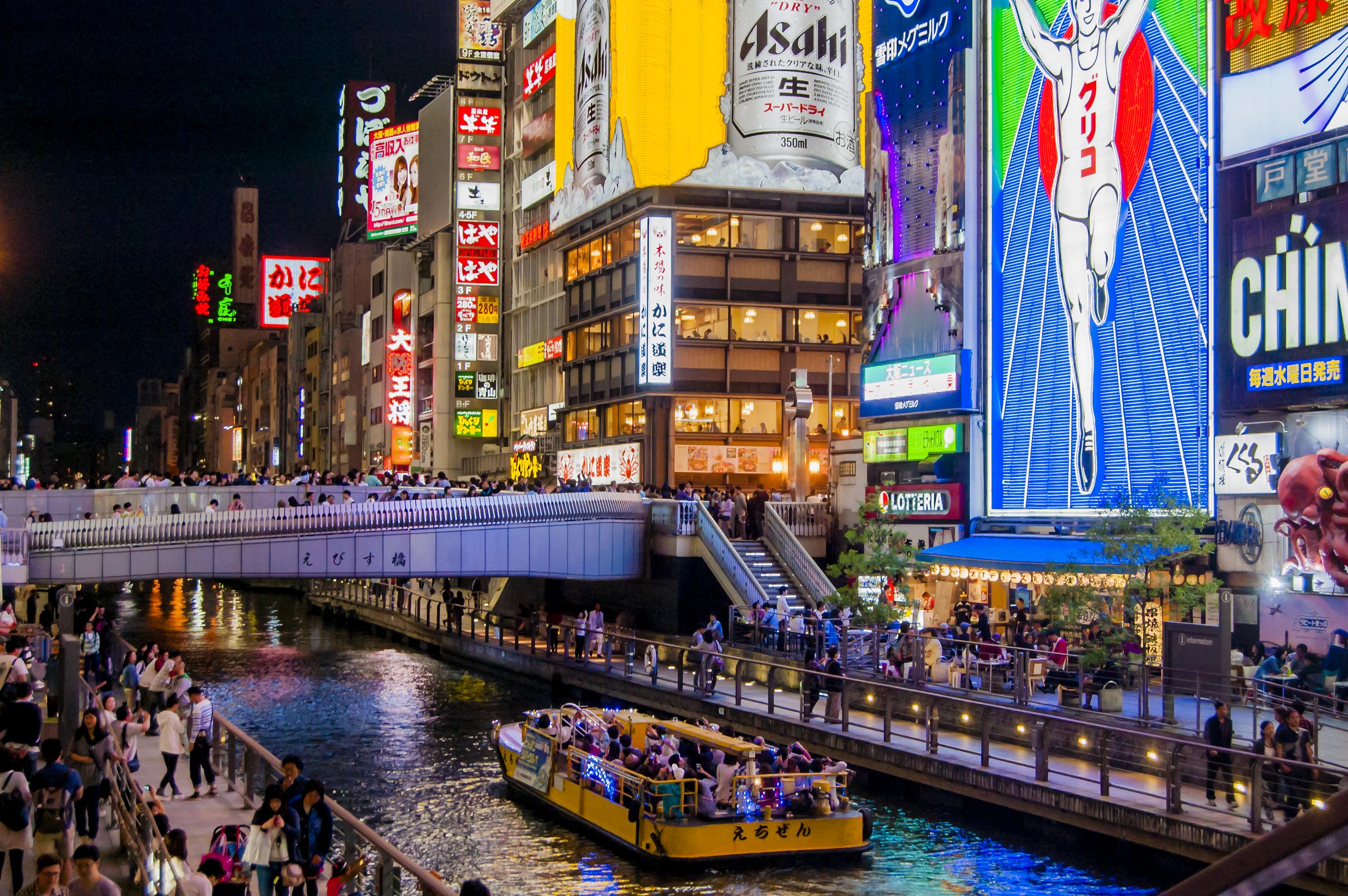
If you want to experience the warmth of Japanese people, head to Osaka and the sights, smells, tastes, and sounds of the Dotonbori. This is the main party area which is a street lined with restaurants, bars, and food stands with friendly people hoping you stop by for some good Japanese food.
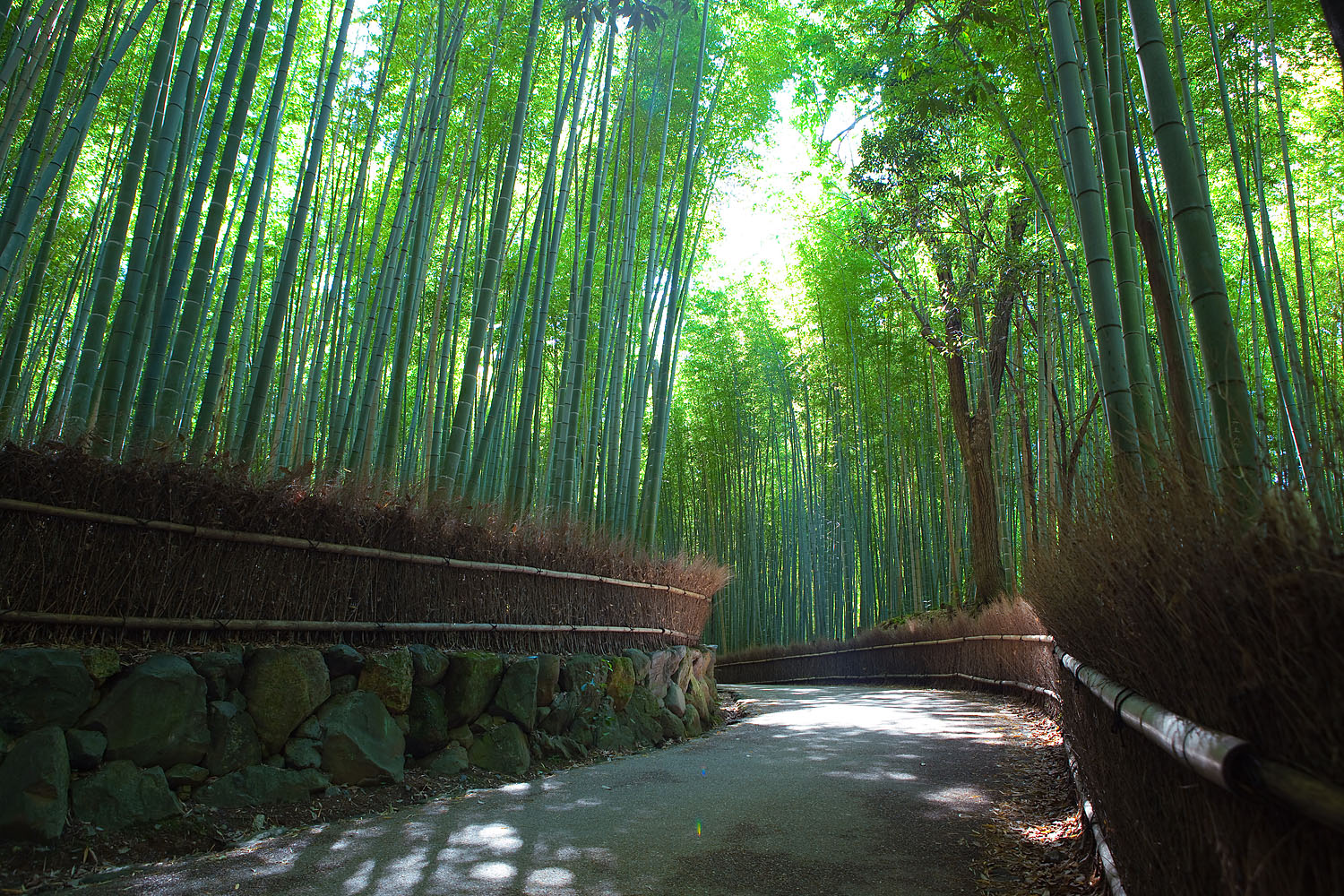
Kyoto was the former capital of Japan and is still the cultural capital of the country with its many temples, Geisha quarter, and bamboo forest.
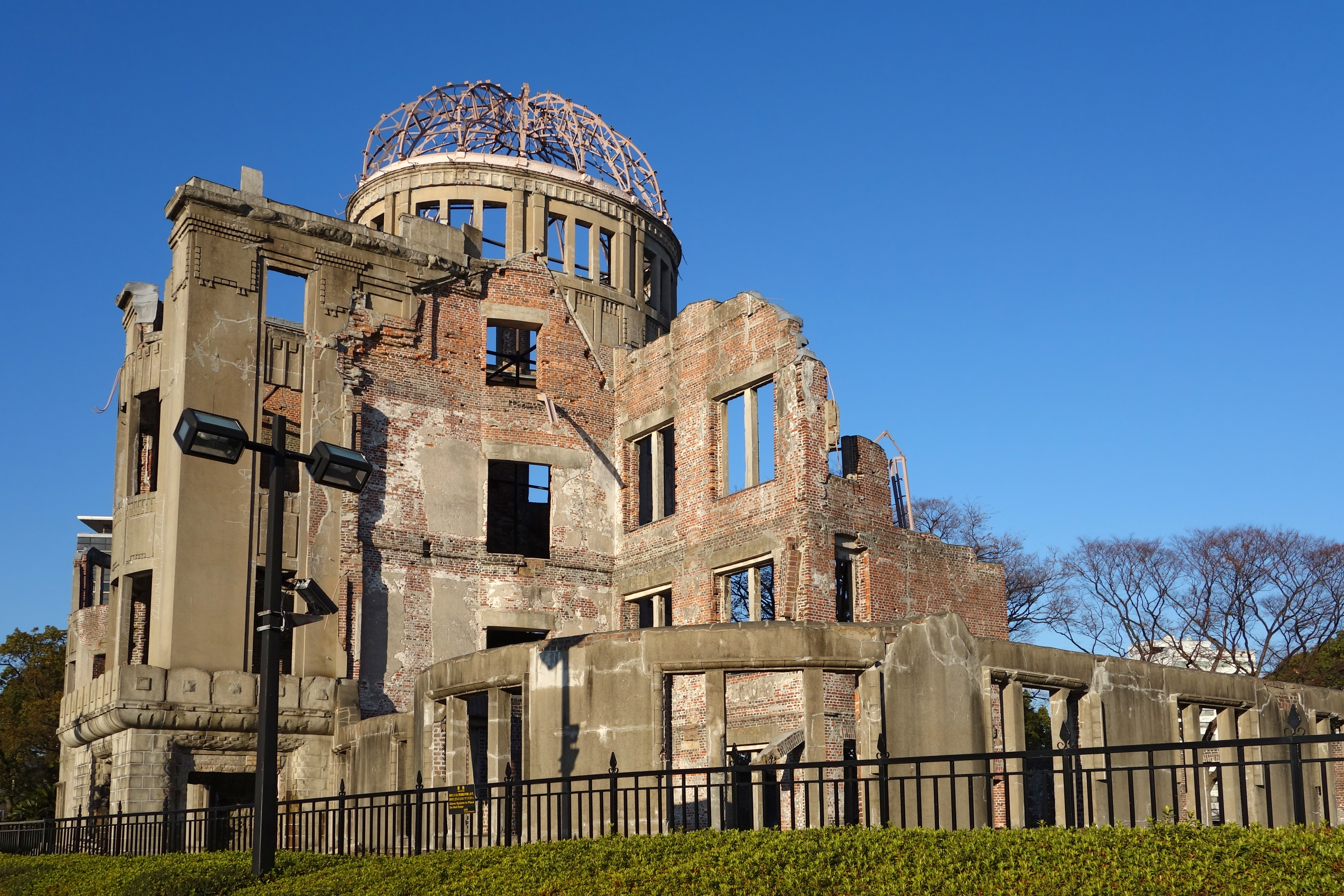
No visit to Japan will be complete without a visit to Hiroshima, the sight of America’s nuclear bombing, along with Nagasaki. The bombed out town hall dome still stands to this day. A trip to the area brings you into contact with school groups learning of their history. The students are very friendly and will want to try out their burgeoning English language skills on you.
You could also reach out for the western city of Kanagawa which is an old Samurai village, Takayama in the central Japanese mountains, or farther north into Sapporo on Hokkaido Island.
Estimated times
Here is a breakdown of the amount of time to spend in some of the major cities of Japan.
- Tokyo: About a week here will give you enough time to see the usual sights and some of the lesser known ones.
- Kyoto: Five days will allow you to take in the historical capital city of Japan.
- Osaka: Three days will be a generous amount of time to see the sights and indulge in the party zone of Dotonbori.
- Hiroshima: Three days are sufficient as the major area dedicated to the atomic bomb site are in one location. This also allows you to do some day trips to nearby sites such as Himeji Castle and Miyajima, the site of a floating torii gate.
- Takayama: One full day will allow you to see the Samurai village and the Shirakawa-Go village.
- Kanagawa: A day trip from Tokyo is not out of the question to see this coastal city.
- Sapporo: Three days will allow you to experience life in the far North of Japan.
While this is not an itinerary, you can see that three weeks will allow you to see all of these sights. One thing to consider is to start in one city and end in another. For example, start in Osaka and end in Sapporo. It is possible to get a hotel in Osaka and spend about 8 days combining Osaka with day trips to and from Kyoto. Two weeks will allow you even incorporate Hiroshima as a day trip. The luxury of the speedy Shinkansen means that Hiroshima is about a four-hour train ride from Osaka. So, for example, you can catch an 8 a.m. train from Osaka, get to Hiroshima by noon, spend a few hours at the Peace Park, and return to Osaka in the early evening.
Whatever your itinerary, have fun while you sort out where you want to go. A big part of the excitement of sightseeing anywhere is planning where you want to go.

 Taking the road best travelled