Delays, unreliable service shouldn’t sour your train travel experiences

Train travel is a cheap option that allows you to immerse yourself in a new culture.

            One of the appeals of living in Europe is the extensive transportation infrastructure that criss-crosses the continent. In theory, it is possible to get from the smallest villages in England to Moscow by rail.

            Train travel is the best way of seeing and experiencing a new culture.

            It immerses you in the culture because you are travelling with locals. If you rent a car you are focussed on driving and not on the scenery. Even if you hire a car and driver, you are enclosed in your vehicle and not really experiencing the culture.

            We travel to learn about other people. Travellers tend to be more open-minded and have a different perspective of reality than those who choose to stay at home and rely on accounts of other cultures by people who have hidden agenda.

            This post looks at the pros and cons of train travel. While some systems are extremely efficient, others can be chaotic and unreliable.

British rail or should I say British fail

            One of the appeals of living in Europe is the extensive transportation infrastructure that criss-crosses the continent. In theory, it is possible to get from the smallest villages in England to Moscow by rail.

            Lots of literature has been written presenting rail travel as a romantic notion aboard trains with fine dining and well appointed state cars.

            But contemporary rail travel, especially in the UK, has become very unreliable to the point that I prefer to pay three times more for long distance taxis than rely on the trains to get me to the airport.

            In fact, the only time I use British Rail if I am flying is if my flight is the next day from London.

            2018 was one of the worst years on record for British train companies with unprecedented levels of strikes and cancellations on networks in the southeast and north of England.

            Studies showed that more than 70 percent of commuters in the Greater Manchester Area drove to work instead of relied on trains because of the unreliability of the system.

            The BBC reported that in July 2018 almost 33 percent of Northern Rail trains were cancelled.

            In April and May I took two train journeys on which trains were delayed enough to have a knock-on effect that led to missed connections.

Dutch, German train systems are epitome of efficiency

            In mainland Europe, trains to tend to run to schedule are more reliable than British trains.

            One of the advantages of trains in the Netherlands is that all tickets are flexible, meaning you can use them on any train. In the UK, flexible tickets are the most expensive while the cheapest prices are on specific trains on a specific day.

            Germany’s Deutsche Bahn is a fast and efficient service but is more expensive that flying around the country. Thanks to post-9/11 security measures, it may be cheaper to fly from Munich to Berlin, but you won’t save any time over taking the train.

Asian services grounded in punctuality, hospitality

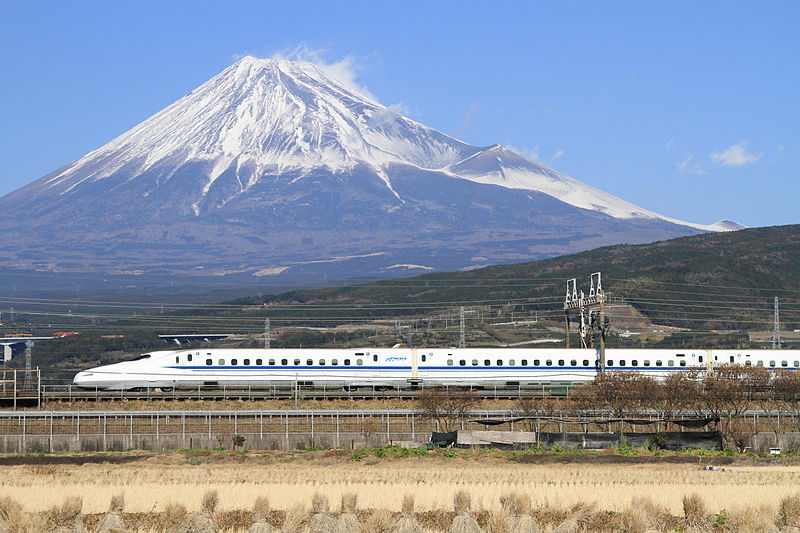
            By comparison, the Japanese Rail system is one you can navigate by time. They are on time about 99 percent of the time. In fact, if the train is one minute late, passengers receive an apology. Japan Rail delays is due to unforeseen circumstances, such as a natural disaster or wildlife collision.

            By contrast, British rail companies’ delays and cancellations tend to be due to not enough staff to run the train and poor scheduling decisions.

            Train travel in India is a challenge. In 2011, I took two trains in India: one between Lucknow and Varanasi and the other between Jhansi and Agra. Both were decent, clean experiences, but for some odd reason the Lucknow to Varanasi pulled up about 100 metres from the station and stayed there for 45 minutes for no apparent reason.

            The Jhansi to Agra train was part of the Shatabdi Express between Bhopal and Delhi. Shatabdi trains are express trains between major cities and are among the fastest trains.

            On the Varanasi-bound train, we sat in AC Chair Class and first class on the Shatabdi train.

            One of the great things about travelling by train in India is interacting with locals. People are very friendly and willing to share their food with you. It’s as close to an authentic Indian experience as you are most likely to get.

            The first class service is like a cross between a nice restaurant and a good airline. You have comfortable seats with deep recline. Between each stop, train staff serves dinner in courses with each course delivered between stations.

            If you are planning to do a train journey, I highly recommend consulting The Man in Seat Sixty-One. This is a comprehensive website with guides and instructions on how to use railway services all over the planet.

            Travel delays are out of our hands because we rely on other people. Don’t let bad services lead you to reject train travel as a viable means of seeing a country. It is usually fast, cheap, and the best way to experience culture as you will be seated in the middle of carriages filled with people from the country you are visiting.
            One of the appeals of living in Europe is the extensive transportation infrastructure that criss-crosses the continent. In theory, it is possible to get from the smallest villages in England to Moscow by rail.

            Lots of literature has been written presenting rail travel as a romantic notion aboard trains with fine dining and well appointed state cars.

            But contemporary rail travel, especially in the UK, has become very unreliable to the point that I prefer to pay three times more for long distance taxis than rely on the trains to get me to the airport.

            In fact, the only time I use British Rail if I am flying is if my flight is the next day from London.

            2018 was one of the worst years on record for British train companies with unprecedented levels of strikes and cancellations on networks in the southeast and north of England.

            Studies showed that more than 70 percent of commuters in the Greater Manchester Area drove to work instead of relied on trains because of the unreliability of the system.

            The BBC reported that in July 2018 almost 33 percent of Northern Rail trains were cancelled.

            In April and May I took two train journeys on which trains were delayed enough to have a knock-on effect that led to missed connections.

Dutch, German train systems are epitome of efficiency

            In mainland Europe, trains to tend to run to schedule are more reliable than British trains.

            One of the advantages of trains in the Netherlands is that all tickets are flexible, meaning you can use them on any train. In the UK, flexible tickets are the most expensive while the cheapest prices are on specific trains on a specific day.

            Germany’s Deutsche Bahn is a fast and efficient service but is more expensive that flying around the country. Thanks to post-9/11 security measures, it may be cheaper to fly from Munich to Berlin, but you won’t save any time over taking the train.

Asian services grounded in punctuality, hospitality

            By comparison, the Japanese Rail system is one you can navigate by time. They are on time about 99 percent of the time. In fact, if the train is one minute late, passengers receive an apology. Japan Rail delays is due to unforeseen circumstances, such as a natural disaster or wildlife collision.

            By contrast, British rail companies’ delays and cancellations tend to be due to not enough staff to run the train and poor scheduling decisions.

The Shatabdi Express is fast way to get between major cities in India.

            Train travel in India is a challenge. In 2011, I took two trains in India: one between Lucknow and Varanasi and the other between Jhansi and Agra. Both were decent, clean experiences, but for some odd reason the Lucknow to Varanasi pulled up about 100 metres from the station and stayed there for 45 minutes for no apparent reason.

            The Jhansi to Agra train was part of the Shatabdi Express between Bhopal and Delhi. Shatabdi trains are express trains between major cities and are among the fastest trains.

            On the Varanasi-bound train, we sat in AC Chair Class and first class on the Shatabdi train.

            One of the great things about travelling by train in India is interacting with locals. People are very friendly and willing to share their food with you. It’s as close to an authentic Indian experience as you are most likely to get.

            The first class service is like a cross between a nice restaurant and a good airline. You have comfortable seats with deep recline. Between each stop, train staff serves dinner in courses with each course delivered between stations.

            If you are planning to do a train journey, I highly recommend consulting The Man in Seat Sixty-One. This is a comprehensive website with guides and instructions on how to use railway services all over the planet.

            Travel delays are out of our hands because we rely on other people. Don’t let bad services lead you to reject train travel as a viable means of seeing a country. It is usually fast, cheap, and the best way to experience culture as you will be seated in the middle of carriages filled with people from the country you are visiting.
City view: Taipei can be a cheaper alternative for Far East holidays

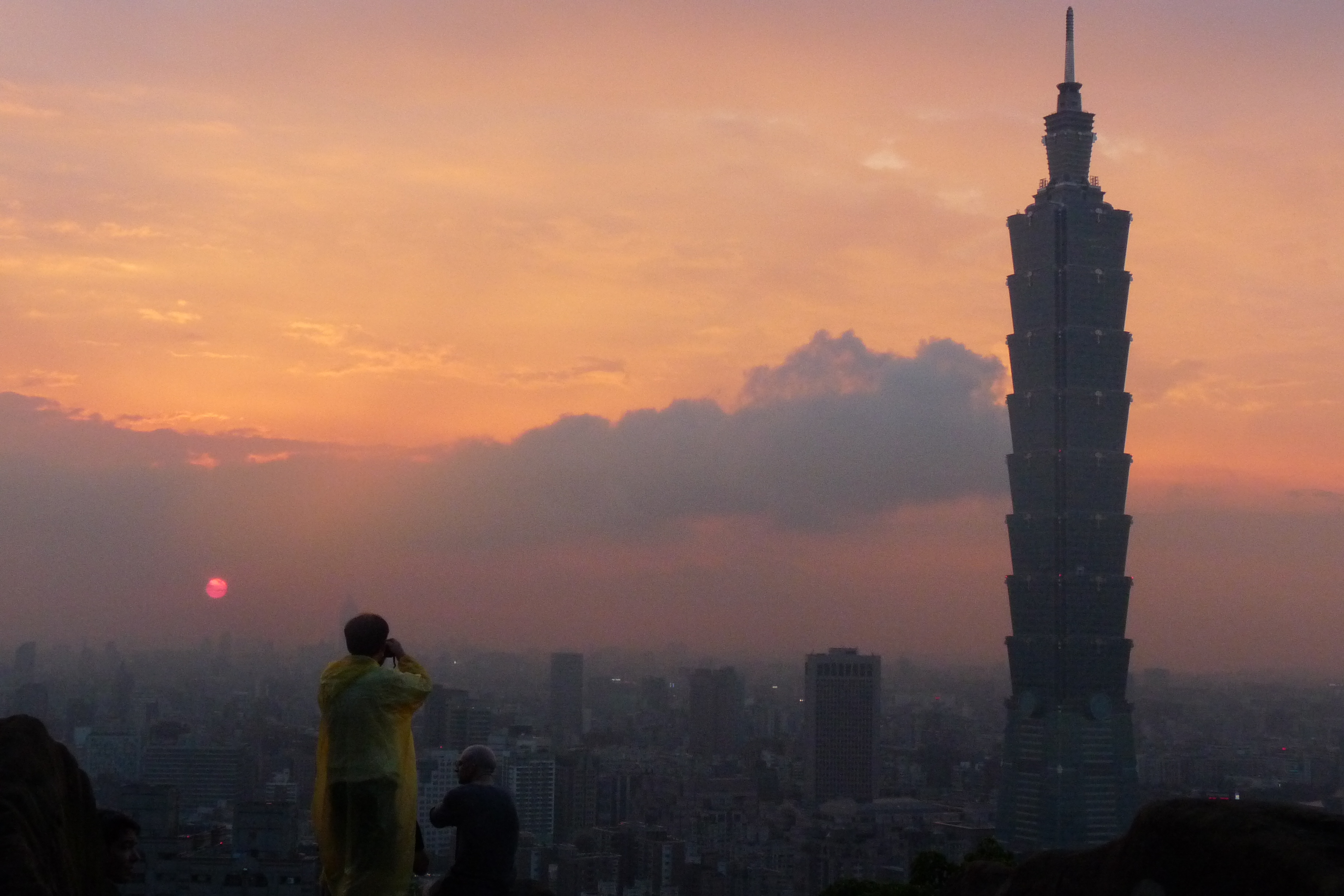
This is a view of the sunset from Elephant Mountain in Taipei which includes a view to the Taipei 101 Tower.

            Earlier this year, I had the chance to visit Taipei, the Taiwanese capital. Taiwan does not tend to rate highly on people’s must-see lists for the Far East.

            People tend to visit Japan, South Korea, and Hong Kong before they would consider Taiwan. But I can tell you that Taiwan deserves as much attention and can be a much cheaper holiday than the other three.

            Taiwan’s history is a turbulent one. Dating back to the 16th century, the Han people of China inhabited the island at the start of European trade. The Dutch and the Portuguese attempted to colonise the country. In fact, Taiwan’s other name is Formosa, which comes from the Portuguese phrase for beautiful island.

            Following the defeat of the Dutch colonisers by Ming Loyalists, Taiwan eventually became part of the Fujian province of China. In 1887, following defeat to the Japanese, the Qing Dynasty turned over Taiwan to Japan. Japanese culture still has a profound impact on Taipei as seen in their entertainment and popular culture today.

            In the early 20th century, a civil war on Mainland China broke out between communists and nationalists. Following the communists’ victory in 1949, the surviving nationalists and their armies and supporters fled to Taiwan. An uneasy relationship between Taiwan and China has existed every since. This is most evident in flight routes of the two national carriers, EVA Air and China Airlines, on flights from Europe and North America.

            These airlines are not allowed to fly into Chinese airspace on international flights, but are allowed to fly to China as evidenced by their extensive regional services into China. Great evidence of the logic of government. While you can get nonstop flights from Eastern North America on the Polar Routes, most Western European flights operate with a technical stop in Bangkok from London, Amsterdam, and Paris.

Getting to Taipei

            Taipei is service by Taoyuan Airport and Songhsan Airport. Songshan is right in the city but is a regional airport that handles flights from China, South Korea, and Japan. If you are touring the region, this is a good option if you are coming from any of these three countries.

            If you are flying from further afield, then you will land at Taoyuan Airport, which is about 40 km from the city. EVA and China Airlines have hubs at this airport. You can also arrive here using Air Canada (Vancouver), Air France, Air New Zealand, Cathay Pacific, Emirates, ANA, JAL, KLM, Korean Air, Asiana, Thai Airways, Singapore Airlines, and Turkish Airlines.

Getting from Taoyuan Airport

            The cheapest way to Taipei is on the Airport MRT. It costs NT$160 (£4; US$5, CAN$6.8; AUD$7.42, or 4.54 euros) and takes about 35 minutes. The train operates to Taiwan Main Station but between 6:05 and 23:35. If you arrive before or after the train you will need alternate transport. Trains have free wifi and phone chargers on board.

            Buses No. 1960, 1819, and 1961 are the cheapest method at NT$145 (1960) or NT$125 (1819 and 1961). Bus 1960 goes to the Xinyi District (Taipei 101) while the other two will go to Taipei Main Station.

            The third option is taxi. Taxis to the centre of Taipei cost about NT$1,200 (34 euros, AUD$55, CAD$51, US$38, or £30). There is a taxi rank outside the arrivals area.

            When I arrived in Taipei, I was approached in the terminal for a taxi which I took. It wasn’t until we were on the highway to Taipei that it struck me that I may have fallen for the biggest scam in the book — not taking a taxi from the official stand.

            So, I took out my phone and mapped the best route to the hotel. Not only did the driver follow the route, the price was cheaper than the taxi stand. I mentioned it to the person at the hotel check in and he said that sometimes Uber drivers hang around the arrivals area looking for a fare back to Taipei to make the journey worthwhile for them. But use at your own caution. The best thing to do is to ask the person soliciting rides if it is Uber.

Getting around Taipei

            Taipei has an excellent underground and bus system to get you to where you want to go. You can buy tourist cards before you arrive in Taiwan and decide where you want to pick it up: Main Station or Airport. These are valid on all forms of public transit in Taipei.

Weather

            Taiwan is a hot and humid country. I was there in February so it was nice to have a few days of 25C+. The winter is not humid but the summer can be stifling.

Hotel

            I stayed at the Citizen M Taipei which is a funky boutique hotel right in the centre of Taipei. It is about a 10-minute walk from the Taipei Main Station with lots of shops and restaurants nearby.

            The hotel is located by the Taipei North Gate which means it is a hub for the Taiwanese people. I was there just after Chinese New Year and they were holding concerts there at night.

            The four-star hotel is a small chain with hotels also in London, New York, Amsterdam, Paris, and Copenhagen. All rooms are exactly the same so everyone pays the same price for a room. The only choice is if you want a high floor or a low floor. I stayed on the 15th floor with views of the city and the river.

            The rooms are very modern with great amenities. The beds are king size with huge pillows (a rarity in Asia). One of the cool features of the room is the ability to stream your phone or tablet content to the TV. This is great if you want to watch a movie in your library before bed on a big screen rather than your small screen.

            Taipei is surprisingly affordable for hotel options. Most five-star hotels are cheaper than three-star hotels in London except for the W Taipei which tends to be the most expensive hotel in the city.

What to see

            There are lots of sights in this city. Taipei 101 held the title of tallest building in Asia for a while until the Burj Khalifa in Dubai eclipsed it. If you bought the tourist transit card, it comes with discounts and free entry to Taipei 101’s observation deck. At the bottom of the tower is a large shopping centre.

            Another significant attraction is the Chiang Kai-Shek Memorial Hall which is a huge complex dedicated to the founding president of Taiwan. On the hour, there is a changing of the guard in the main hall. There is also the lesser-known Martyr’s Shrine in Zhongshan District which is dedicated to those who died in the Chinese civil war.

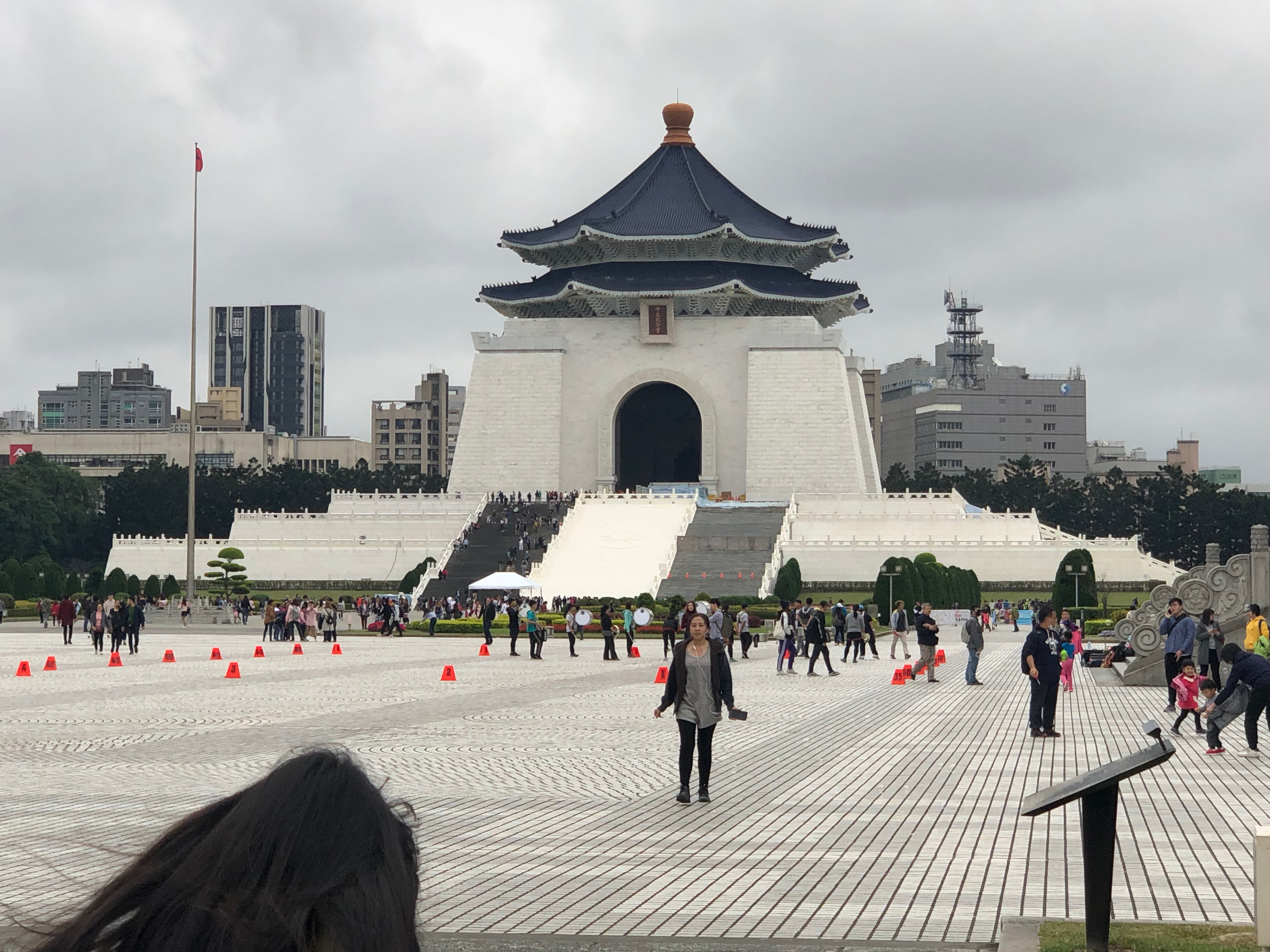
The Chiang Kai-Shek Memorial Hall in Taipei is key sightseeing spot in the middle of Taipei.

            There are many temples such as the Longshan and Bao’an Temples. Additionally, there are many museums and galleries in which you can pass your time.

            Beitou, Wulai, and Yangmingshan National Park are sites with hot springs where you can go for a soak and about a one-hour tube ride from the centre of Taipei. Prices range from NT$300 to NT$800 for a soak. But this might not be an option for those who don’t like to be nude around people because you are not allowed to wear even a bathing suit in the water. It is similar to the onsens in Japan and saunas in Finland.

            Hiking trails abound Taipei. One of the best ones is Elephant Hill which will afford you a view of the city including the Taipei 101 building.

Food

            Taipei is a lesser-known mecca for people who love to experience food in other countries and it is extremely cheap.

            The night markets, such as Shillin, attracts thousands of people every evening to try out a variety of dishes.

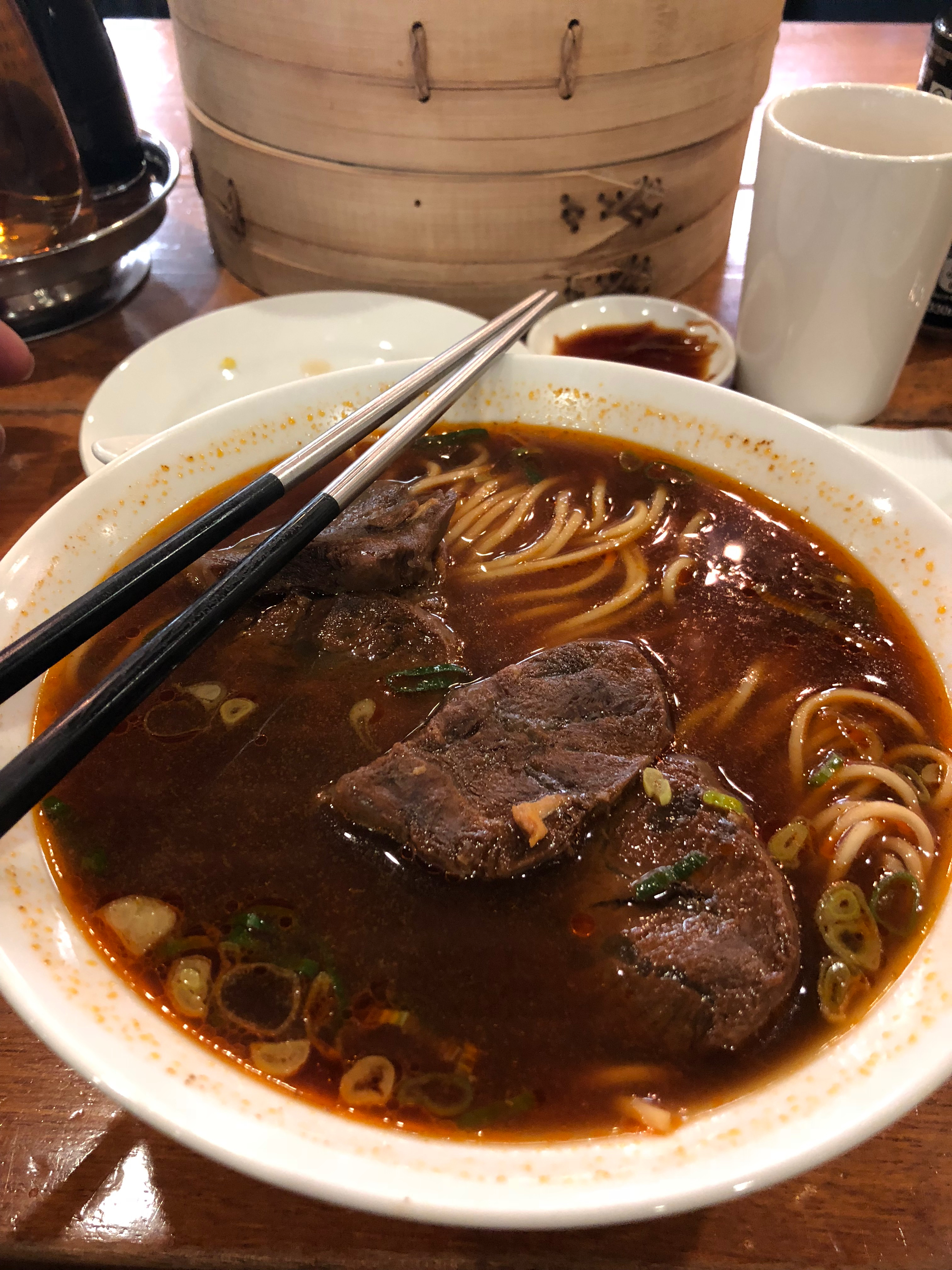
            The national dish is beef noodle soup which features tender beef and tend in noodles and a rich beef broth. In the more popular restaurants the broth has been cooking since they first open. There are a large number of restaurants and street stalls selling the concoction for less than £5 a bowl.

A bowl of beef noodle soup is not only filling and hearty, it is also the national dish of Taiwan.

            The ubiquitous stinky tofu is a Taiwanese delicacy. Tread with caution as it is an acquired taste.

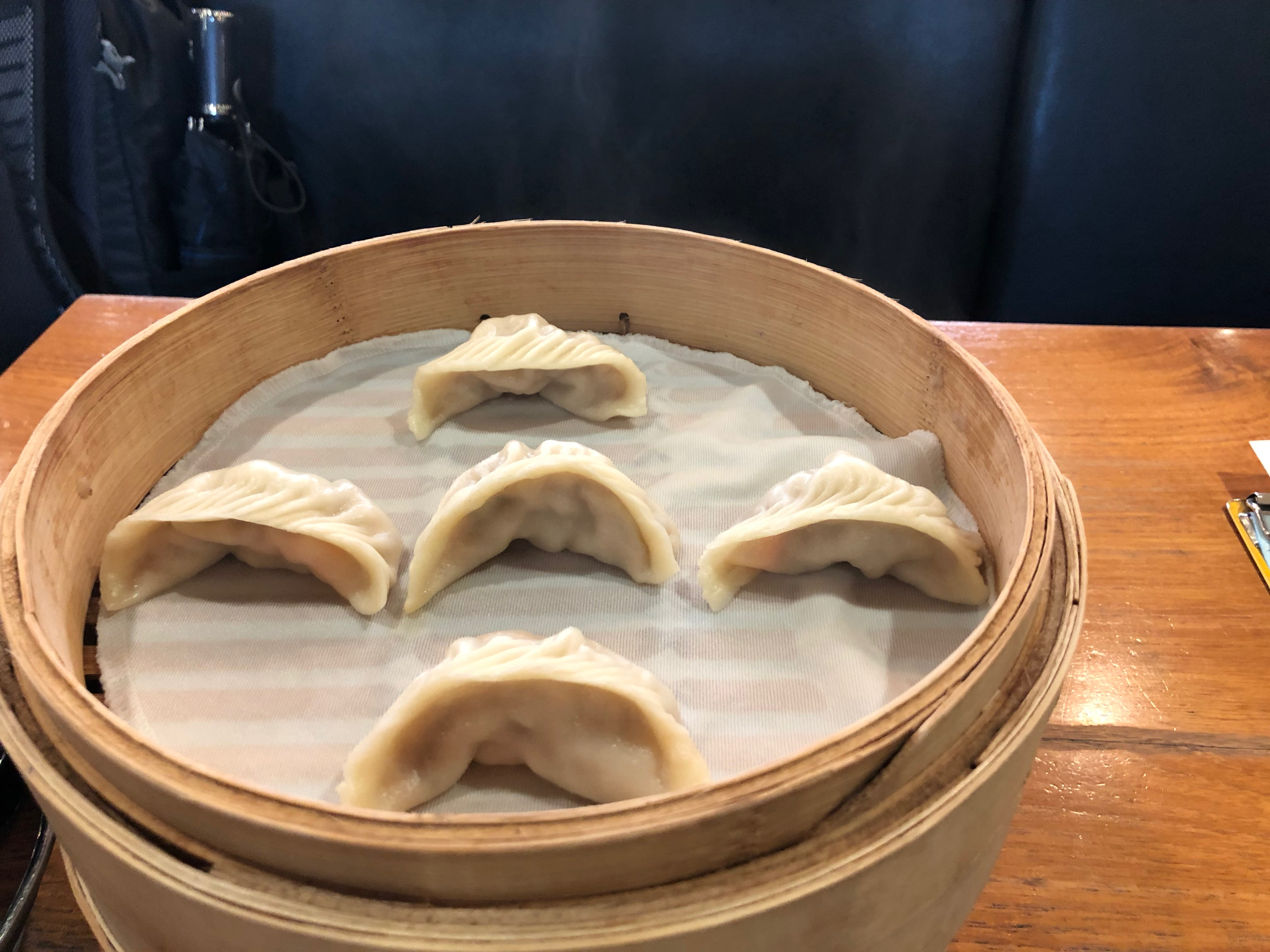
            One of the most renowned restaurants in Taiwan is Din Tai Fung which has several locations across Taipei and has branched out around the world. Popular with locals and tourists, it isn’t out of the question to stand in line for an hour just to get. Both times I went, I got there at about 10:45 and was in with the first seating when they open at 11:30. The signature dish is xiaolongbao which is a steamed soup dumpling filled with pork and hot soup. Three are instructions on the table on how to eat the dumplings because you can scald your mouth if you aren’t careful. Another specialty is the shao mai dumpling which has no soup and is stuffed with pork with a shrimp on top.

            You can also get the beef noodle soup and great fried rice dishes here. The Taipei 101 location I went to was very reasonable. Eight dumplings, a fried rice, and a beef noodle soup cost me about £10. I have been to their location in Covent Garden in London and these dishes will cost you about double the price at least. Unfortunately for my Canadian readers, the Ding Tai Fun in First Markham Place in Markham is not part of the company.

These delicate soup dumplings, or xiaolongbao, of pork and soup dumplings are a must-try at Din Tai Fung

            One of the best desserts in Taipei is pineapple cake. They are available everywhere. But the best in my opinion is at Sunny Hills. These are the most popular among Taiwanese people and across the region that the shop has branches in Singapore and Shanghai.

Sunny Hills’ main location is not far from Songshan Airport in Songshan District of Taipei. It is laid out like a restaurant it is a shop with a free sample.

When you go into the shop, you are taken to a seat and given a pineapple cake and a cup of Taiwanese green tea. The idea is that after the sample you can buy to take with you. The cakes are available in packs of 5, 10, and 16 cakes individually wrapped and stored in a nicely decorate wooden box, making them ideal for transport because you will want to take as much as you can home.

Overall impressions

            Taiwan is an off-the-path destination because most people who go to this region tend to go to Japan, China, Hong Kong, or South Korea. In terms of affordability, Taipei is very affordable. In the cost scale where I would put Southeast Asia (Thailand, Cambodia, Vietnam, etc.) at the cheapest end and Japan, Singapore, and Hong Kong at the most expensive end, Taipei would be closer to Southeast Asia. It’s not as cheap as, for example, Thailand, but you can have a good time without breaking the bank.

            The people are very friendly and most will attempt to speak English, which is a departure from other countries in the region where you can to rely on sign language and pointing to get things.

            Despite a significant amount of beggars around the Main Station, Taipei is a very safe city. The beggars are pretty harmless and tend to leave foreigners alone. This is another Asian city in which I never felt the need to be extra vigilant.

Luxury travel: My top 5 business class seats

            Not all business class seats are created equally. A part of the reason people pay a premium to fly business class is the privacy on board.

            We’ve seen it before in economy class where you have to fight for the armrest, wake people up to get out of the window seat to use the toilets or having the seat in front of you reclined so the seat back is in your face.

            There is zero privacy in economy, but there are a variety of business class seats that that offer you an oasis in the air. This post will look the best five business class seats on offer.

            One of the criticisms of business class travel in BA, Lufthansa, and some products on Air France and KLM is the privacy issue. BA is configured in such a way that, unless you are seated at the front or back of the cabin, you will have step over someone’s feet to get into the aisle. Lufthansa and some Air France and KLM configurations are two seats at the window, two in the middle, and two at the other window. Again, if you are seated at the window, you have to climb over people to get out.

            The most ideal cabins are the ones that offer aisle access to all passengers. Usually, this is achieved with a 1-2-1 configuration, but not always.

            I will examine cabin layout, advise on which seats are most ideal, and give you the pitch and width dimensions. Pitch refers to the distance from the back of the seat in front of your seat to the front of your seat. Width refers to the wideness of your seat from armrest to armrest.

5. Emirates staggered system

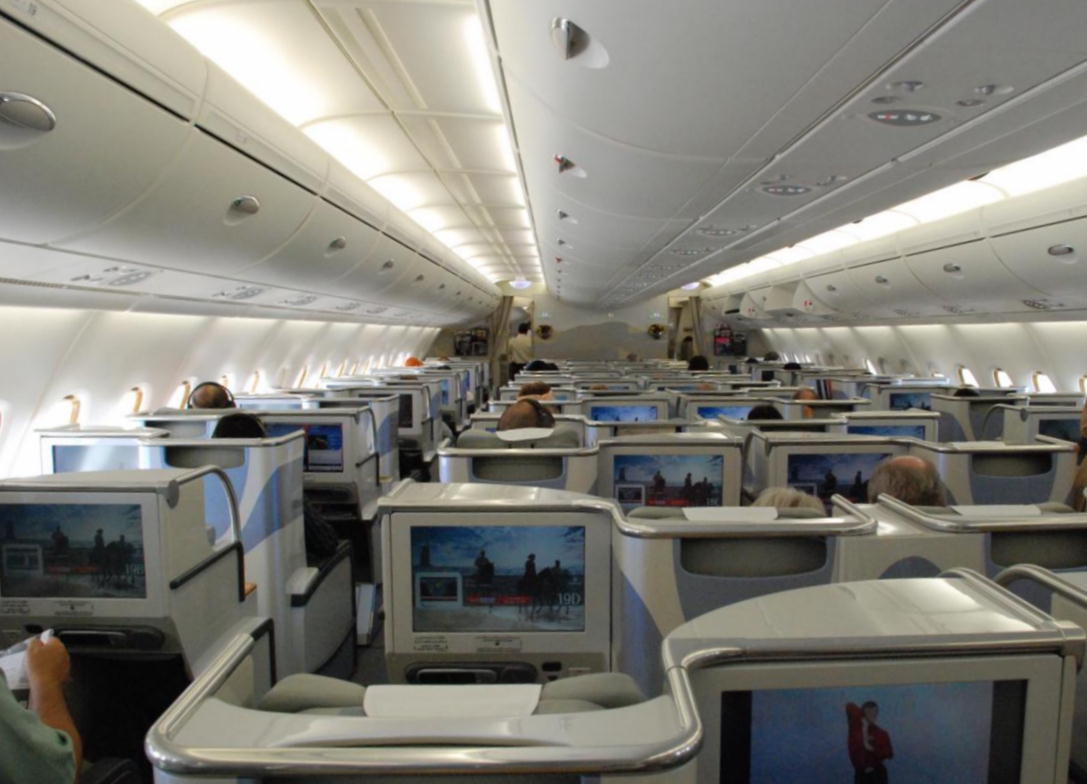
Emirates Airlines A380 business class product offers seats that alternate between direct aisle or seats that are closer to the window.

            The Emirates Airlines business class seat alternates between seats at the window and seats closer to the aisle for the window area seats. For the middle seats, it alternates between two seats next to each other or spaced closer to the aisle.

            Each seat has a small table with a minibar of soft drinks. The best seats for solo travellers that will give you the most privacy are those where the seat is closer to the window. This does two things: The table is next to the aisle which adds more privacy to the seat, and; between your seat and the window are a set of storage containers that give you additional space for smaller items.

            If you travelling as a couple or with a friend, the middle seats right next to each other are best because you are shielded with the tables from the aisle and you are next to each other.

            On the superjumbo Airbus A380, the business class cabin in most configurations takes up most of the upper deck of the aircraft. Business class is divided into two cabins. One of the best seats is the bulkhead (first row of the cabin) in the back, smaller cabin of the aircraft. Not only is your seat next to the window with the table adding extra privacy, but the bulkhead wall also adds to the privacy. The one drawback is that you are close to the bar at the back of the plane which can get a bit loud on routes where people like to congregate at the bar.

Other airlines that use a similar configuration: Thai Airways; All Nippon Airlines

Pitch/width: 48 inches/18.5 inches. A disadvantage of Emirates is that it offers one of the narrowest business class seats. It is only ½ inch wider than economy.

4. Herringbone


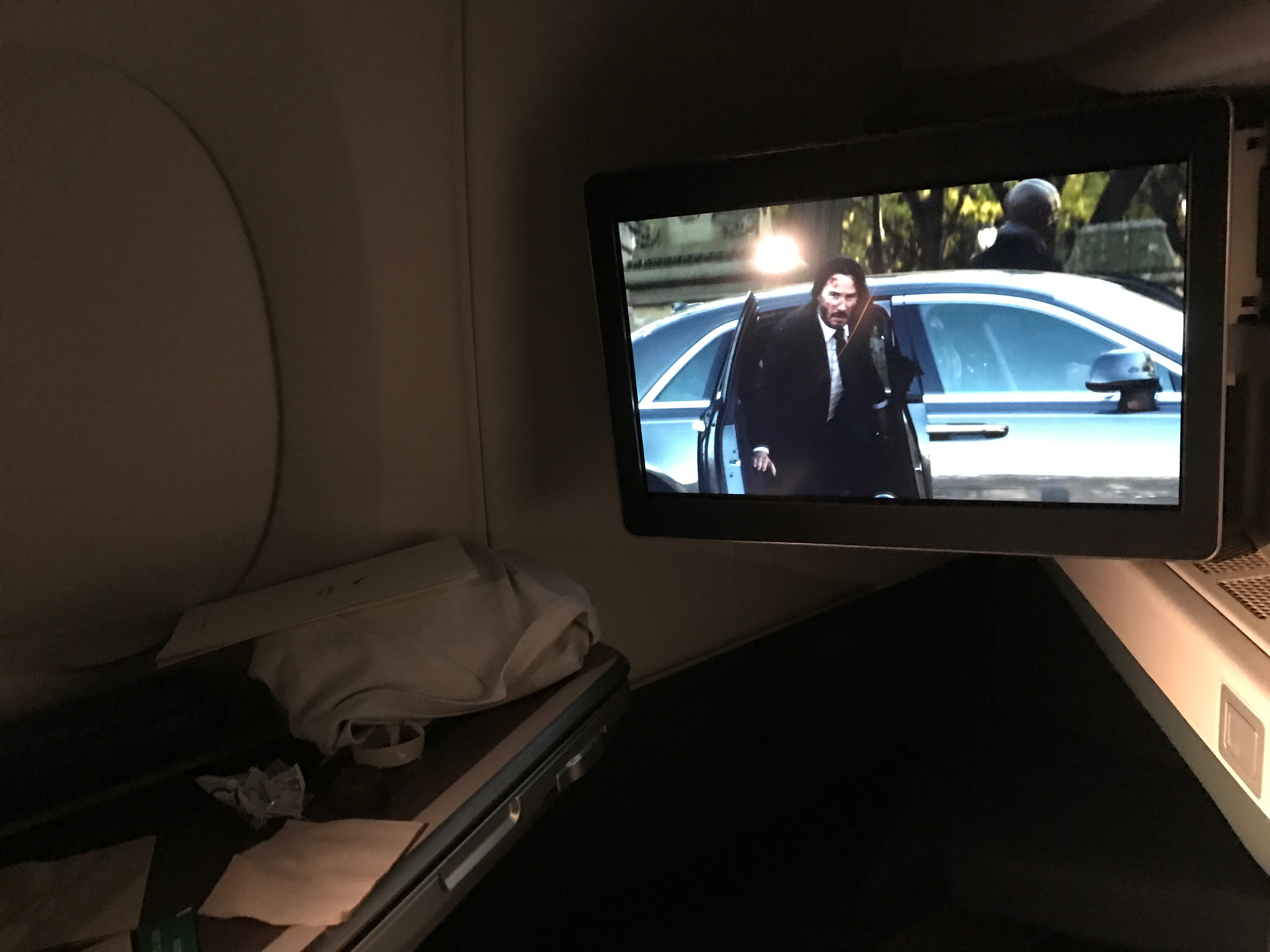
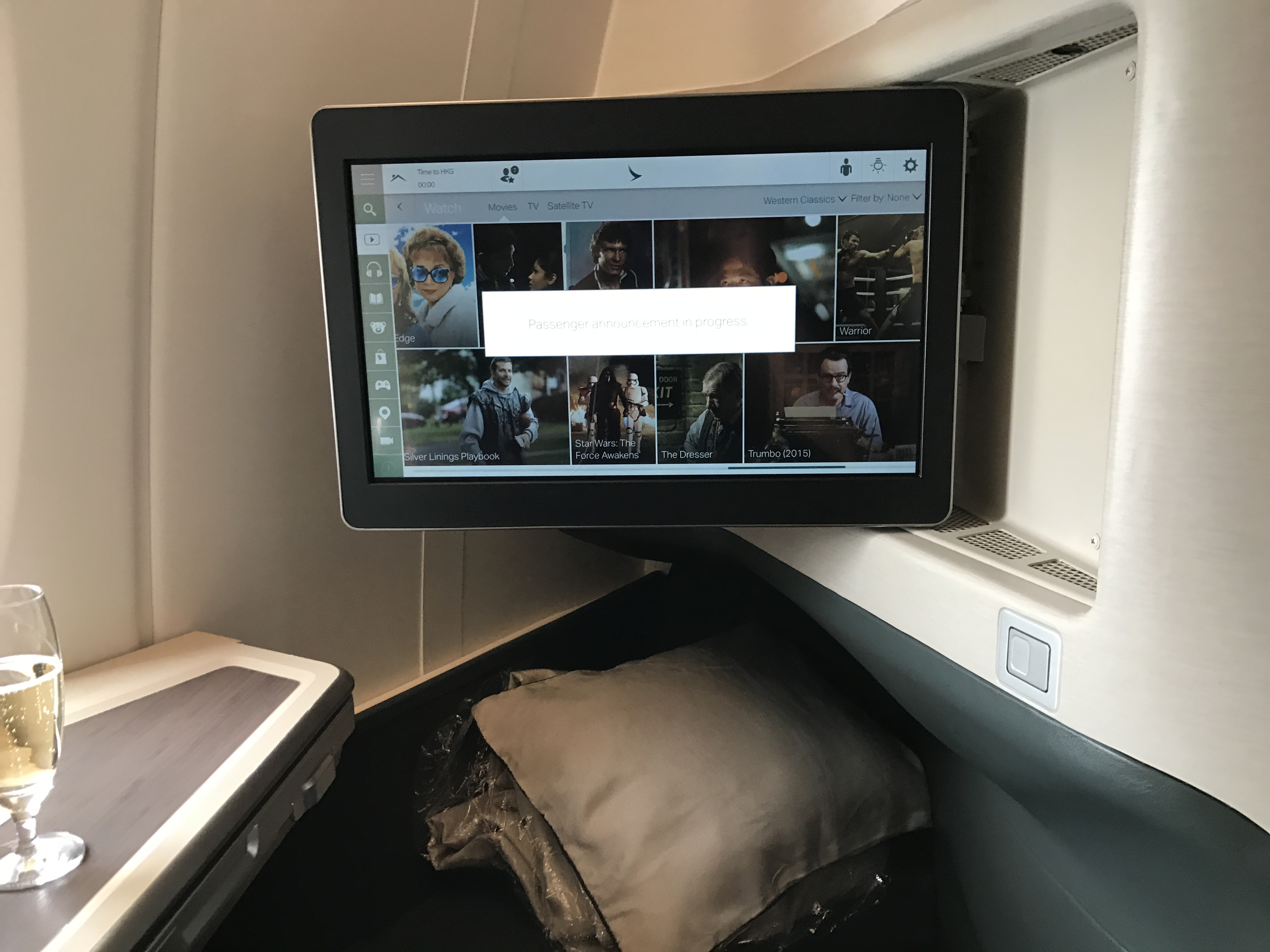
In Cathay Pacific’s Airbus A350-900, the reverse herringbone sits at a 30-degree angle to the plane. The TV slides out from a side panel for viewing.

This is pretty much what it sounds like it is. An overview looks like fish bones. The cabin is laid out in a 1-2- format which means aisle access for all.

            Passengers sit at an angle to the direction of the plane which means you sit at about a 30-degree angle to the path of flight. But this isn’t something that makes a difference as you don’t really feel it.

            There are two types of herringbone seating: forward and reverse.

            Virgin Atlantic offers the forward variety which isn’t as great as you can’t look out your window, you face the aisles, and you lose a bit of that privacy.

            The reverse herringbone is much better because you face inward and the seat shell tends to give you a bit more privacy.

Reverse herringbone configurations: Cathay Pacific, Finnair, newer KLM/Air France business class, and Air Canada

Pitch/width: Air Canada (70/21); Cathay Pacific (81/21); Finnair: (78-81/21). As you can see, reverse herringbone gives you a lot more leg room and seat width than the Emirates seat. Because you are sitting at an angle, the legroom is greater because you are seated diagonally from the front.

Recommended seat: Either the last row of the main business class cabin or in the smaller business class section if offered. This gives you a bit more privacy. If you are in the last row of business class, then no one other than the odd flight attendant will walk past you.

3. Singapore Airlines new business


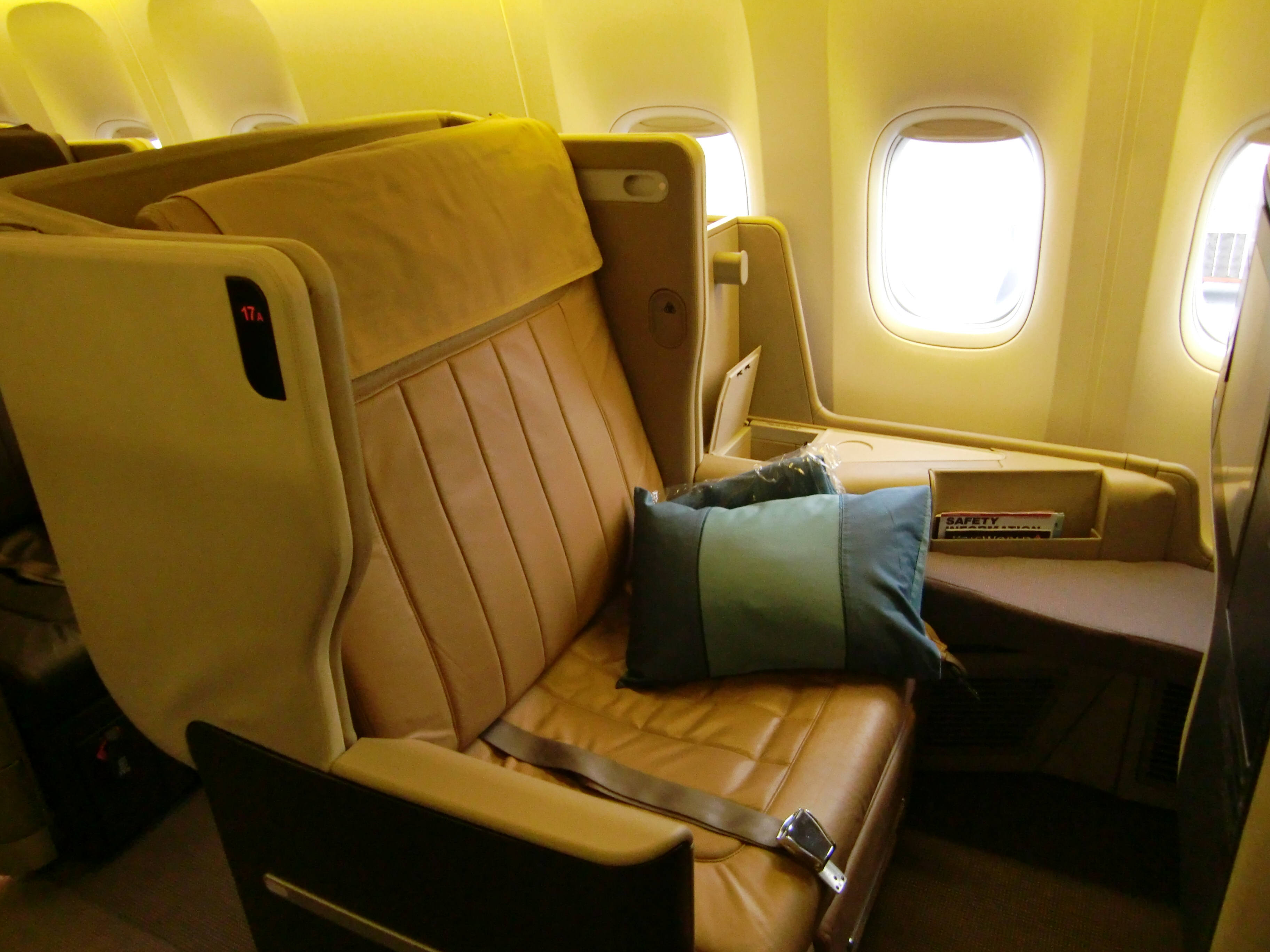
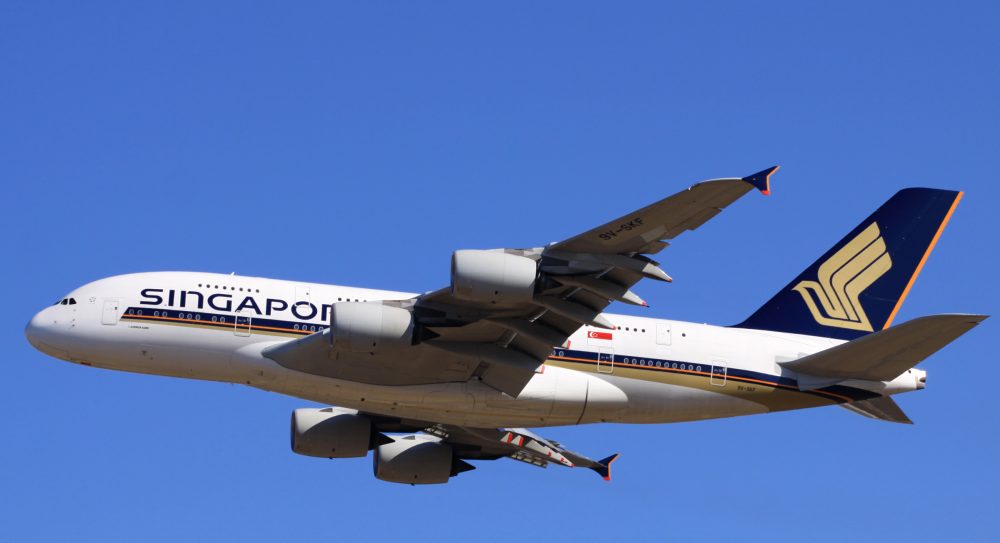
Singapore Airlines offers the largest business class seat in the industry.

            Singapore Airline often ranks as the world’s best airlines. Skytrax, the industry standard for airline ratings, often rates Singapore in the top 3 for overall experience, usually in the No. 1 spot.

            This high rating also comes from the business class seat. It is in a 1-2-1 format and has the widest seat in any business class. It is so wide that you can fit two children in one seat.

            Among the amenities you get are the two pillows and a thick duvet for the flight. Unlike other business class products where you push a button and the seat collapses down into the bed position, Singapore’s bed is created by undoing a latch on the seat back and pulling down the seat back to form the bed. That is why it also has the highest seat back of any airline.

            The one criticism of the Singapore seat is that, even though it faces forward, when it is in bed mode, your feet are forced to be at an angle to your body because the foot well is off to the side of the bed. This tends to be what people don’t like about the product.

Pitch/Width: 55/30. To put into perspective how good any cabin in Singapore Airlines is, their seat width in economy class (19) is wider than Emirates’ business class (18.5).

Best seat: If you are on the superjumbo A380 in which business class takes up most of the upper deck, the very last row (row 96 old configuration; row 97 new configuration) are best. Yes, the toilets are not far and the galley is behind you, but these are emergency row seats which means it’s like a suite to yourself. But, since Singapore tends to be too pricey for most people, there are times when the back end of the A380 could be just a handful of passengers. Singapore tends to use these planes on its Singapore to Australia and Singapore to Western Europe routes.

Who else offers these seats: No one. It is bespoke to Singapore Airlines.

2 Apex Suites

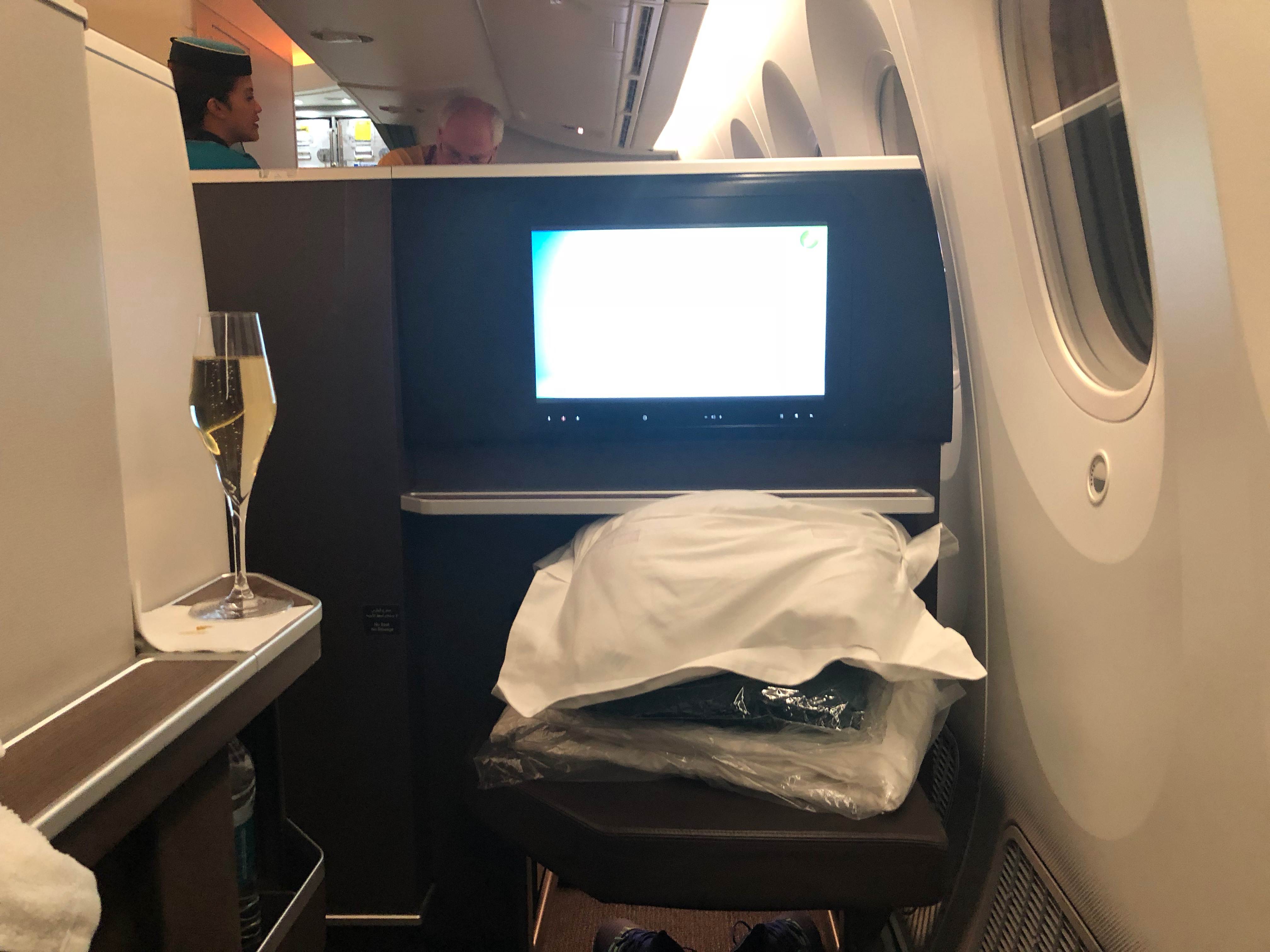
From a seated position, it is evident how much privacy you have in the Apex Suite on board the Oman Air Boeing 787-9.


   On first glance at a seat map of an Apex Suite looks like a 2-2-2 configuration. But it isn’t. The window seats are set slightly ahead of the aisle seats which creates a little passageway behind the aisle seat TV so you don’t have to climb over anyone.

            This means the window seat is almost closed in save for the passageway. You get even more privacy if you bring up the privacy screen that separates your seat from the one next to you.

            In terms of privacy, these are among the very best seats.

            For people travelling in pairs, the mid-cabin seats are next to each other but you still have a bit of privacy as you have to walk through the galley to the other side to get to the other seat.

Airlines that offer Apex Suites: JAL, Oman Air

Pitch/Width: JAL (74/25.5); Oman Air: 80/22.8)

Best seat: Any of the window seat. If you are travelling on Oman Air’s Boeing 787-9, Row 15 is in a cabin all to itself so you won’t have more than six passengers in the cabin. When I used this service, there were six of us travelling together so we had an entire cabin to ourselves including a toilet just in front of the cabin.

1 Q-Suites Qatar Airways


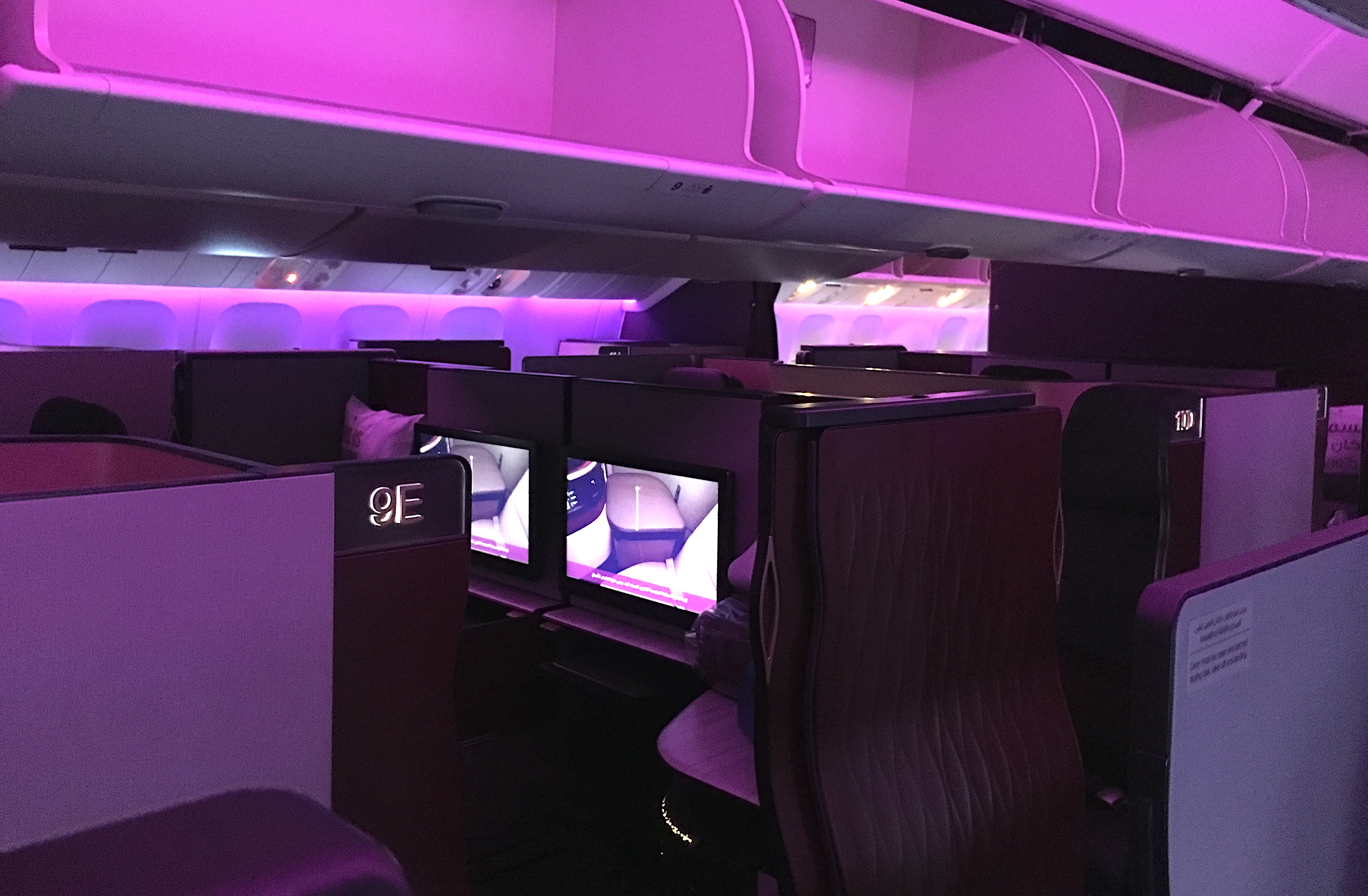
Qatar Airways offers you chance to experience first-class travel in business class in its new Q-Suite product which features sliding doors that create a completely private suite normally located in first class.

    Qatar Airways offers three types of configurations in business class: a regional 2-2-2 with no aisle access for window seats (Boeing 777s; Airbus A330, A340); reverse herringbone (Boeing 787, Airbus A350-900, A380), and; Q-Suite (Newer Boeing 777s; Airbus 350-1000).

            Q-Suites were launched in 2017 with a clever marketing slogan: “First in Business”. It was a first because no other airline offered it and it is like first class in business class.

            The configuration is 1-2-1 but all seats have a sliding door to create a completely private suite similar to some of the high end first class cabins in Singapore Airlines, Emirates, or Etihad.

            Like Emirates, seats alternate between being next to the aisle or a table away from the aisle.

            The window seats next to the aisles face backward while the aisle seats are forward-facing. Once you’re in the air, you can’t tell the difference if you are facing the tail or the nose of the plane. It is most telling on taxiing, take-off, and landing.

            It is also the same configuration and direction for the middle seats. The seats next to each other face backward while the ones on the aisles face forward.

            But what makes the Q-Suites even more amazing is the fact that if you are a family of four or a group of four, you can take up two rows of the middle seats, and the panels can be removed inside to create a small apartment for four. Also, when converting to a bed, the two inside sides that are adjacent to each other can be turned into a double bed when the crew puts a long padding between the seats.

            Q-Suites is Qatar Airways’ way of providing a first class experience at a business class price. In fact, Qatar Airways is moving away from First Class. As it stands, only five of their aircraft types have a first class cabin.

Airlines that off Q-Suites: Only Qatar, but the concept of having a sliding door in a business class seat is catching on as BA will soon roll out their Airbus A350 service with a sliding door.

Pitch/Width: Boeing 777-300ER (79/21.5); Boeing 777-200LR (103/17.4); Airbus A350-900 (103/21.5); Airbus A350-100 (103/21.5).

Q Suite routes: Here is a list of Q-Suite flights Qatar Airways offers. Flight numbers are in brackets).

Asia-Pacific:

Bangkok (830/831); Bangalore (572/573); Hong Kong (816/815, 818/817); Maldives (672/673, 674/675); Mumbai (556/557); Shanghai (870/871); Sydney (906/907); Singapore (942/943, 944/947, 946/945); Beijing (892/895, 896/895); Tokyo Narita (806/807); Tokyo Haneda (812/813); Canberra (906/907); Auckland (920/921).

Europe:

Amsterdam (273/274); Berlin (77/78, 81/82); Frankfurt (69/70); London (1/2; 5/6; 7/8; 15/16); Paris (37/38); Stockholm (171/172); Zurich (93/94, 95/96); Munich (57/58, 59/60); Milan (123/124, 127/128); Copenhagen (161/162)

Americas: Chicago (725/726); Houston (713/714); New York JFK (701/702; 703/704); Washington DC (707/708); Los Angeles (739/740); Dallas/Fort Worth (729/730); Boston (743/744); Montreal (763/764); Sao Paulo (773/774); Buenos Aires (773/774)

Qatar Airways returns to top of Skytrax best airline list after dropping last year’s title to Singapore Airlines

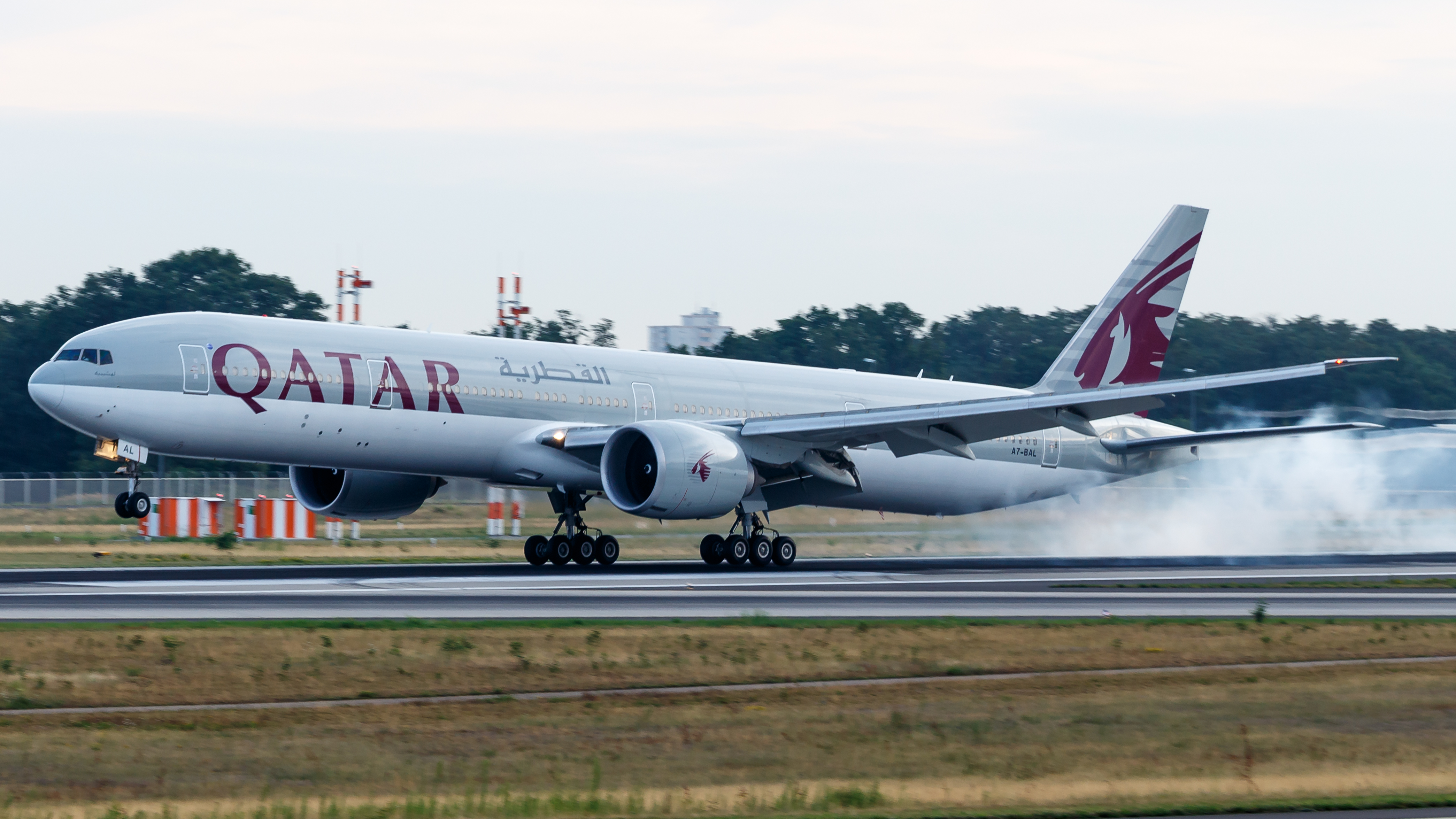
A Qatar Airways Boeing 777-300ER lands at Frankfurt Airport on a flight from Doha. Qatar Airways won its fifth Airline of the Year award since 2011 at the Skytrax Awards held this week at the Paris Air Show.

            Qatar Airways has been named the world’s best airline by Skytrax at the Paris Air Show this week.

            It is the fifth time the Qatar carrier has topped the list since the awards started in 2001. This is the fifth win in nine years for Qatar.

            The Middle Eastern carrier took the title from Singapore Airlines which dropped to second in the Top 10 list of the world’s best airlines. In the 19-year history of the awards, Singapore has only failed to make the Top 3 twice.

            Qatar flies to more than 140 destinations around the world and boasts the industry-leading Q-Suite business class product.

            From the Top 10, only two non-Asian carriers, Qantas Airways and Lufthansa, made the list.

Although Singapore Airlines lost out top spot as airline of the year, its cabin crew was voted best in the world for a second year while its home airport, Changi was named best airport for the 7th year in a row.

            Rounding out the Top 10 were ANA (Japan, No. 3), Cathay Pacific (Hong Kong, No. 4), Emirates (UAE, No. 5), EVA (Taiwan, No. 6), Hainan Airlines (China, No. 7), Qantas (Australia, No. 8), Lufthansa (Germany No. 9), and Thai Airways (Thailand, No. 10).

            North American carriers continue to take a beating in the list with the highest ranked carrier being Air Canada at No. 31. The top U.S.-based airline is Jet Blue at No. 40.

            Singapore Airlines’ home base, Changi International Airport, was voted world’s best airport for a staggering seventh year in a row. Changi has dominated the award, winning 10 times in the award’s 21-year history.

            In other awards, it was an Asian clean sweep for best cabin crew with Singapore Airlines winning the award again. Rounding out the top 10 were: Garuda (Indonesia, No. 2), ANA (No. 3), Thai Airways (No. 4), EVA (No. 5), Cathay (No. 6), Hainan (No. 7), JAL (Japan, No. 8), Qatar (No. 9), and China Airlines (Taiwan, No. 10).

            Austrian Airlines was the top rated non-Asian carrier for the cabin crew at No. 12 and no North American carriers rated in the Top 20.

New aircrafts designed to help battle jet lag, other adverse effects of flying

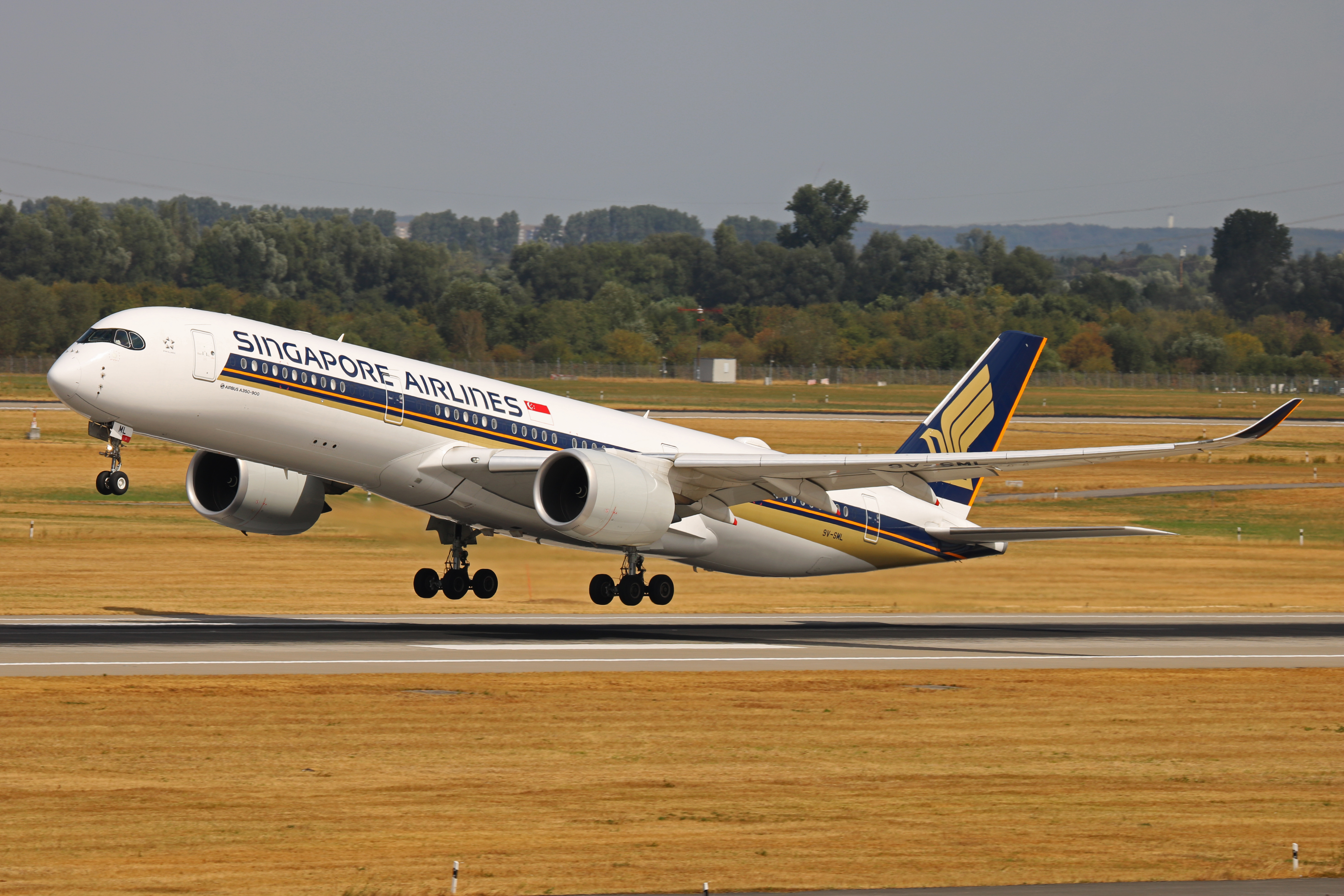
A Singapore Airlines Airbus A350 touches down. Singapore Airlines uses the ultra-modern aircraft on its Newark to Singapore route which is the world’s longest nonstop route and takes just less than 19 hours.

         If you think spending half a day in an airplane to travel to other side of the globe is a long time, consider the early days of aviation and the Kangaroo route.

         The Kangaroo route is the Sydney, Australia to London, England route that has been in existence since 1947.

         Today, QF1, Qantas Airways’ flagship route to London from Sydney takes 24 hours and 30 minutes in an ultra modern Airbus A380 and includes a stopover in Singapore. QF2, the return journey, takes a slightly shorter 22 hours and 5 minutes thanks to the tailwinds and also stops in Singapore.

         But in the early days of the route, fights took days with stops in Darwin, Singapore, Kolkata, Karachi, Cairo, and Tripoli with passengers spending the night in Singapore and Cairo.

         It wasn’t until 1971 and the launch of the Boeing 747 jumbo jet that London to Sydney could be done in one stop.

         If you were stuck in an airplane for more than 12 hours, it has significant impacts on your body beyond jetlag You have worry about deep vein thrombosis, swollen feet, dehydration, to name a few things.

         But today’s new ultra long-haul carriers are designed with your health in mind. In the past few years, Airbus launched the Airbus A350 and Boeing the Boeing 787.

         These aircrafts are lighter, make use of composite materials, and has a self-regulation pressure monitor to ensure your comfort at all times.

         I have flown both and prefer the Airbus A350 because the biggest thing I have noticed on those planes is that my nose does not feel as dry as the Sahara after a long flight as it tends to be situation on almost all of the other airplane types.

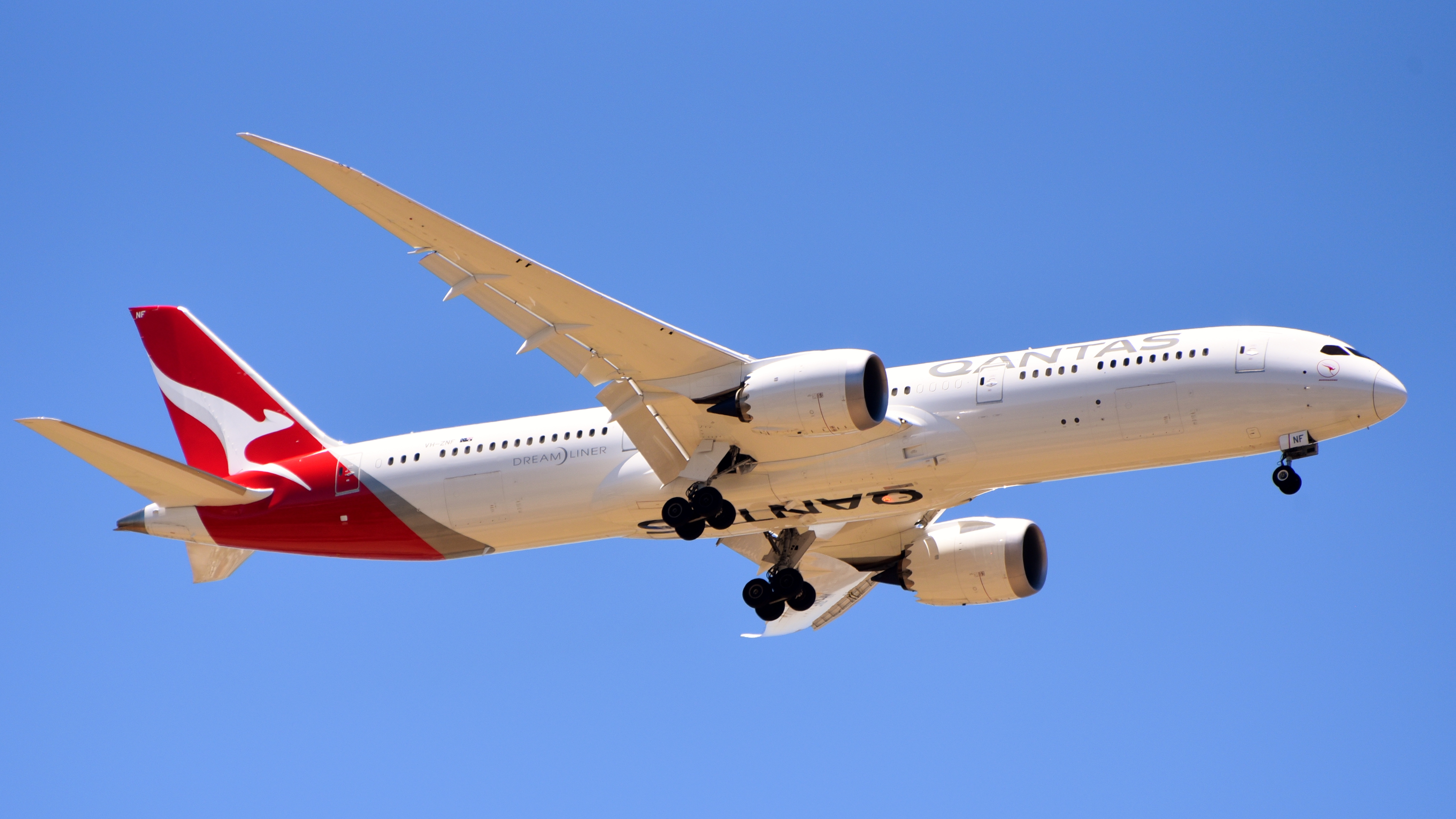
Qantas Airways’ Boeing 787 is operated on the airlines non-stop service between Perth, Australia and London, England.

         It is no coincidence that the A350 and Boeing 787 are used on two of the three longest commercial flights in the world. Singapore Airlines uses an ultra long range model of the A350 on the Newark to Singapore route which clocks in at a staggering 18 hours and 45 minutes non-stop. Qantas Airways uses the Boeing 787 on its non-stop flights between Perth and London which takes about 17 hours and 20 minutes.

         While the Qantas flight as a traditional layout of business, premium economy, and economy, Singapore uses a special layout of only business and premium economy to ensure greater comfort on this ultra long-haul flight.

         A roundtrip on the Newark to Singapore route also gives you the unique experience of circumnavigating the earth because from Newark the flights travel east across the Atlantic, over Europe, into the Middle East, over India, across the Indian Ocean and into Singapore.

         The return flight leaves from Singapore and travels up the Malaysia coast before veering over Japan and then Russia, into Alaska, over Canada, and into Newark Airport.

         If you are flying long distances, pay attention in the flight options to the type of aircraft the carrier is using. My recommendation is to use the Airbus A350 or Boeing 787 if they are options.

Viva la revolucion: Following Che’s motorcycle journey of enlightenment

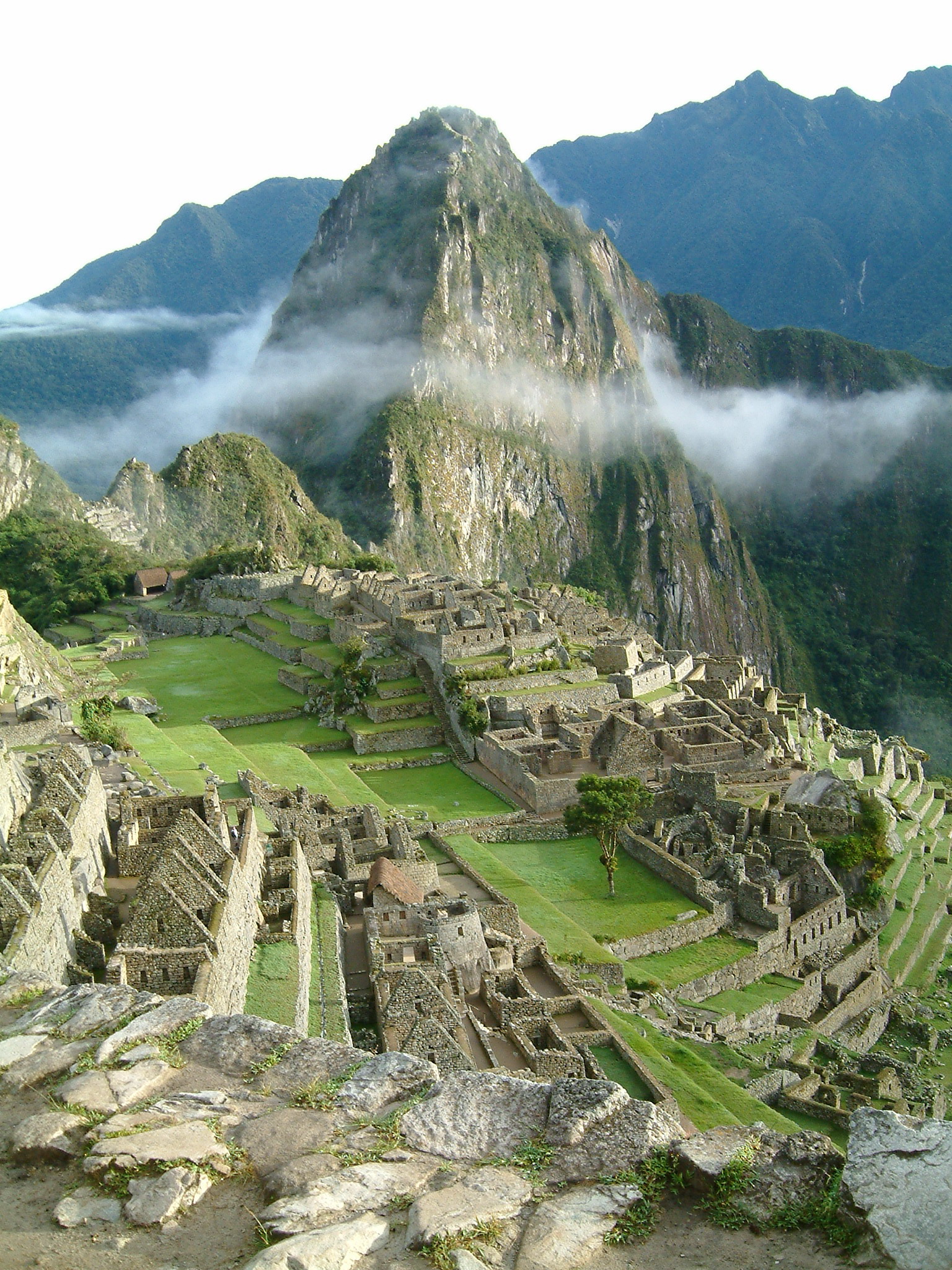
The majestic Machu Picchu was one of the major stops on the journey of enlightenment.

         In January 1952, a 23-year-old medical student and his 29-year-old biochemist friend set off from Buenos Aires, Argentina to see South America. On the back of a 1939 Norton 500cc that was one pothole or so from the junkyard, the two men set off on an odyssey across the Andes, through the Atacama Desert, and into the Amazon River Basin.

         This nine-month journey across a continent was much more than an end-of-school holiday because along the way the young medical student witnessed first-hand the social injustices poor mine workers, lepers, and the at-risk descendants of a once-might Incan kingdom. This journey represented a profound paradigm shift in our protagonist because this was the story of the formative years of the great revolutionary, Ernesto “Che” Guevara.

         My third bucket list trip would be to retrace the South American portion of Che’s journey of enlightenment.

         Che Guevara and his friend, Alberto Granado, began their journey in Buenos Aires with the idea of ending at a leper colony in Peru where they could help the affirmed with their medical skills.

         The travelled to Miramar where Guevara’s girlfriend was spending the summer. And, being a man in love, the two-day stop turned into eight.

         Eventually leaving Miramar, the pair made it to Bariloche which was their last stop in Argentina before crossing the border into Osomo, Chile.

         They continued on towards larger towns and cities until they passed through Santiago and Valparaiso.

         The first important stop in Che’s journey of enlightenment was Chuquuicamata Calama, one of the world’s largest open pit copper mines. It was here that Che met a homeless couple.

         Of the couple, Che wrote: “By the light of a single candle … the contracted features of the worker gave off a mysterious and tragic air … the couple, frozen stiff in the desert night, hugging one another, were a live representation of the proletariat of any part of the world”. (

         The pair would then cross over to Peru at Tacna before moving on to Torata.

         Here, Che wrote: “A beaten race watches us pass through the streets of their town. Their stares are tame, almost fearful, and almost completely indifferent to the outside world. Some give the impression that they live because it is a habit they can’t shake.”

         This vivid description of a people who had lost the will to live was part of Che’s baptism by fire from the shielded privileged middle class world to which he was accustomed to the stark reality of the world of the disadvantaged.

         They continued their path on to Machu Picchu and the first signs of Che’s disdain for the capitalists as evidenced by his reaction to the American tourists who had come to climb the mountain.

         The continued on through some small towns before they were side-lined after Che’s asthma forced him into hospital. Eventually they got back on the road and made it to Lima.

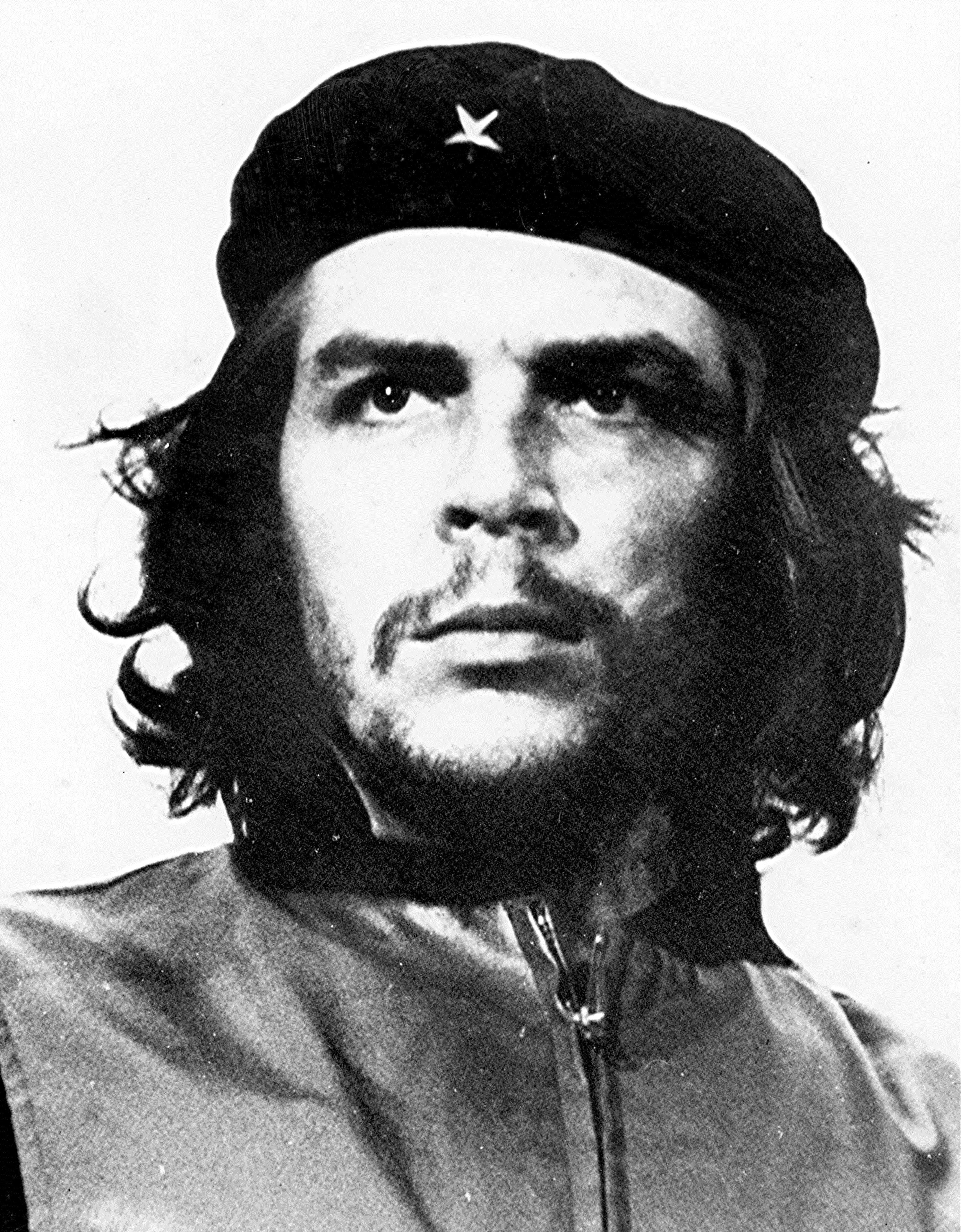
Ernesto Che Guevara

         In what can only be seen as an ironic twist, on 1 May (Labour Day), Che met a Marxist scientist named Hugo Pesce with whom he conversed in what Che readily acknowledged to be the conversations that led to his evolution in attitude towards life.

         By the time Che and Granado arrived in Iquitos, asthma forced Che to rest for six days. They then moved on to a leper colony at San Pablo de Loreto where he saw there was a shortage of clothing, food, and proper medical supplies for the lepers.

         By July, the pair made it up to Bogota, Colombia where Che witnessed how the disenfranchised were being alienated by the right wing government. In a letter to his mother, Che wrote: “There is more repression of individual freedom here than in any country we’ve been to, the police patrol the streets carrying rifles and demanding your papers every few minutes.”

         This marked the end of the South American journey and Che’s political odyssey.

         Back in the 1950s this would have been a nine-month journey, but today it could probably be done in half the time. Better transportation infrastructure, more choices for transit, and better roads would mean a better journey.

         But surely, if I wanted to retrace the revolutionary’s footsteps I would need to do so on bike, wouldn’t I?

The Bucket List: Pakistan Zindabad! Mysterious land with something for all tastes

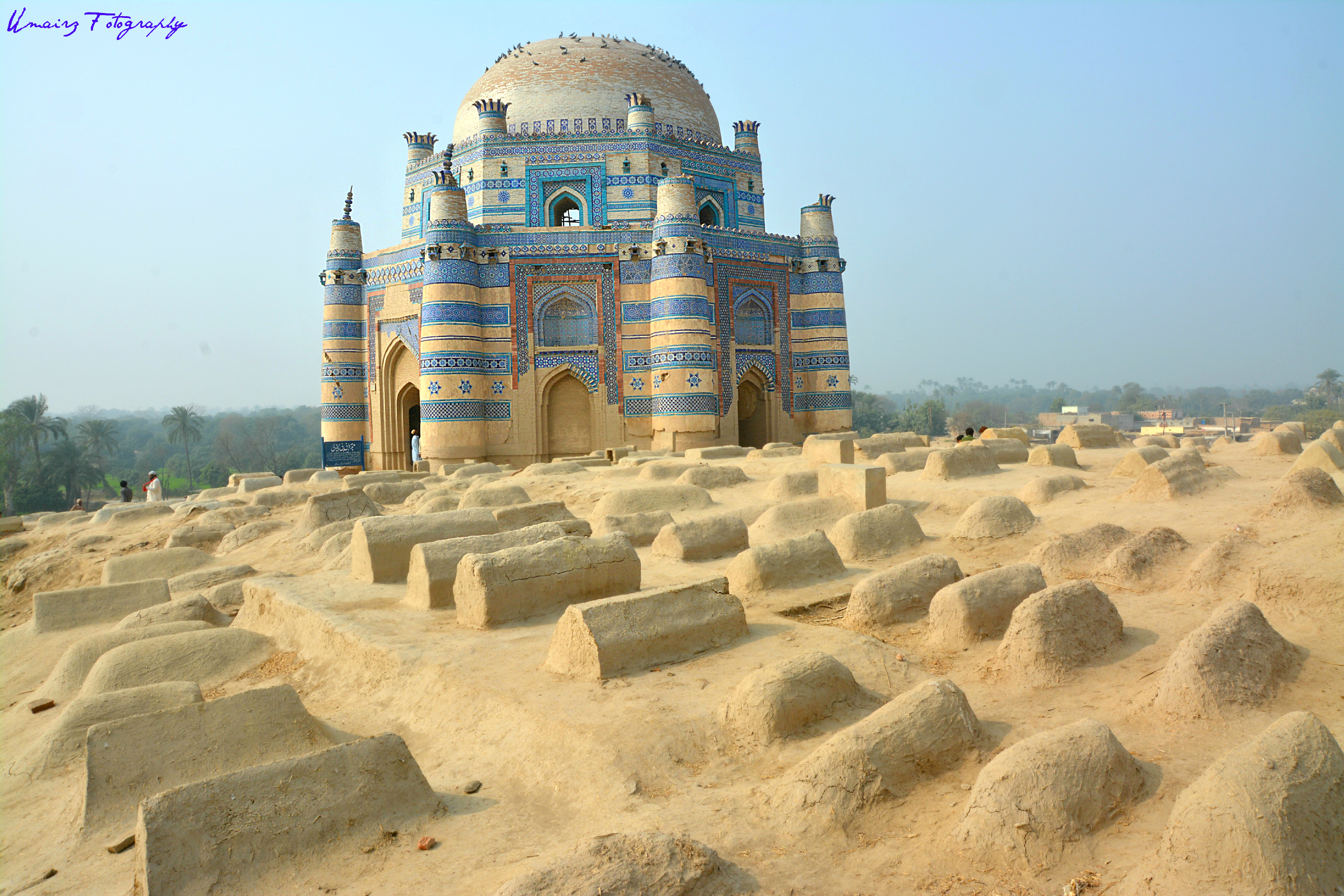
The tomb of Bibi Jawindi is found in Uch in Hyderabad province, Pakistan. Archeological evidence shows that Uch was founded by Alexander the Great in 325 BCE and called Alexandria of the Indus.

         Another place on my bucket list is a country that has a bad reputation based mainly on biased media reports of the place: Pakistan.

         If you searched the internet for the news perspective on Pakistan, it is a no-go zone with terrorists waiting to blow up everyone. It is overrun with Taliban and extreme fundamentalists.

         But if you look beyond the headlines to other travel reports and blogs of people who have taken the time to visit the country, you find a land that is filled with warm, welcoming people, rich cultural heritage, and breath-taking natural beauty.

         Pakistan is a land with something for everyone. If you travel to see history, experience different cultures, try new foods, visit historical sights or to climb mountains, it’s all in Pakistan.

The Throne Room of the Mountain Gods

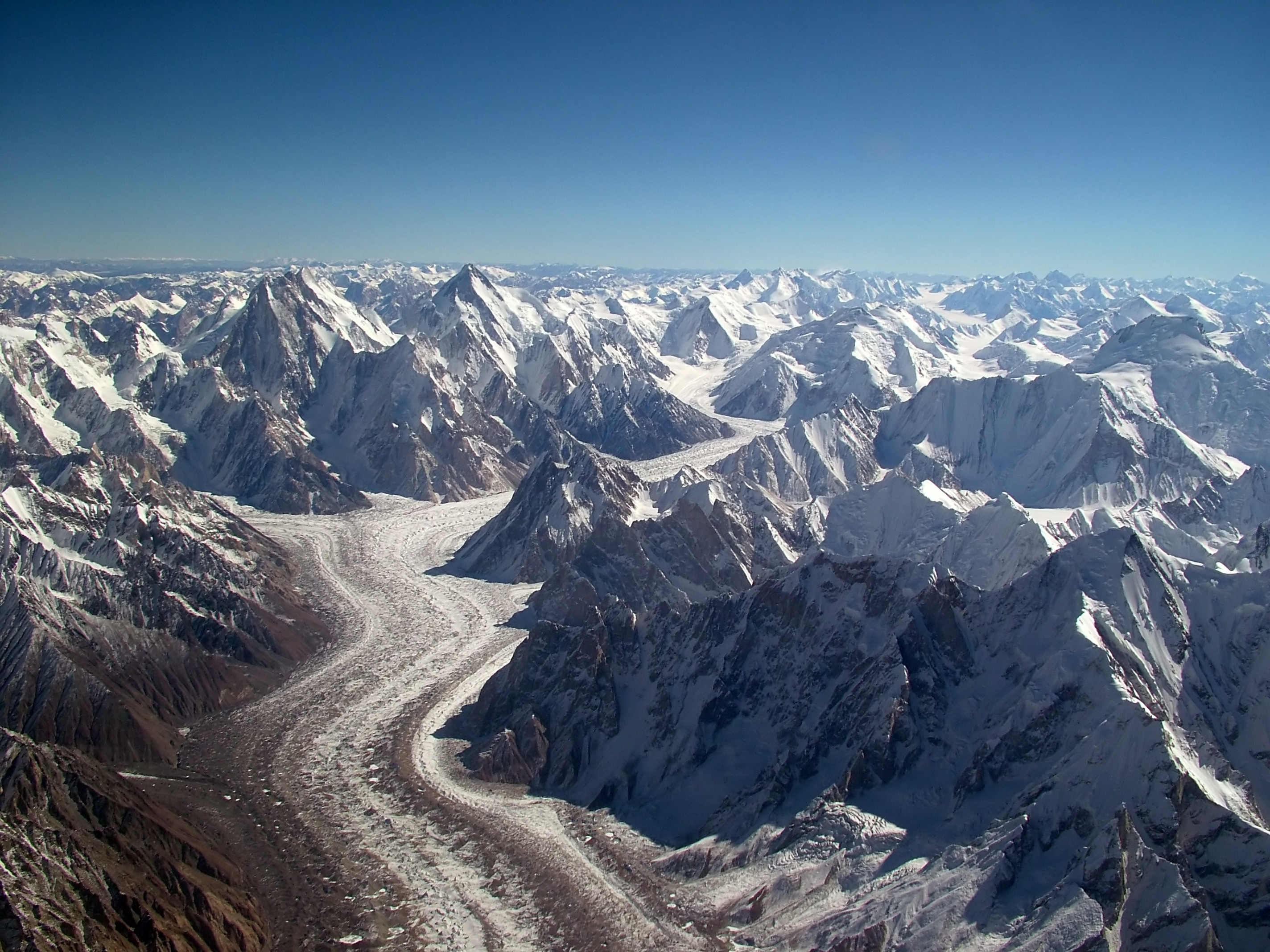
This aerial view of the Baltoro Glacier shows the pathway to Concordia, also known as the Throne Room of the Mountain Gods because the area is home to four of the 14 8,000-metre peaks in the world.

         One of my goals in life is to trek the to Concordia in the heart of the Karakoram mountain range in the Gilgit-Baltistan region of Pakistan. Concordia is also known as the Throne Room of the Mountain Gods.

         This is because Concordia is access point to four of the world’s 8,000-metre peaks — K2, Gasherbrum I, Broad Peak, and Gasherbrum II.

         I think I would need two trips to do what I want to accomplish in Pakistan. One would be to visit the cities of Pakistan: Lahore, Karachi, Islamabad, and Peshawar. The second would be a trek to the Concordia glacier. The reason for two trips is the trek takes three weeks by itself.

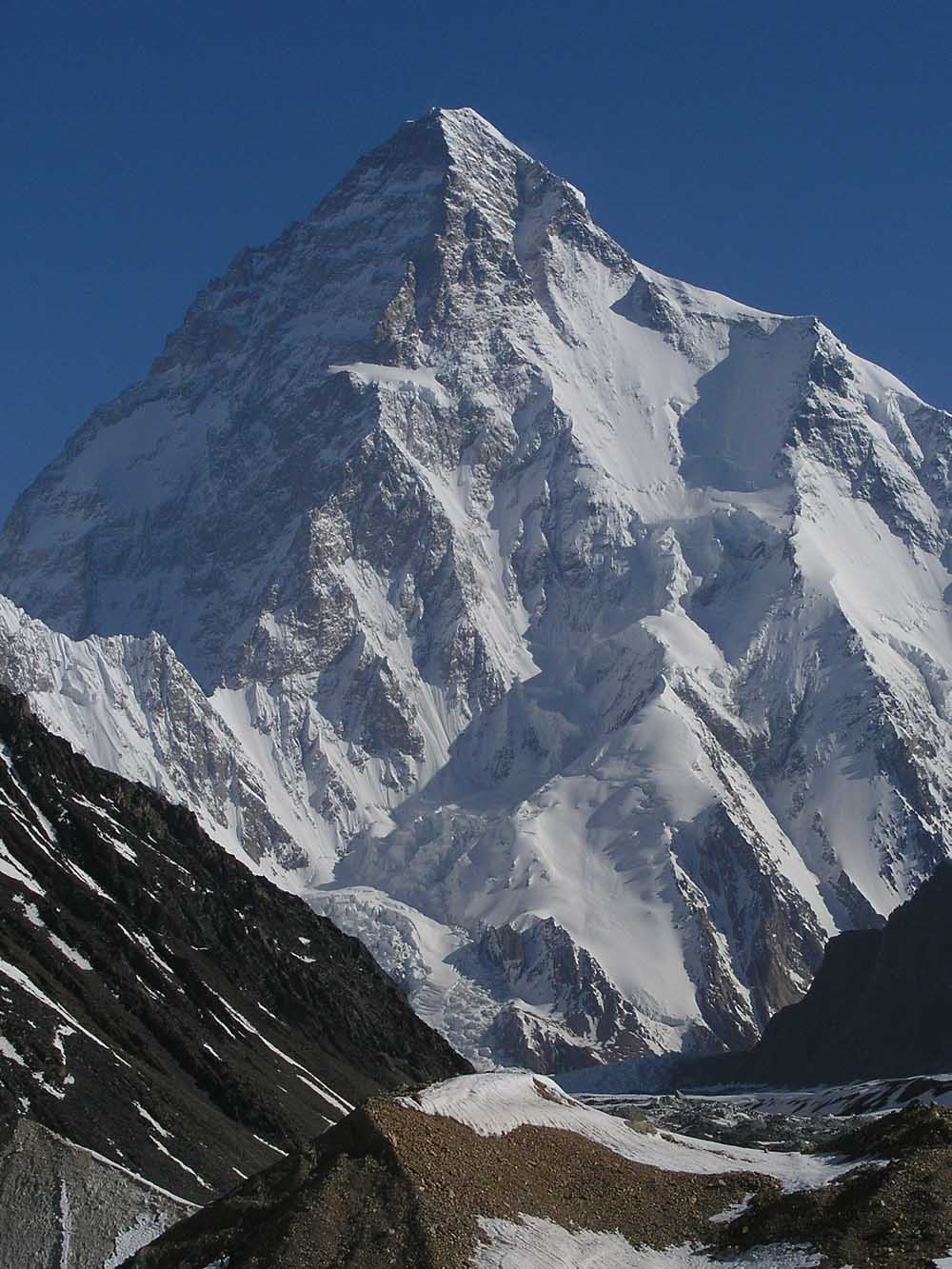
K2 is the second highest mountain in the world behind Everest, but is considered to be a much more difficult summit. Between 25 and 30 percent of the climbers who attempted K2 have died.

         One of the lures for me is to see K2, the world’s second highest mountain and the world’s most difficult mountain. One in four people who attempt to summit K2 dies. While more than 4,000 people have summited Mount Everest, only 306 have successfully summited K2. Some years, no one summits K2. To stand in the shadow of a merciless mountain would be awe-inspiring.

The cities

         If you have read Rudyard Kipling’s Kim, then you know of the Zamzama gun he wrote of that guards the city of Lahore. The city has stood for a thousand years and represents the capital of the Punjab region of Pakistan. While it is renowned for its cultural heritage of the north, but it needs to be explored to be found.

         The nation’s capital, Islamabad, is adjacent to the city of Rawalpindi and forms a green oasis by Pakistani standards according to the guide pages. Since it is the seat of government, it tends to be more of a government city.

         The northwest is dominated by the frontier city of Peshawar which is the gateway to the Khyber Pass and Afghanistan. Unfortunately, the famous Khyber Pass remains closed to visitors. The area is under constant surveillance by military and permits are needed which are not given out to tourists.

         To the south in the geographic centre of Pakistan is the city of Multan, often referred to as the city of saints. It is well known for blue pottery, glasswork, and shoes. To the far south on the coast of the Persian Gulf is Karachi the largest city and financial centre of Pakistan.

         Other places that have been recommended are Mohenjo-daro and Taxila, both heritage sites. Mohenjo-daro dates back to 2000 BCE. The Gang

Considerations:

         Just last month (May 2019), Pakistan finally launched its e-visa system for 175 countries including Canada, the US, and the EU. Check their website to see if you are eligible for e-visa and how to apply. Like other Islamic nations, people travelling on an Israeli passport will be denied entry. But, if you have another passport and have a Israeli immigration stamp will not be problematic.

Getting in:

         British Airways is the only Western Airline that offers flights to the capital city of Islamabad three times a week.

         Pakistan International Airlines is the national flag carrier with flights from Toronto, the UK Milan, and Paris. Otherwise, the major Middle Eastern carriers (Qatar, Emirates, and Etihad), Oman Air, Saudia, and Turkish Airlines will be your best bet with flights to all major airports in Pakistan from major western airports.

Potential itineraries 1 hike to Concordia Glacier and K2 base camp

  • Day 1: Arrive in Islamabad
  • Day 2: Travel flight (weather permitting) to Skardu.
  • Day 3: Drive to Askolie
  • Day 4: Askolie to Korofong trek (6 to 8 hours)
  • Day 5: Korofong to Bardumal trek (8 hours)
  • Day 6: Paiyu trek (6 hours). First views of Baltoro Glacier and Trango Tower
  • Day 7: Paiyu rest day
  • Day 8: Paiyu to Khoburse (6 to 8 hours)
  • Day 9: Khoburse to Urdukas (4 hour trek)
  • Day 10: Urdukas to Goro (8 hour trek). On to the Baltoro Glacier
  • Day 11: Enter the Throne Room of the Mountain Gods at Concordia. K2 on the left.
  • Day 12: Rest day at Concordia to sit in the shadow of K2 in awe.
  • Day 13: Return to Goro camp site
  • Day 14: Urdukas
  • Day 15: Paiyu
  • Day 16: Julla
  • Day 17: Korofong
  • Day 18: Askolie
  • Day 19: Skardu (first hotel since Day 2)
  • Day 20: Return to Islamabad
  • Day 21: Cushion day/Leave Pakistan

         As for a proposed itinerary of the major centres of Pakistan, I’m open to suggestions from my Pakistani friends about where I should visit on a 21-day tour.

The Bucket List: 5 ‘Stans’ of Central Asia transports you back to days of yore on Silk Road

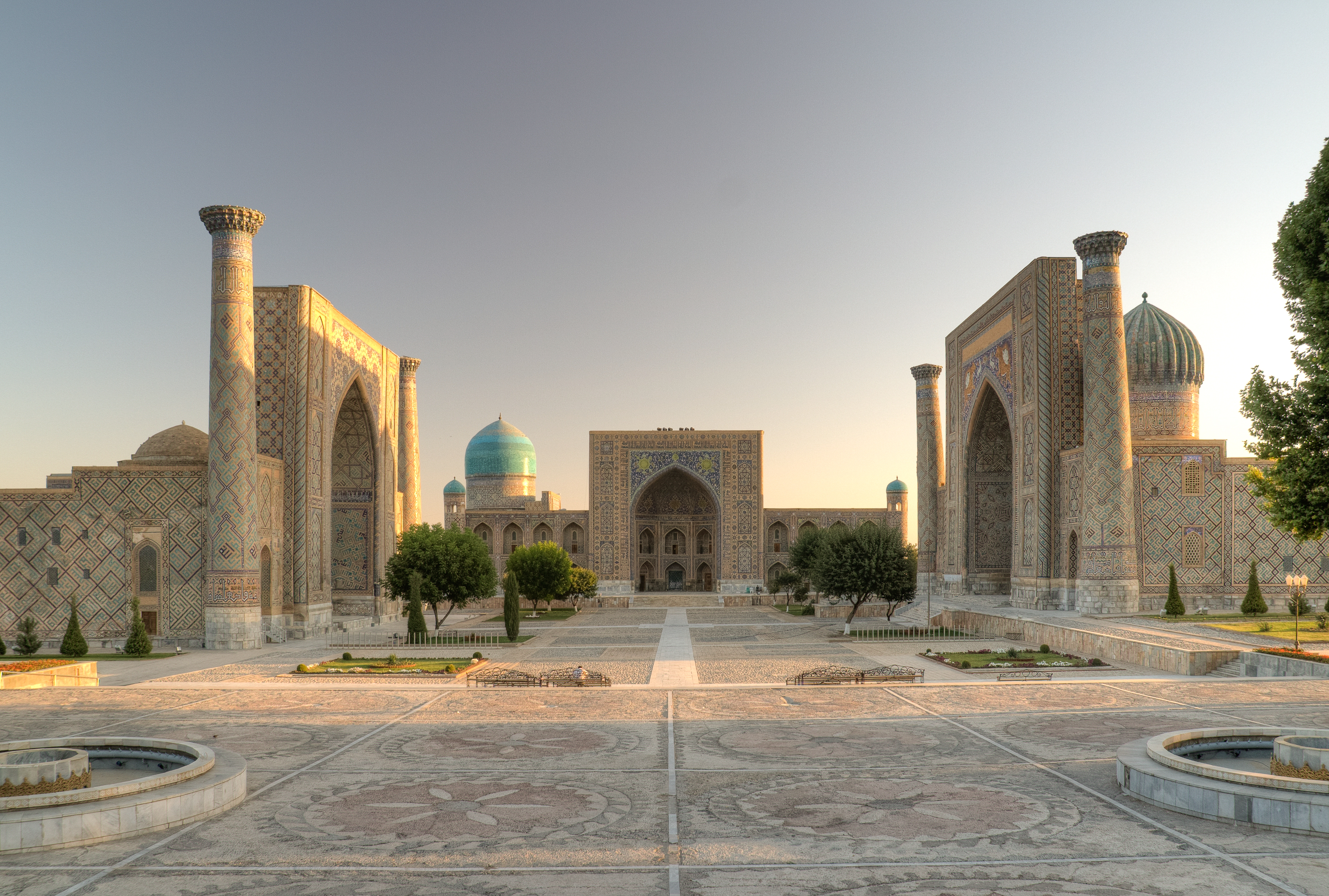
The Registan in Samarkand is home to some of the most ornately decorated mosques and maddrahs. Samarkand was an important outpost on the Silk Road.

            We’ve all got bucket lists. There are things we want to do before we die. In this blog series, I will outline my travel bucket list. I know. I’ve travelled a lot and yes there are places I want to see.

            I will start with 5 “Stans” of Central Asia.

            For thousands of years, traders from Asia to Europe have used the Silk Road to practise commerce. The Silk Road gets it name from the lucrative silk trade that existed as far back as the Han Dynasty (207 BCE to 220 CE). During this period, the Han Dynasty extended the trade route into Central Asia. Eventually, as various empires rose, the Silk Road extended gradually and ends in Turkey.

            My bucket list trip would be the portion of the Silk Road that covers the five ‘Stans’ — Turkmenistan, Uzbekistan, Tajikistan, Kyrgyzstan, and Kazakhstan.

            Steeped in tradition and old world charm, this area of the world takes you back through the centuries and millennia to a simpler time.

            Planning for this trip is in the very early stages with no set date in mind. Hopefully, I will do it in the next one or two years.

            One of the early obstacles I have seen is the fact that Turkmenistan refuses to make things easy, opting to make visa processes a bureaucratic nightmare with Soviet-era policies.

            It is one of the few remaining places where you need a letter of invitation which takes up to three weeks to acquire and then you can apply for the visa which takes another three weeks.

            Fortunately, the rest of the countries have recognised that tourism is a viable industry and either have waived visas for most western nations or require an e-visa (Tajikistan).

            A trip of this magnitude would require about three weeks to see the great sights along the way.

            The part to which I look forward the most would be Buhkara and Samarkand in Uzbekistan. The road between the two has been immortalised in James Elroy Flecker’s 1913 poem.

            Samarkand is renowned for its Registan Square with ornately decorated mosques and madrassahs.

            In Turkmenistan, there is the ancient ruins of Merv, a UNESCO world heritage sight and oasis on the Silk Road. Some of the Bronze Age areas of the oasis date back to 2500 to 1500 BCE. The city was sacked by the Mongols (1370 to 1405 and eventually became part of Tamerlane’s Uzbek empire.

            Branching out into Tajikistan and Kyrgyzstan leads to the rugged beauty and wilderness that formed one of the most desolate parts of the Silk Road. To this day, these areas are still a challenge for truck drivers as they use modern means to move goods.

Potential itinerary

  • Day 1: Arrive in Ashgabat, Turkmenistan
  • Day 2: Ashagabat sightseeing
  • Day 3: Day trip to Mary and Merv
  • Day 4: Travel by road on to Khiva, Uzbekistan
  • Day 5: Khiva-Urgench sightseeing
  • Day 6: Travel by road to Bukhara
  • Day 7: Bukhara sightseeing
  • Day 8: On the road to Samaritan
  • Day 9: Samarkand-Shakhrisabz sightseeing
  • Day 10: Travel to Tashkent
  • Day 11: Tashkent sightseeing
  • Day 12: Travel by road to Dushanbe, Tajikistan
  • Day 13: Dushanbe sightseeing
  • Day 14: Travel by air to Almaty, Kazakhstan
  • Day 15: Almaty sightseeing
  • Day 16: Travel by road to Bishkek, Kyrgyzstan
  • Day 17: Travel out to Karakul via Issyk Kul
  • Day 18: Return to Bishkek via Cholpon Ata
  • Day 19: Departure from Bishkek

Considerations:

         The easiest way into the region would be either on Turkish Airlines or Lufthansa. Each of the countries have their own airlines, but Turkish and Lufthansa have more worldwide connections that can get you into the region with one stopover in Istanbul, Frankfurt, or Munich.

         You can either do this through a travel agent or on your own. The area is stable enough that self-guided travel is an option. You need to arrange for transfers by road between some of the cities which means hiring taxis or shared rides. Airfares are easy enough to organise within the countries. I probably wouldn’t recommend a group tour because this is an area rich in history and somewhere you want to experience for yourself. Therefore, either self guided travel or a private tour where it is only you and your travel partners would be the best options.

Singapore is a playground for everyone

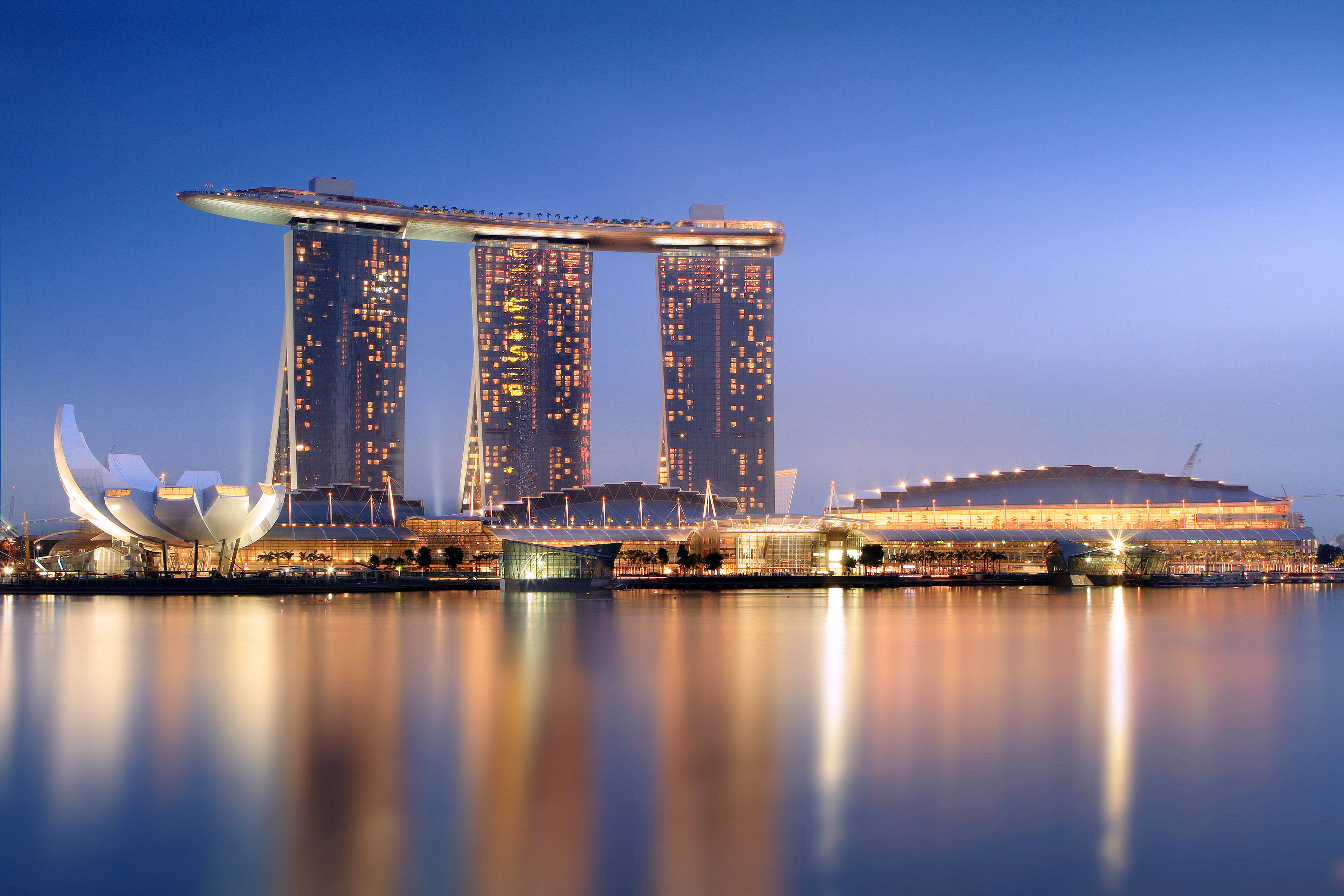
The iconic Marina Bay Sands hotel complex dominates the Singaporean skyline. The complex is a popular tourist destination.

            One of the jewels in the Southeast Asian crown has to be Singapore, the tiny city-state that has been described as Disneyland with the death penalty.

            I had the opportunity to spend a few days in the Lion City in the summer of 2018. Without compare, Singapore is the cleanest country I have ever visited.

            A big part of that cleanliness is due to draconian laws that exist in the country. Heavy fines and sometimes caning with a thick, rattan cane are the punishments for littering, jay-walking, spitting, or drinking or eating on public transport.

            The result has been an immaculate country where you probably could eat from the ground.

            Chewing gum is banned except for medical purposes (nicotine gum) and other than a pack of cigarettes you aren’t allowed to bring in duty frees.

            Although enforcement tends to be lax, the lore of Singapore law is enough to ensure conformity especially among tourists who have heard of the country’s reputation.

Getting in:

            There are three ways into Singapore: by air at Changi Airport, by land at the Malaysian border, or by sea on a cruise ship. The vast majority tend to fly into Singapore.

            In addition to having the world’s best airline, Singapore Airlines, Singapore also boasts the world’s best airport. For the past twenty-plus years, both the airline and airport have topped or nearly topped best airline and airport lists.

            It is very easy to navigate through Changi and be landside in minutes. When I went last year, my flight arrived at about 10 p.m. and I was landside and in a taxi by 10:15 p.m. But it is all about timing. The other time I transited through Changi, it took about an hour to just get through passport control which was mid-afternoon.

Getting around:

            Singapore has a comprehensive bus and tube system to get you around quickly. You really appreciate how small Singapore the nation is by the fact that you can take the tube to the Malaysian border.

            There are several lines to move you around the city which can be a relief with the air conditioning because Singapore is always very hot (30 to 35C).

            You can pick up a visitor ticket that lasts for a few days at most major stations and simply tap in and out as you navigate the area.

Hotel:

            You can find bargains or spend a fortune on hotels in Singapore. For example, the quintessential Singaporean hotel is the Raffles Singapore which is the home of the Singapore sling. A room for a night will cost more than £500 a night. The iconic Marina Bay Sands (pictured above) charges more than £300 a night. When I stayed in Singapore, I stayed at the Naumi Hotel which is about £150 per night for a room in a five-star boutique hotel located in the shadow of the Raffles.

            Accommodations tend to range in price depending on the area of Singapore you are staying.

Food:

            Food prices in Singapore can be a big bargain or a bank-breaker. I would highly recommend eating at Hawker Stands located throughout the city.

            Hawker food is street food but you don’t need to fear stomach bugs as you would with street food in other parts of Asia because Singapore has even higher health standards for food vendors that Europe or North America.

            Hawker stands are set up to look like food courts and are found in Chinatown, Little India, and the Malay Quarter. Laksa, Chili crab, and satay are the national dishes of Singapore and found anywhere food is served.

            One recommendation I make is to get to Hawker Chan at the Chinatown Hawker complex. It is the world’s cheapest Michelin-starred meal. Hawker Chan sells soy chicken and rice. It is a simple dish but excellent. You can get this one-star Michelin dish for about £2.50. Hawker Chan is easy to find. Head to the Hawker stand in Chinatown and look for the long line. When I went, I got there at about 11:30 a.m. and there were probably about 15 people ahead of me, but a few minutes later, there were about 100 people behind me. So get there early.

Safety:

            Next to Japan and Iceland, Singapore is one of the safest places I have ever visited. Not once did I need to worry about suspicious looking people or potential pickpockets.

Bring a light cardigan:

            As I said, it is 30 to 35C everyday in Singapore, but you need to have a cardigan or light jacket handy every time you go indoors.

            That is because most buildings set their air conditioning about about 20C so it feels like you have entered a fridge every time you go indoors.

Things to do:

            For years, Singapore was only a business centre, but now the country is diversifying into tourism thanks to the additions of the Esplanade and the Marina Bay projects. The areas are centres for tourism.

            Even if you cannot afford to stay in the Marina Bay Sands hotel, the site has many attractions open to the public. The most iconic is the 191-metre infinite pool that sit atop the three towers like a surf board. It also houses the Formula One race circuit, a casino, shops, restaurants, and a canal complete with gondola rides similar to The Venetian complex in Las Vegas.

            Singapore is also a mecca for shopping with several shopping malls with everything from affordable brands like H&M to luxury items from Louis Vuitton, so it has something for everyone.

The world’s best airport

            Changi International is a mainstay at the top of best airports in the world surveys. If you have a long layover, Changi is one of the best places to stay. In addition to the usual hotels, lounges and shops in most airports, Changi also has two cinemas that show movies for free, a tropical garden, and an aquarium.

            The new Terminal 4 building is the most technologically advanced airport terminal in the world. Other than security, it is possible to get from landside to the plane without having to interact with staff. You can go to a check in kiosk, scan your passport, and receive your boarding pass and luggage tags. After you affix your tags, you take your bags to an automated counter where you place it on the scale/conveyor belt and it moves on to the luggage area. If you had your biometric data recorded on entry (and you would have unless you are a child), then you go to the automated passport control and follow the directions to clear immigration. You will interact with staff at security as that part is still operated with a human presence. When you flight is called, you can use the biometric gates to scan your boarding pass and the machine takes your retina scan and clears you to board your flight.

            Singapore is probably my favourite city in the world to visit because it is safe, clean, and has a variety of options that meet all budgets. You won’t want to spend more than a few days in Singapore as it is an expensive country and you can see the main sights within two to three days. Singapore is a good add-on to any holiday that takes you to Southeast Asia.

Business class travel: How to get through the curtain

Cathay Pacific’s reverse herringbone design in its business class offers you excellent privacy as you fly their ultra long-haul routes.

            Air traffic is no longer the glamourous experience it once was. Post-9/11 travel means invasive searches, long lines at security, and removing various articles of clothing.

            After that, you wander aimless for a couple of hours around an airport terminal looking at “duty free” items that seem to be more expensive than the high street or you buy a bottle of soft drink for the price of a six-pack.

            You then bundle onto a plane and are crammed in like sardines with people who recline the seat to within inches of your face or next to someone who has never heard of deodorant or a shower.

            So if it is like this, is it worth investing in business class?

            That means dedicated, shorter check in lines, exclusive lanes and areas in the security area, and a lounge far from the maddening crowd often with “complimentary” food and drink. I saw complimentary in quotes because it isn’t free. You paid for it when you paid at least five times the economy rate for your ticket.

            Yes, the drawback of business class is it is very expensive, often in the several thousands of pounds. But there are ways around that.

Points systems

            Loyalty has its perks. Belonging to an airline alliance means accumulating points that can be used towards a free flight or a deeply discounted one.

            There are three main alliances: Star Alliance, One World, and Skyteam.

            Oddly, two of the worlds biggest airlines — Emirates and Etihad — do not belong to any alliance, but you can accrue points for Qantas because the Australian carrier has a codeshare agreement with Emirates.

            Every time you fly, you collect points proportionate to the distance travelled. However, accrual is based on the level of your ticket. The cheapest prices usually mean fewer perks including sometimes lower accrual. For example, some airlines will only allow you to accumulate 50 to 75 percent of the actual number of points on a non-flexible sale fare. The more you pay for a ticket, the more points you get. A business class ticket accrues at a rate of 150 percent for the lowest ticket and sometimes 200 percent for the full fare.

            When you collect points, you accrue two types of points: usable points and tier points. When you’re waiting to board a flight, you may hear the ticketing agent talk about “Oneworld Emerald”, “Star Alliance Gold”, “Skyteam Elite Plus”. These are the highest tiers in the alliances. The more points you accrue the more tier points you get. When you reach certain levels, you move up to the next tier level. Being at the highest tier level gives you perks such as free access to lounges and free upgrades. So if someone tells you they got a free upgrade to business, the most likely reason is because they belong to a high tier in an airline alliance programme.

            But since most of us don’t fly more than a few times a year, it is difficult to accumulate points. This is why the major alliances partner with credit card companies to offer you the chance to accumulate points faster. Let’s take a look at the American Express British Airways Express Platinum Plus card as an example of points accrual.

            New card members will earn 25,000 BA points if they spent £3,000 in the first three months of membership. For every £1 spent on the card above and beyond that, you accrue 1.5 point. When you purchase travel with British Airways, you also get 3 points for every £1 you spend.

            Remember, points are use to offset the cost of the flight and not the taxes. You still have to pay the taxes. So, let us say you spent £3,000 in the first three months of card usage. Your 25,000 makes you eligible for a free economy flight in the peak season from London to Vancouver. You just have to pay £239.12 for the taxes. So basically, you can fly roundtrip from London to Vancouver for £239.12. No charter airline offers that.

            Looking again at the most expensive time of travel, you would need 75,000 for a business class flight to Vancouver from London and pay just £418.62 for the taxes. But you can get a business class flight on this route for as low as 37,500 points plus £1,113.62.

            Yes, £1,113.62 is a lot of money but when you consider that you are accumulating points as you go about your daily life, it isn’t that bad because a business class flight from London to Vancouver at the height of peak season will cost £3623.52.

Ask because you never know

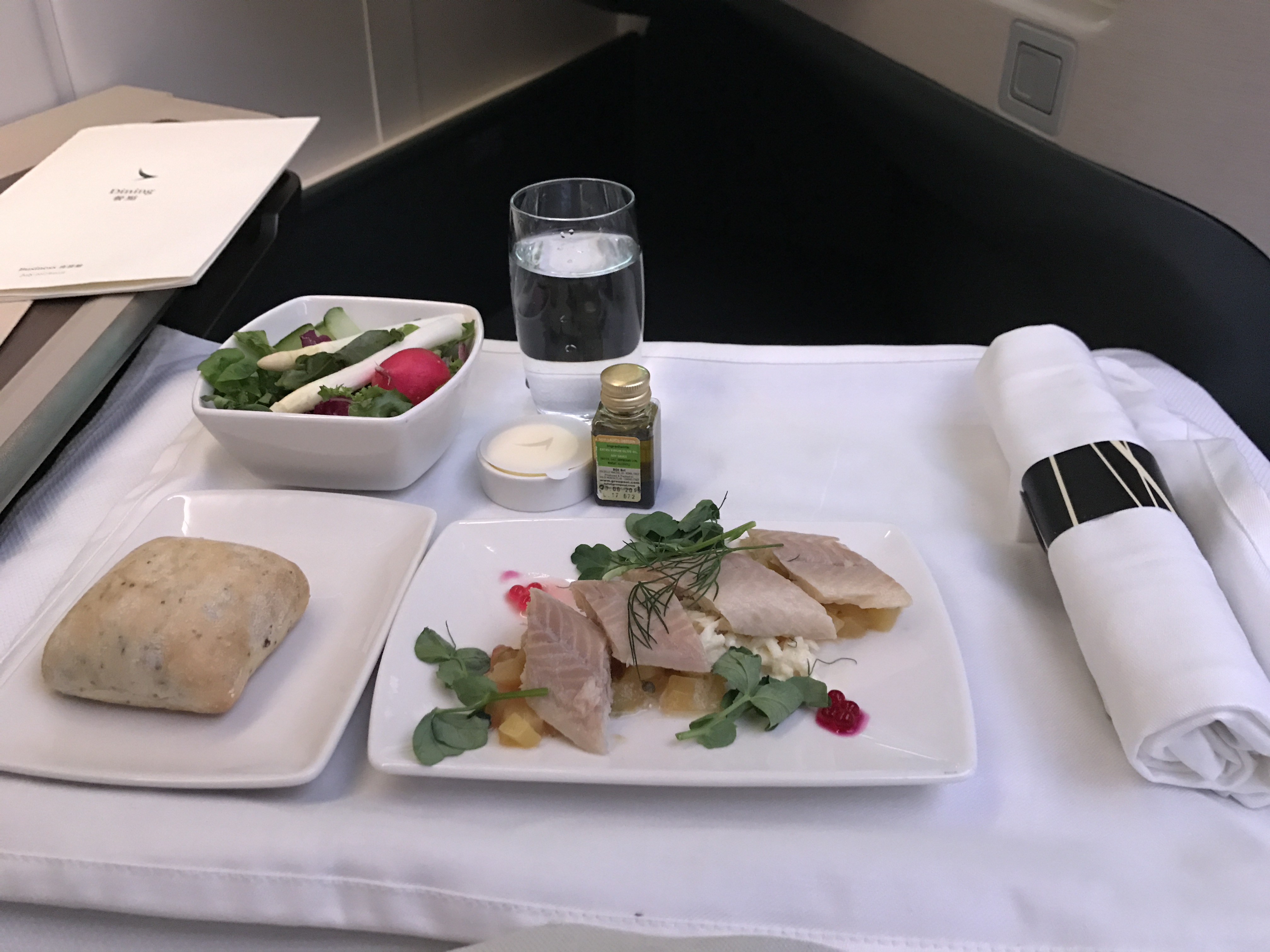
Table service is one of the perks of flying business class.

            It also doesn’t hurt to ask at check in if there are any upgrades available. Sometimes you might happen upon a bargain.

            When I was moving from Canada to the UK, I called KLM a few days before my flight to see if they anticipated any deals on upgrades. The reason I did this was because I knew KLM is a very popular airline on the Toronto to Amsterdam route because it offers a lot of connecting flights into Africa and is popular with Africans returning home for holidays.

            I was told there could be a deal and to check at the airport. Even before check in opened, I went to the ticket counter and asked and was told I could upgrade my Toronto to Amsterdam flight only for $250 (less than £150). But it doesn’t always work. I was once flying from Toronto to London and was told the upgrade would cost $750.

            The reason you can get a deal is because airlines overbook economy. They sell more tickets than capacity because they know there are no-shows or cancellations. If they know that they will be overbooked they begin to offer deals and discounts to get people to move to other flights or to move into business class.

Regional flights

            This one tends to work well in certain circumstances. Do not use this to fly a short haul flight in North America or Europe unless the airline has a new plane it is putting through its paces.

            Regional business class tends to be narrow jets with a tray covering the middle seats to give you the illusion you have more room. The seat dimensions are the same as economy and you may get a hot meal. That’s it.

            However, if an airline takes delivery of a new wide-bodied aircraft, then you can experience luxury for a low price. For example, in the late 2000s, Air France took deliver of its first superjumbo Airbus A380. Before it was deployed on international long-haul routes, it was put through its paces and used to train staff on a Paris to London route. Prices were the same as the normal smaller planes so you could have experienced business class in a brand new airplane for £300.

            But it is different in Asia where many airliners use only wide-bodied jets. Cathay Pacific, Thai Airways, and Singapore Airlines only flight planes with two aisles inside. So, if you fly within the region, you will fly on an older plane but one with an authentic business class product. Again, you would expect to pay about £300 for the privilege.

Fifth freedom flights

            Fifth freedom refers to an airline being allowed to sell tickets for flights between two other countries.

            Emirates, for example, has a flight that goes Dubai-Bangkok-Hong Kong, Hong Kong-Bangkok-Dubai. Because Emirates is based in Dubai it has fifth freedom to sell seats on the Bangkok-Hong Kong sectors.

            These are usually sold at regional rates because these represent bonus income for the airline. So, for £300 you can enjoy a 3.5-hour business class flight on an Emirates Airbus A380.

            So, unless you have deep pockets and lots of disposable income, business class flying is probably out of your reach, but there are ways you can take advantage of offers that will allow you to experience the joys of business class travelling.

            Just remember one thing: Once you try business class, it is very hard to go back to economy.