
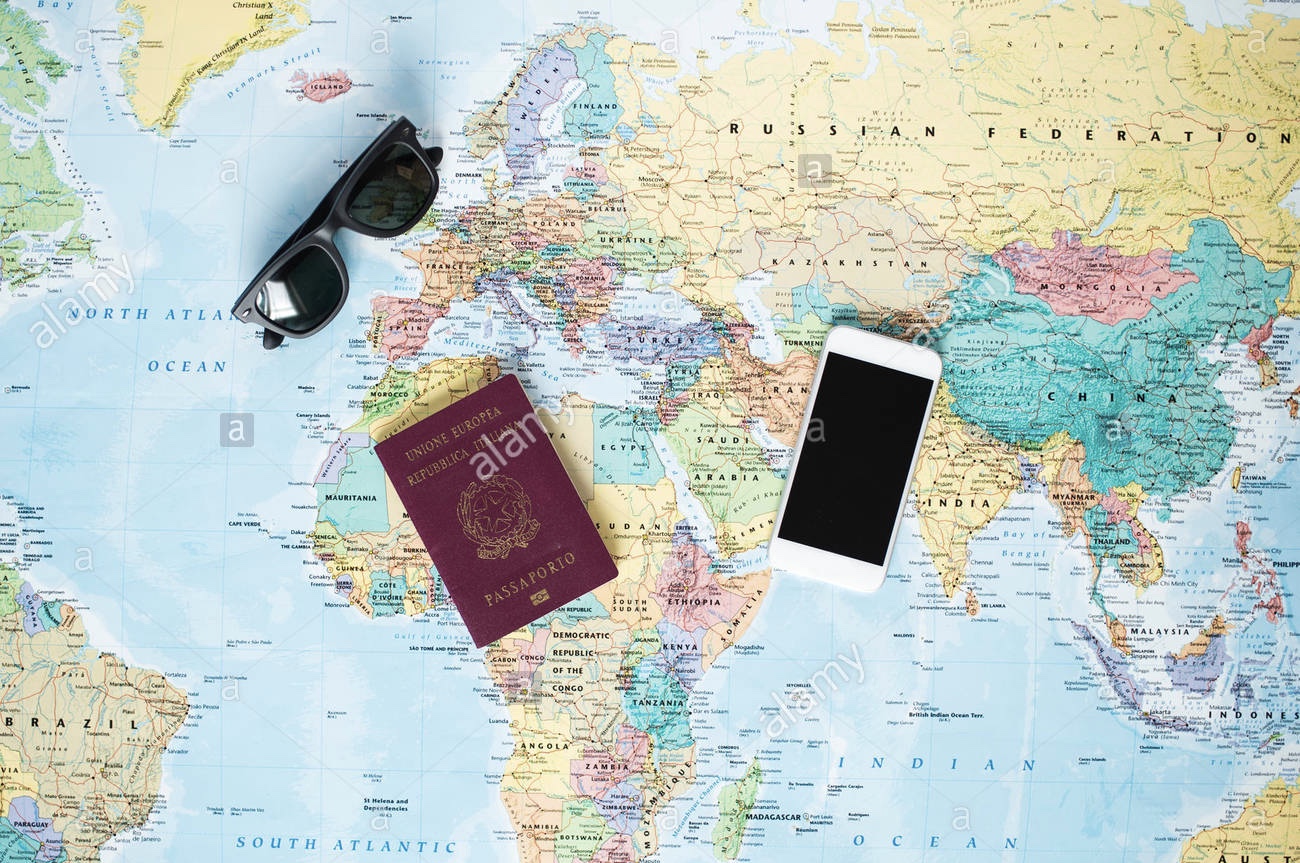
Technology has become an integral part of our lives to the extent that some of us feel extremely inconvenienced if the wifi is out of order or the mobile data system is disconnected for repairs.
We rely heavily on our gadgets when we go on holiday as aids to help us navigate unfamiliar surroundings, find off-beat places to see, or to find restaurants that come highly recommended.
In this post, I will explore five must-have items you need for your travel:
- Gadgets: If nothing else, your mobile phone can act as your multimedia device as a GPS system, internet, and entertainment. Any of the known brands of mobile phones is fine. There aren’t too many advantages of using, for example an iPhone, over a Huawei. An iPad is also a good device to have. If the airplane charges you for entertainment (as is the case on some regional airlines) or there is nothing you really want to see, an iPad is handy because you can download your content and watch anywhere you are.
- Portable charger: Have you ever noticed that you never have enough battery power? On my first trip to Japan, I did a day trip to Hiroshima. I got back to Shinagawa Station and took the wrong exit and realised I needed to go back to the station and go to the other side of the station. I also noticed I had 1 percent battery left. Now, I pack a Poweradd Pilot X7 20,000 milliamp Hour battery pack. It has two USB ports so I can charge my phone and modem at all times. Word of warning, airlines do not allow external chargers on the plane that are more than 20,000 milliamp Hour power. I found that charging an iPhone X from 50 percent to full takes about an hour if I am not using the device.
- Travel wifi hotspot: I have written about these on many occasions. If you don’t have an unlocked phone which can accommodate a new sim card, then a modem is for you. All airports I have flown into have kiosks set up to sell you sim and modem data plans for the duration of your trip. These are worth it for European travellers in Asia because most European providers allow for local service in other parts of Europe. For example, O2 users can use their phone as normal in most European countries.
- Electronic accessories case: Our devices come with chargers and cords. Sometimes we use earphones, we have other devices or external storage units such as USBs or hard drive. A case allows you to put everything into one bag that you can put in your carry-on bag so you aren’t rummaging around your bag for a cord or a USB stick.
- Headphones: Unless you’re sitting in first or business class, the quality of headphones in economy is substandard at best. A set of noise cancelling headphones can make your journey a little more bearable by creating an oasis for you where you can shut out the world around you. The key manufacturers include: Bose, Dr Dre, Sony, Harmon Kardon, Bang & Olafussen, and Bowers & Wilkins. All of these companies make some excellent noise cancelling headphones. The most important quality you want from a set of headphones is comfort. You don’t want those things hurting your ears halfway through an eight-hour flight. I have a pair of Bowers & Wilkins PX Noise Cancellation headphones. A pro tip is to buy your headphones at the airport. An app can be downloaded that allows you to use presets for the noise cancelling feature. When I was shopping for mine, the cheapest price I saw was £350. I had the brainwave to check the price at Dixons at Manchester Airport. The price there was £270. Dixons at Manchester Airport allows you to click collect shop. You can choose what you want, have it set aside, and pay for it when you are at the airport.
 Taking the road best travelled