
About a 90-minute journey by air from Kolkata, we come to the city of Lucknow, capital of Uttar Pradesh and the home of the Awadh culture.
Lucknow is the northern Islamic city in India which has a rich culture and a deep history. The art, cuisine, dance, and music of North India can trace its roots to the Awadhi culture. It was the site of the 1857 First War of Independence from the British. The Lucknow Residency, which housed the British Raj in the city, still bears evidence of that first battle with pock-marked buildings where cannon fire hit the walls.
Getting in
From air, you can arrive in Lucknow at Chaudhry Charan Singh Airport with flights from Kolkata, Mumbai, Delhi, and other major Indian cities. Flydubai (Dubai), Oman Air (Muscat), Saudia (Jeddah, Riyadh), and Thai (Bangkok) fly to international destinations.
By rail, Lucknow Train Station is an important one with trains from the capital through to the northeast. Allahabad, the location of the Kumbh Mela the largest gathering of people on the earth, lies on this train line.
Sightseeing
The Awahdi culture gives way to many significant Islamic sites in Lucknow. Key is Bara Imambara complex which is an impressive tribute to Mughal architecture that was built in the late 1700s. The complex includes the Chhota Imambara, a mausoleum built for the third Nawab of Awadh in 1837. Foreigners must pay 500 rupees (£6) to enter the complex.
La Martineriere College is a boarding school with a rich history. The boys school started in 1845 while the girls school opened in 1865. La Martiniere is the only school in the world to have been awarded battle honours for its part in the defence of Lucknow during the war in 1857. While you cannot really go into the school, you can walk the school grounds and the outside hallways which go by the classrooms The children are well disciplined and will stop to greet you as you walk by their classrooms.
Gomti Riverfront Park is another nice place to go for a wander near Gomti Nagar. Concerts are held in the park some evenings. This is a great place to see some spectacular sunsets.
Where to stay
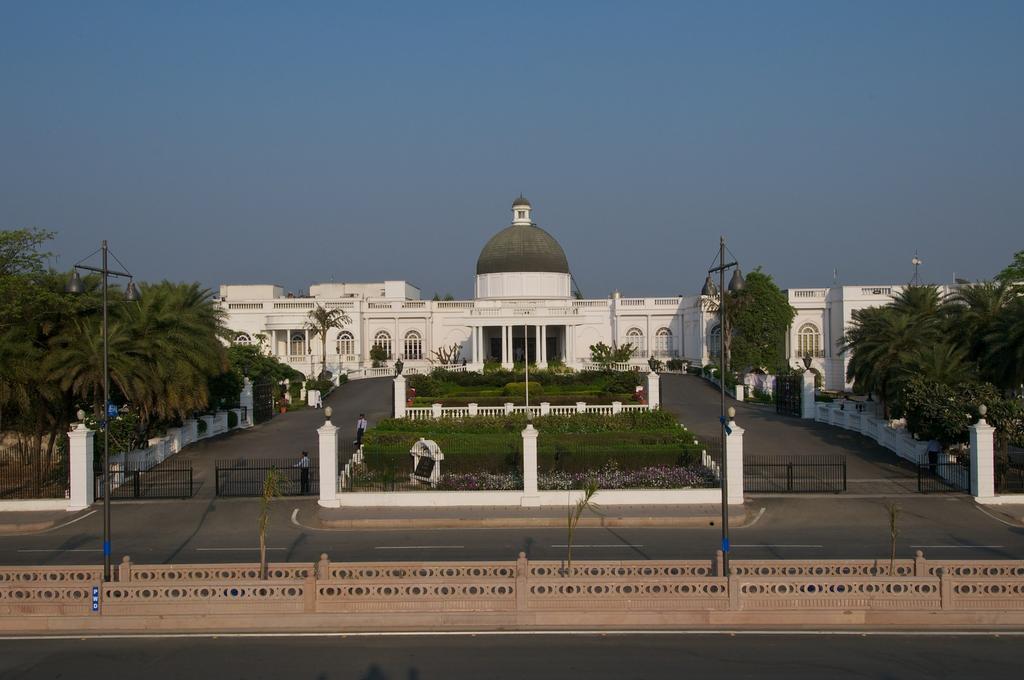
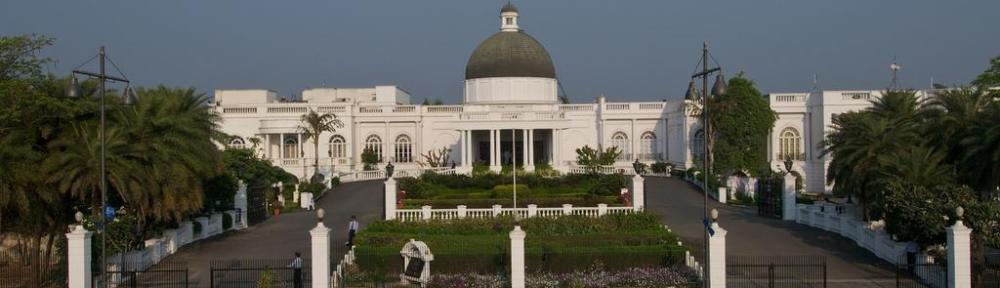
On this trip, we stayed at the Taj Mahal Lucknow which is a colonial building on 10 hectares of land with a domed tower over the reception area. The in the offseason and shoulder season, a two-night stay costs about £180 and £300 in the high season. The Taj Mahal has two restaurants with the Oudhyana serving traditional Awadhi cuisine which has four dining options: a la carte menu, Awadh Dastarkhawanse which is a selection of small plates, Ganga-Jamuni Zayeka which is mixture of contemporary and traditional tastes, and the put your hands in the hands of the chef where you leave it to the chef to create your dining experience based on the ingredients in the kitchen and what is at its freshest.
One of the things you will find is that you tend to eat many of your meals at your hotel. If you stay at a five-star or four-star hotel, these are most likely where the best restaurants in town will be found. Prices in these restaurants tend to be slightly cheaper than Indian cuisine in your home country but vastly more expensive that in India. Chances are you tour guide will take you to a tourist-oriented restaurant for lunch where prices are much lower but it is still a somewhat sanitised experience as you are eating in a restaurant filled with other tourists. The reason is that your tour guide wants you to spend your time seeing the country rather than doing a toilet tour of India. The one time you do get a more authentic experience is on the roads when you stop at truck stops or roadside restaurants where it is the locals who dominate the landscape.
Safety:
Lucknow is a very safe country and you will be unlikely to encounter problems. The usual warnings do exist such as being aware of your surroundings.
 Taking the road best travelled