We’ve all got bucket lists. There are things we want to do before we die. In this blog series, I will outline my travel bucket list. I know. I’ve travelled a lot and yes there are places I want to see.
I will start with 5 “Stans” of Central Asia.
For thousands of years, traders from Asia to Europe have used the Silk Road to practise commerce. The Silk Road gets it name from the lucrative silk trade that existed as far back as the Han Dynasty (207 BCE to 220 CE). During this period, the Han Dynasty extended the trade route into Central Asia. Eventually, as various empires rose, the Silk Road extended gradually and ends in Turkey.
My bucket list trip would be the portion of the Silk Road that covers the five ‘Stans’ — Turkmenistan, Uzbekistan, Tajikistan, Kyrgyzstan, and Kazakhstan.
Steeped in tradition and old world charm, this area of the world takes you back through the centuries and millennia to a simpler time.
Planning for this trip is in the very early stages with no set date in mind. Hopefully, I will do it in the next one or two years.
One of the early obstacles I have seen is the fact that Turkmenistan refuses to make things easy, opting to make visa processes a bureaucratic nightmare with Soviet-era policies.
It is one of the few remaining places where you need a letter of invitation which takes up to three weeks to acquire and then you can apply for the visa which takes another three weeks.
Fortunately, the rest of the countries have recognised that tourism is a viable industry and either have waived visas for most western nations or require an e-visa (Tajikistan).
A trip of this magnitude would require about three weeks to see the great sights along the way.
The part to which I look forward the most would be Buhkara and Samarkand in Uzbekistan. The road between the two has been immortalised in James Elroy Flecker’s 1913 poem.
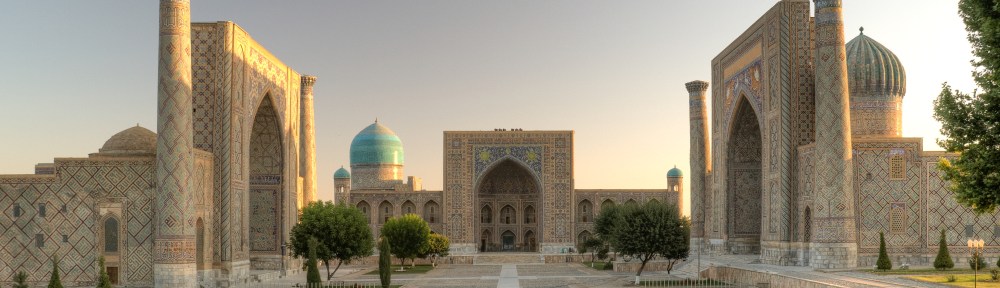
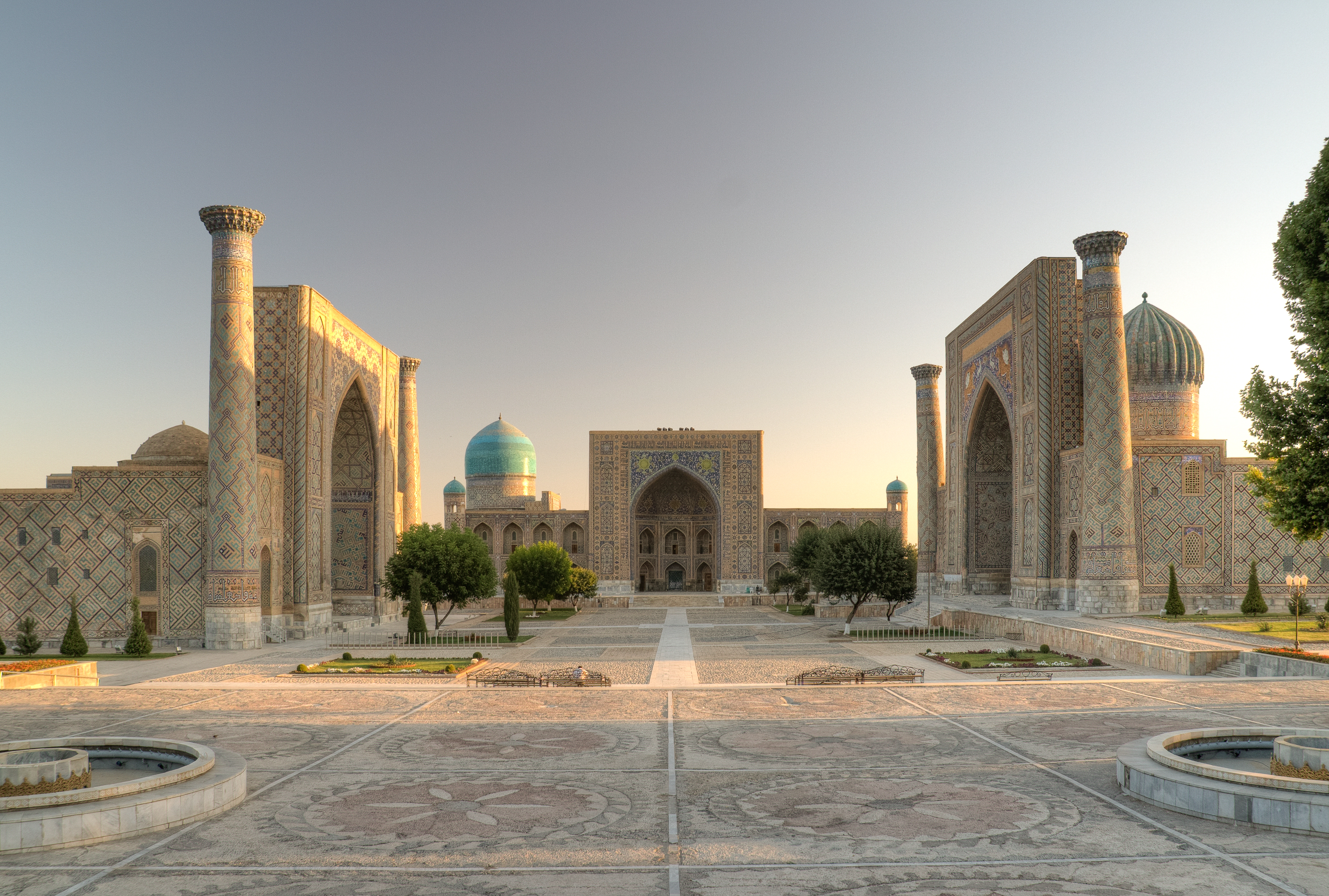
Samarkand is renowned for its Registan Square with ornately decorated mosques and madrassahs.
In Turkmenistan, there is the ancient ruins of Merv, a UNESCO world heritage sight and oasis on the Silk Road. Some of the Bronze Age areas of the oasis date back to 2500 to 1500 BCE. The city was sacked by the Mongols (1370 to 1405 and eventually became part of Tamerlane’s Uzbek empire.
Branching out into Tajikistan and Kyrgyzstan leads to the rugged beauty and wilderness that formed one of the most desolate parts of the Silk Road. To this day, these areas are still a challenge for truck drivers as they use modern means to move goods.
Potential itinerary
- Day 1: Arrive in Ashgabat, Turkmenistan
- Day 2: Ashagabat sightseeing
- Day 3: Day trip to Mary and Merv
- Day 4: Travel by road on to Khiva, Uzbekistan
- Day 5: Khiva-Urgench sightseeing
- Day 6: Travel by road to Bukhara
- Day 7: Bukhara sightseeing
- Day 8: On the road to Samaritan
- Day 9: Samarkand-Shakhrisabz sightseeing
- Day 10: Travel to Tashkent
- Day 11: Tashkent sightseeing
- Day 12: Travel by road to Dushanbe, Tajikistan
- Day 13: Dushanbe sightseeing
- Day 14: Travel by air to Almaty, Kazakhstan
- Day 15: Almaty sightseeing
- Day 16: Travel by road to Bishkek, Kyrgyzstan
- Day 17: Travel out to Karakul via Issyk Kul
- Day 18: Return to Bishkek via Cholpon Ata
- Day 19: Departure from Bishkek
Considerations:
The easiest way into the region would be either on Turkish Airlines or Lufthansa. Each of the countries have their own airlines, but Turkish and Lufthansa have more worldwide connections that can get you into the region with one stopover in Istanbul, Frankfurt, or Munich.
You can either do this through a travel agent or on your own. The area is stable enough that self-guided travel is an option. You need to arrange for transfers by road between some of the cities which means hiring taxis or shared rides. Airfares are easy enough to organise within the countries. I probably wouldn’t recommend a group tour because this is an area rich in history and somewhere you want to experience for yourself. Therefore, either self guided travel or a private tour where it is only you and your travel partners would be the best options.
 Taking the road best travelled