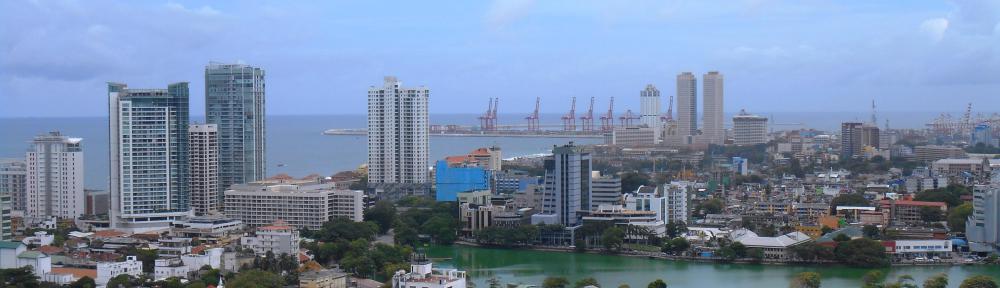
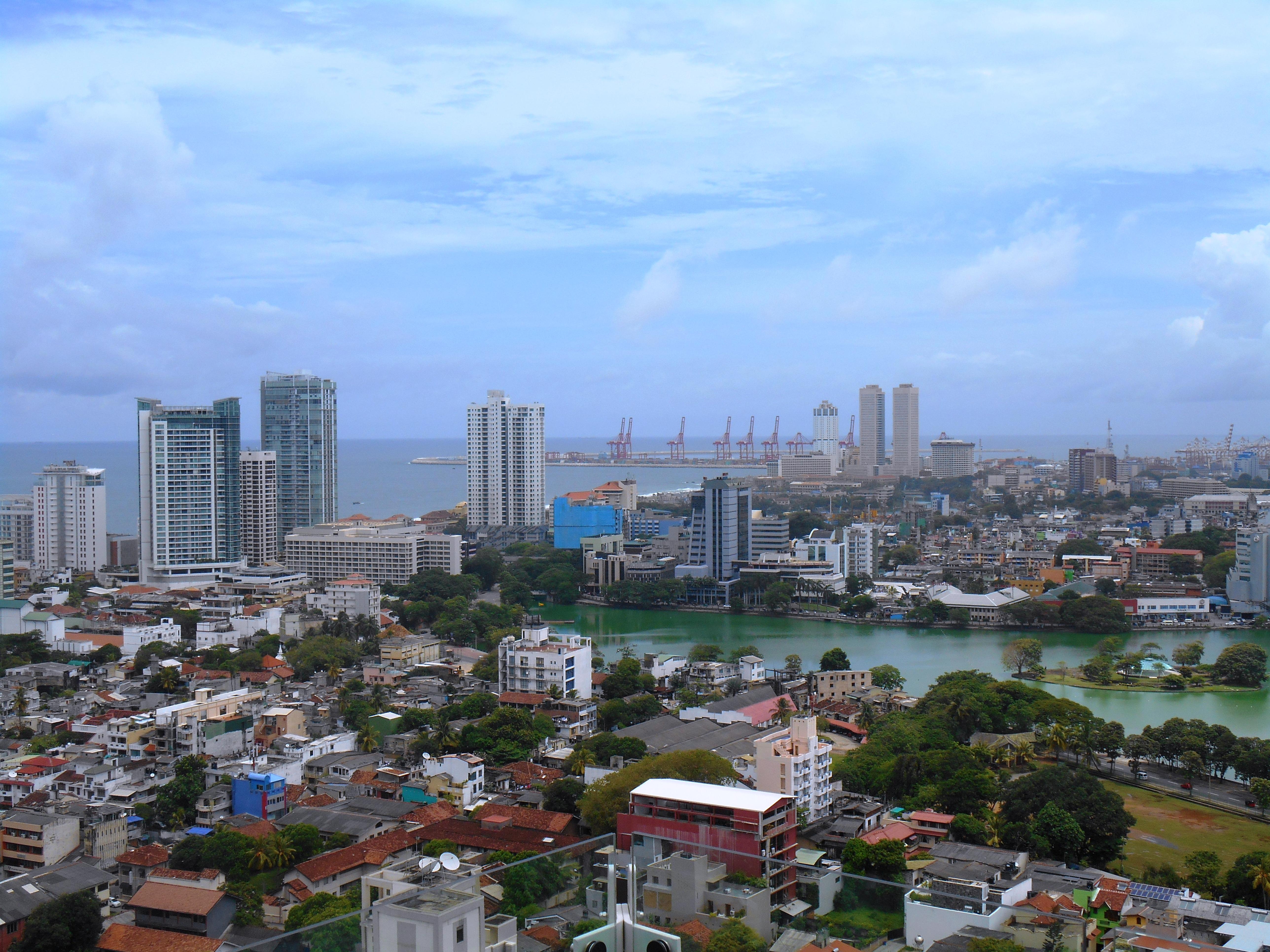
This post is a request from a friend who wanted some tips on Colombo, Sri Lanka.
For a long time, Sri Lanka was a no-go zone due to a civil war between the Tamil Tigers and the Sinhalese government. But that all changed a decade ago and people have flooded into the country to visit this lush country.
Sadly, people have shied away again after the terror attack of Easter Weekend 2019 when terrorists bombed several Christian churches and five-star hotels. But people are beginning to go back.
There is a great movement in Colombo to fix the infrastructure and make the country a jewel similar to what has gone on in Dubai and Abu Dhabi.
My trip to Colombo was part of a Singapore to Dubai cruise I took in 2017. We spent a day in the Sri Lankan capital and it is a place I want to visit again for a longer period of time. Maybe I will do that during a cricket tour so I can see more of the country.
Visa requirements for western countries have changed. Now, you need an Electronic Travel Authorisation (ETA) which you can get on the Sri Lankan foreign affairs website. You input your passport data, pay the fee, and it is sent to you almost instantly.
Getting around the city is easy enough on tuk tuks, but be warned, most don’t have a meter so you will have to negotiate and agree to a price before setting off. The alternative is a taxicab. You are advised to choose cars with a sign in the window that says “Meter Taxi”. The going rate for a taxi is 50 Sri Lankan Rupees (£0.22) for the first kilometre and 30 rupees (£0.13) for each additional kilometre plus waiting time. The Sri Lankan Tourist Development Authority also runs a tuk tuk service which is discernable from the normal tuk tuks by the unique paintings on the vehicles. These are metered and more reliable than the private operators.
Similar to Tamil Nadu state in India, the diaspora of Colombo is very diverse and this is evident in the various houses of worship you can see around the city. Christianity, Islam, Hinduism, and Buddhism are well represented in Colombo.
However, due to the fact that the most recent terror attacks were committed by Islamic fundamentalists, there may be some concerns visiting Islamic mosques as there has been evidence of increased hostility towards Muslims in Sri Lanka.
One of the features of Colombo is the ties to its colonial past. Virtually every colonial power since the 15th century has had control of Sri Lanka starting with the Portuguese and ending with the British.
This is evident in the architecture around the city and the abundance of old mansions that will make you think you back in the colonial days.
Like its subcontinent neighbour to the north, Sri Lanka is renowned for its arts and crafts which you can buy to take home as souvenirs.
One thing that is highly recommended to take home with you, and the one thing that brought the Portuguese to its shores, is cinnamon. Sri Lankan cinnamon is a wonder plant that is known to have restorative effects on those who suffer from high blood sugar and a risk of heart disease.
Sri Lankan cuisine is similar to South Indian food. My experiences with Sri Lankan food has been that the very spicy is just that — very spicy. I have always laughed at what western restaurants present when they put three chili peppers next to a menu item. But when there are three chili peppers next to a menu item in a Sri Lankan restaurant, tread with caution.
One of the drawbacks of Sri Lanka, and it is similar to India, Thailand, Cambodia, and Vietnam, is there are a fair share of people who will attempt to scam you. The aforementioned tuk tuk drivers will have an array of scams like attempting to drive off before agreeing to a fare or telling you the hotel/restaurant/tourist attraction you want to visit is closed/burned down/out of business. Be extra cautious of people who suddenly show up and want to help you. They are trying to separate your cash from you. Think of it as you would in your country. People tend to themselves unless asked for help. If someone comes up to help you when you won’t even look like you need help, that is a warning sign.
Here is an anecdote of someone who attempted to scam me in Colombo. When you go on a cruise ship, sometimes the distance from the ship to the first street is quite far and so the cruise company organises shuttle buses. When they get to the street, you get off and go where you want to go. So I wanted to go and walk on the sea wall because when we did the organised tour it looked nice enough. So within minutes of getting off the shuttle bus, this happened:
Random person: Hi. Hi. Where are you from?
Me: Uh, Colombo.
RP: No you’re not. You look like us but you’re not from here.
(after smiling I continue to walk)
RP: Hey you can’t walk there.
Me: Why not? I’m going to sea wall to check it out.
RP: This area is patrolled by the Sri Lankan navy and you aren’t allowed. I have a tuk tuk I can take you
Me: Uh huh. Right.
RP: Sir, stop walking this is dangerous. This area is out of bound because the Sri Lankan navy says it is dangerous because of the civil war in Syria.
Me: Wait. What? The civil war in Syria means I can’t walk here?
RP: Yes sir. I take you by tuk tuk. Very good price. Very good price sir.
Me: Syria? As in Syria that thousands of miles from here?
RP: Yes, sir.
This was the point at which I laughed at him and walked on. If you use common sense and don’t’ look like a tourist and walk with purpose you won’t get hassled too much.
As I said Colombo is a beautiful city and one to which I will return one day.
 Taking the road best travelled